








 Deutsch
  Français
  Italiano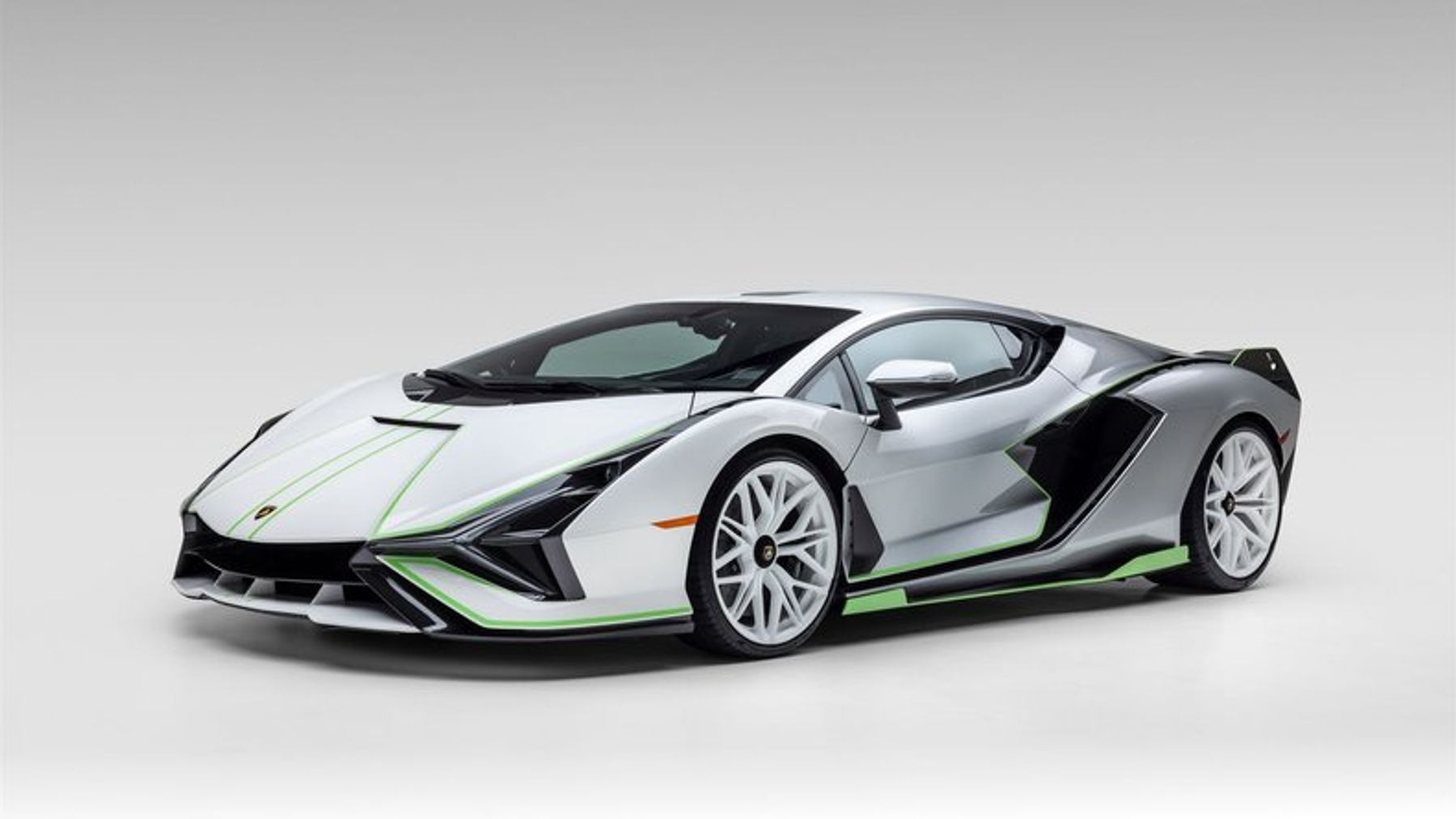
This is the actual 2020 Lamborghini Sián FKP 37 heading to Broad Arrow's Quail Auction on 14 August 2026. Chassis ZHWUJ7ZD2LLA10118 has one private owner, 284 miles and a $2.5 million to $3 million estimate.
The auction car from every angle

The Sián marked Lamborghini's first hybrid step
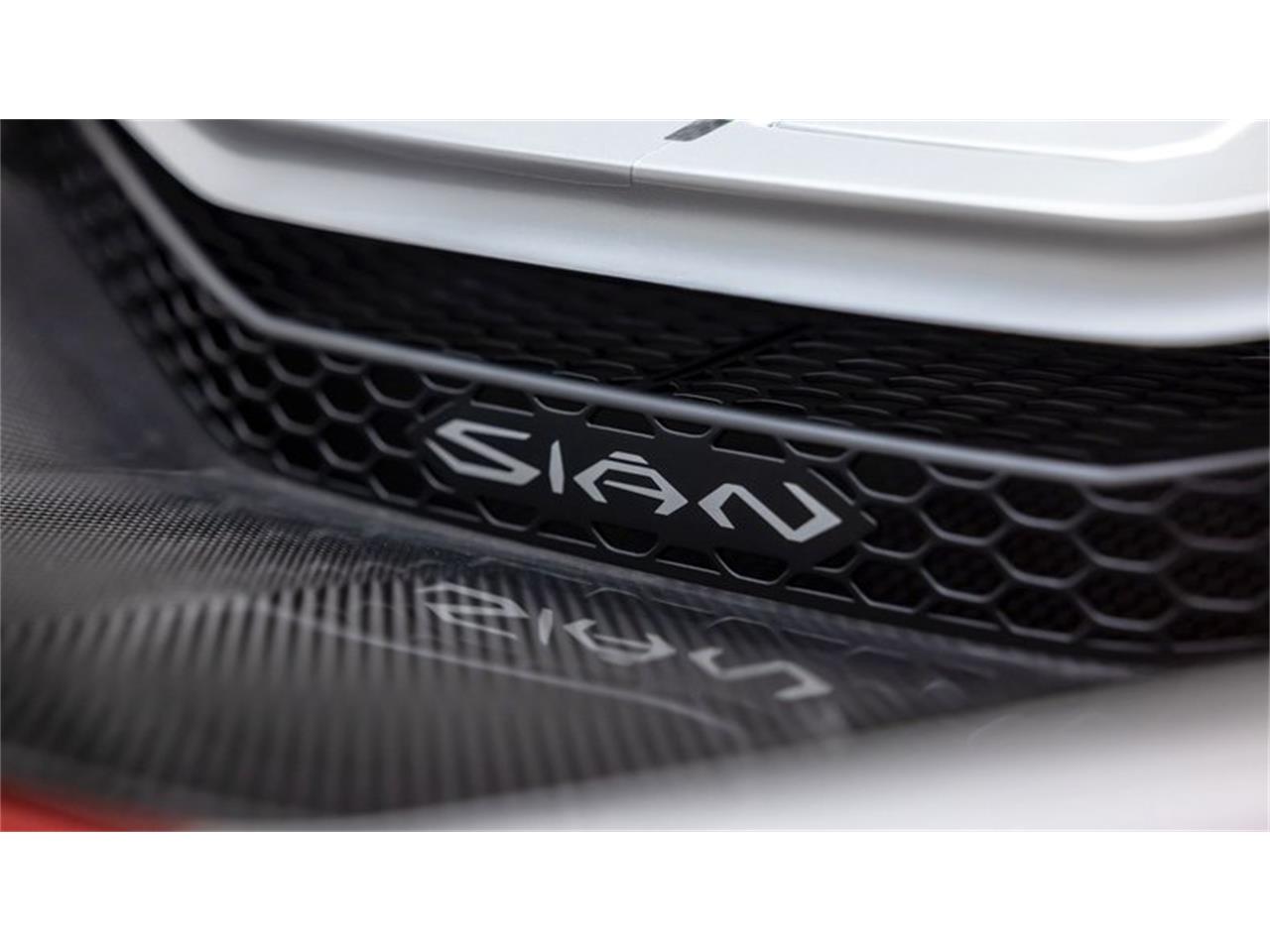
Lamborghini presented the Sián as its first production car to use hybrid technology. The system paired the Aventador-derived 6.5-litre V12 with a 48-volt electric motor and a supercapacitor, producing a quoted combined output of 808 horsepower.
The technology was less about silent electric range than sharper response and additional performance. It also previewed Lamborghini's transition toward electrified powertrains while preserving the naturally aspirated V12 as the centre of the experience.
Why this example stands out
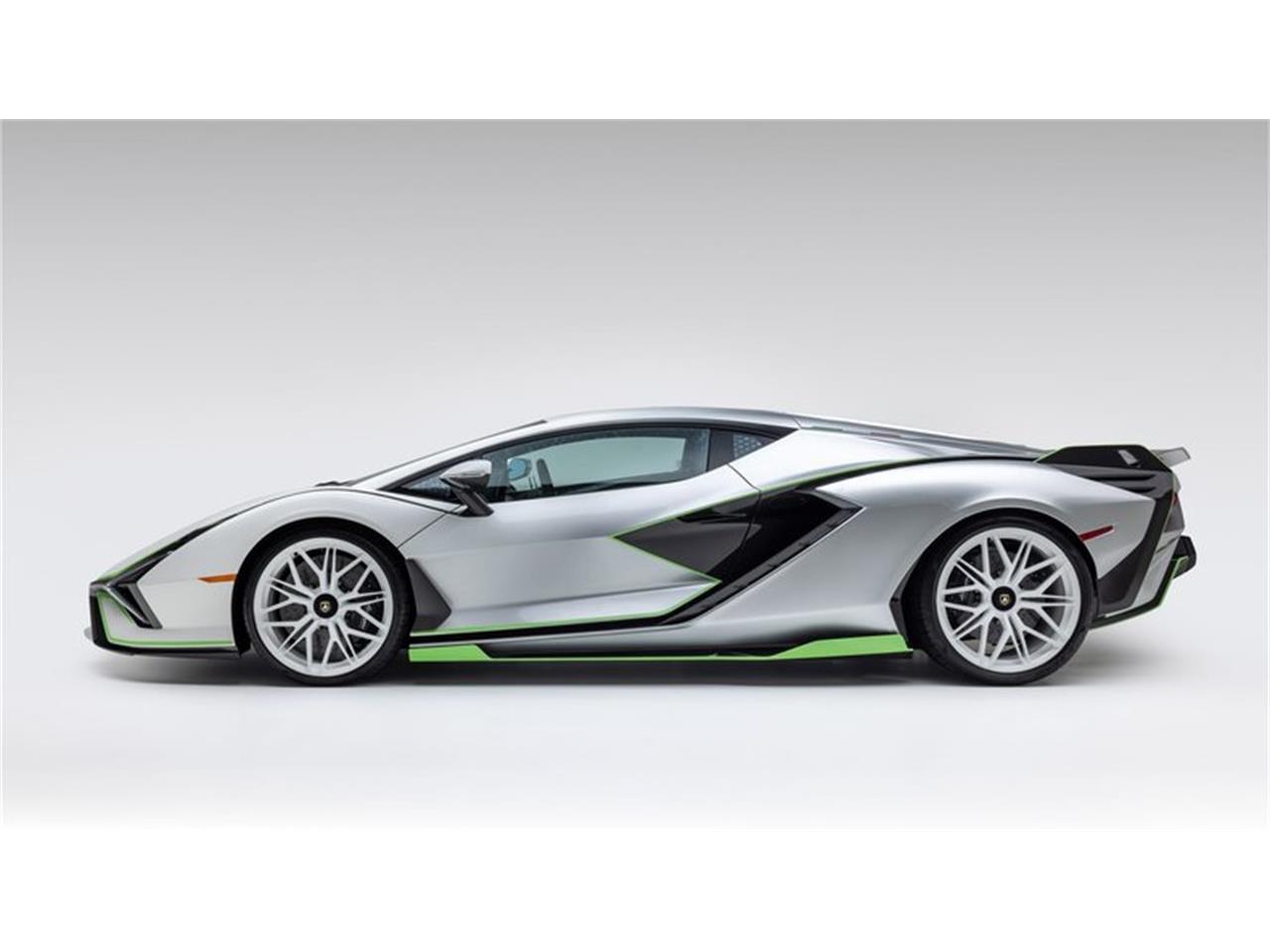
Broad Arrow's listing describes one private owner, 284 miles at cataloguing and a service completed in April 2026. The specification combines Bianco Asopo and Grigio Liqueo with Verde Lampros accents over Nero Cosmus leather.
The car also carries Carbon Package 1, priced at $105,000 when specified, plus more than $157,000 in Ad Personam exterior options. On a production run of only 63 coupes, a recognisable factory configuration can materially shape collector interest.
How the estimate compares with earlier Sián sales
The $2.5 million to $3 million estimate sits in an established but thin market. Public auction records include a 2021 Sián sold by Broad Arrow for $2.645 million in 2024 and another sold by RM Sotheby's for $2.37 million at Monterey in 2025.
A small number of transactions cannot create a precise price curve. Mileage, colour, options, geography and timing can move the result substantially, especially for cars that are individually configured and rarely offered.
What to watch when the car crosses the block
The first question is whether the market rewards the Sián as a milestone Lamborghini or compares it directly with newer hybrid hypercars. Its place as the marque's first production hybrid gives it historical relevance beyond its performance figures.
The second is price discipline. A result near the top estimate would support the premium for low-mileage, single-owner examples. A lower result would not necessarily weaken the model, but it would show how selective buyers remain at the multi-million-dollar level.