



 Deutsch
  Français
  Italiano
Chassis 103 never won a Grand Prix. It is estimated at $7 million to $9 million because of what one of its sister cars did, and because only two of them can still be bought.
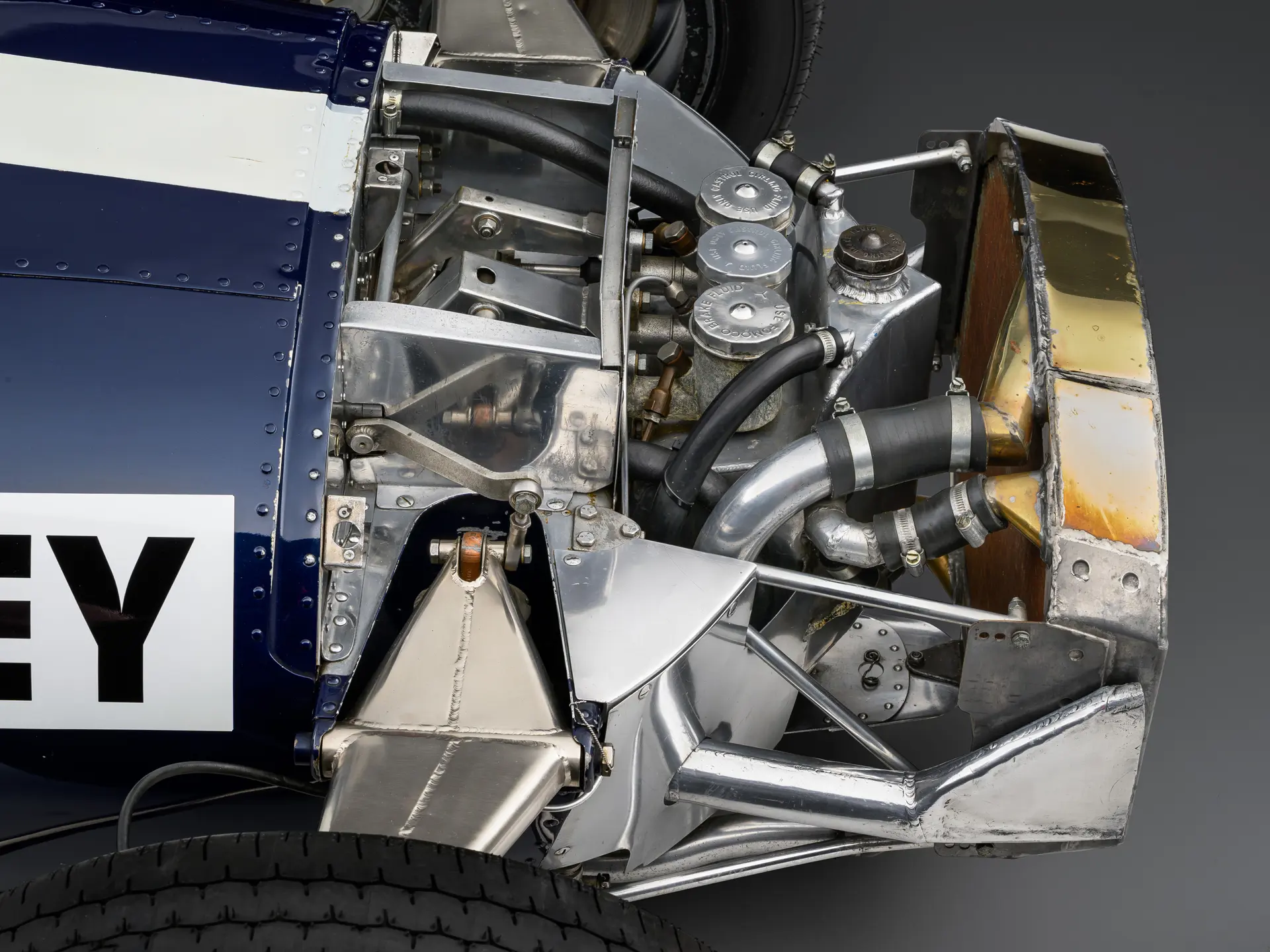
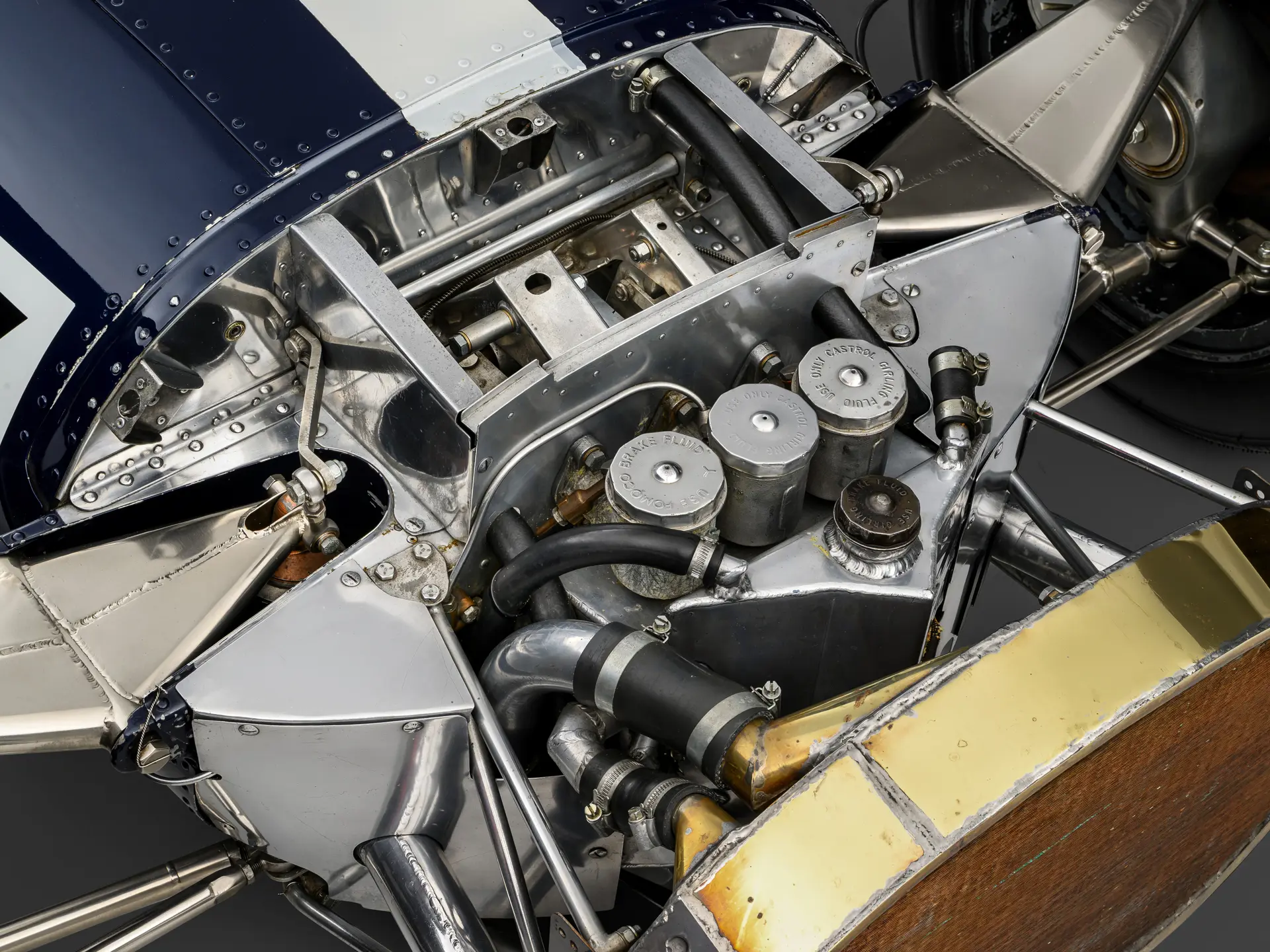
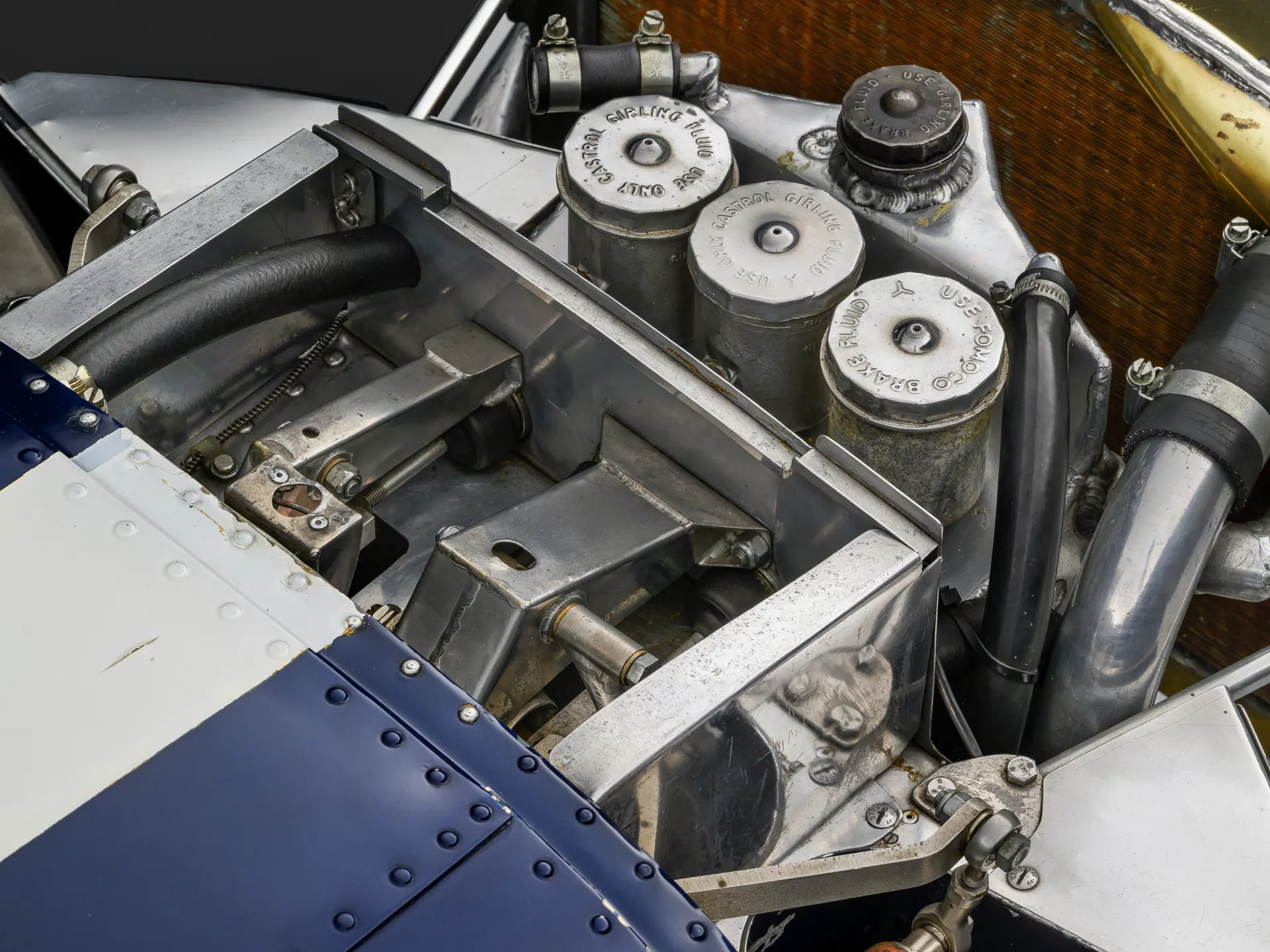
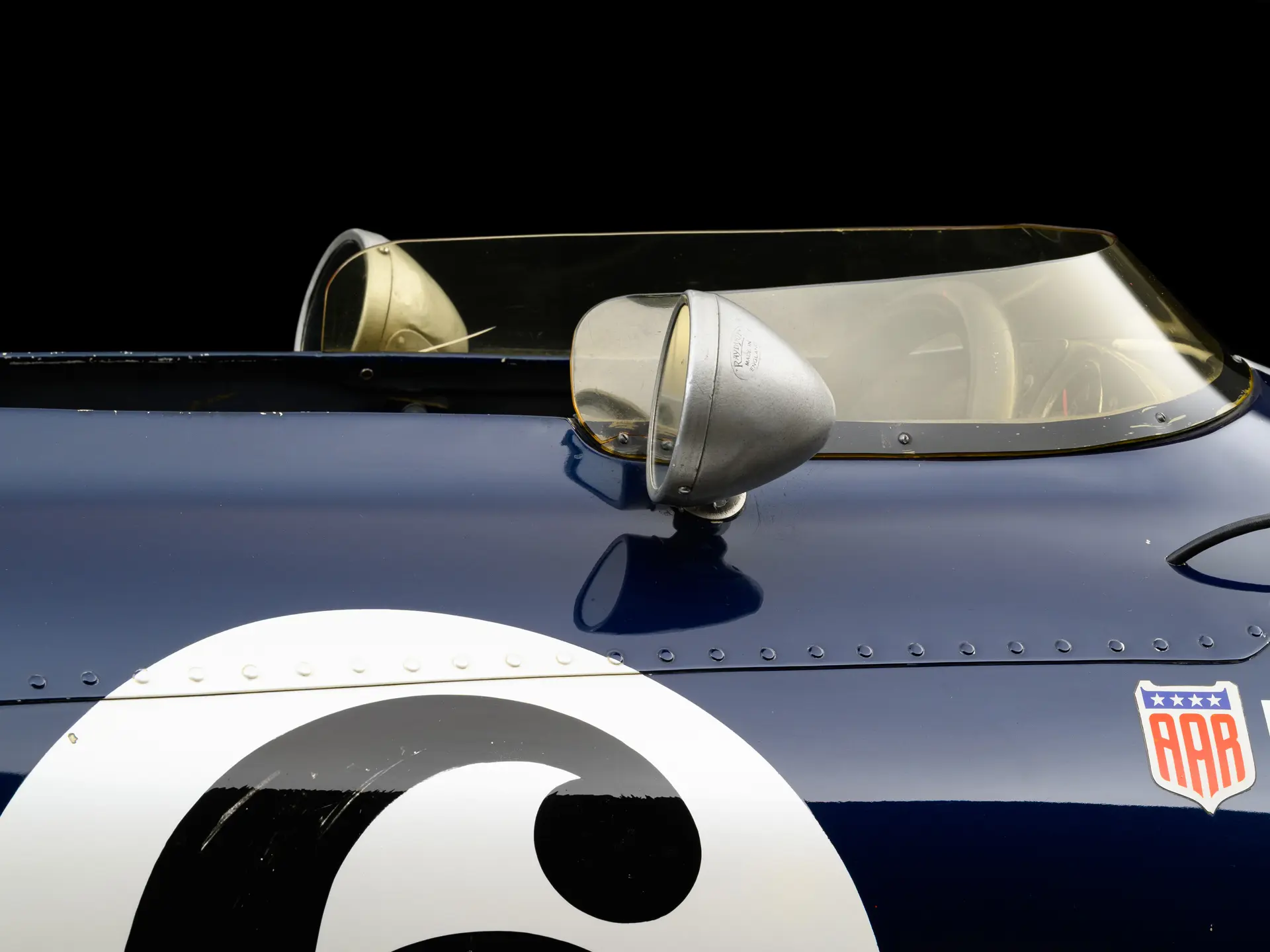
The Eagle Mk I chassis 103 in detail
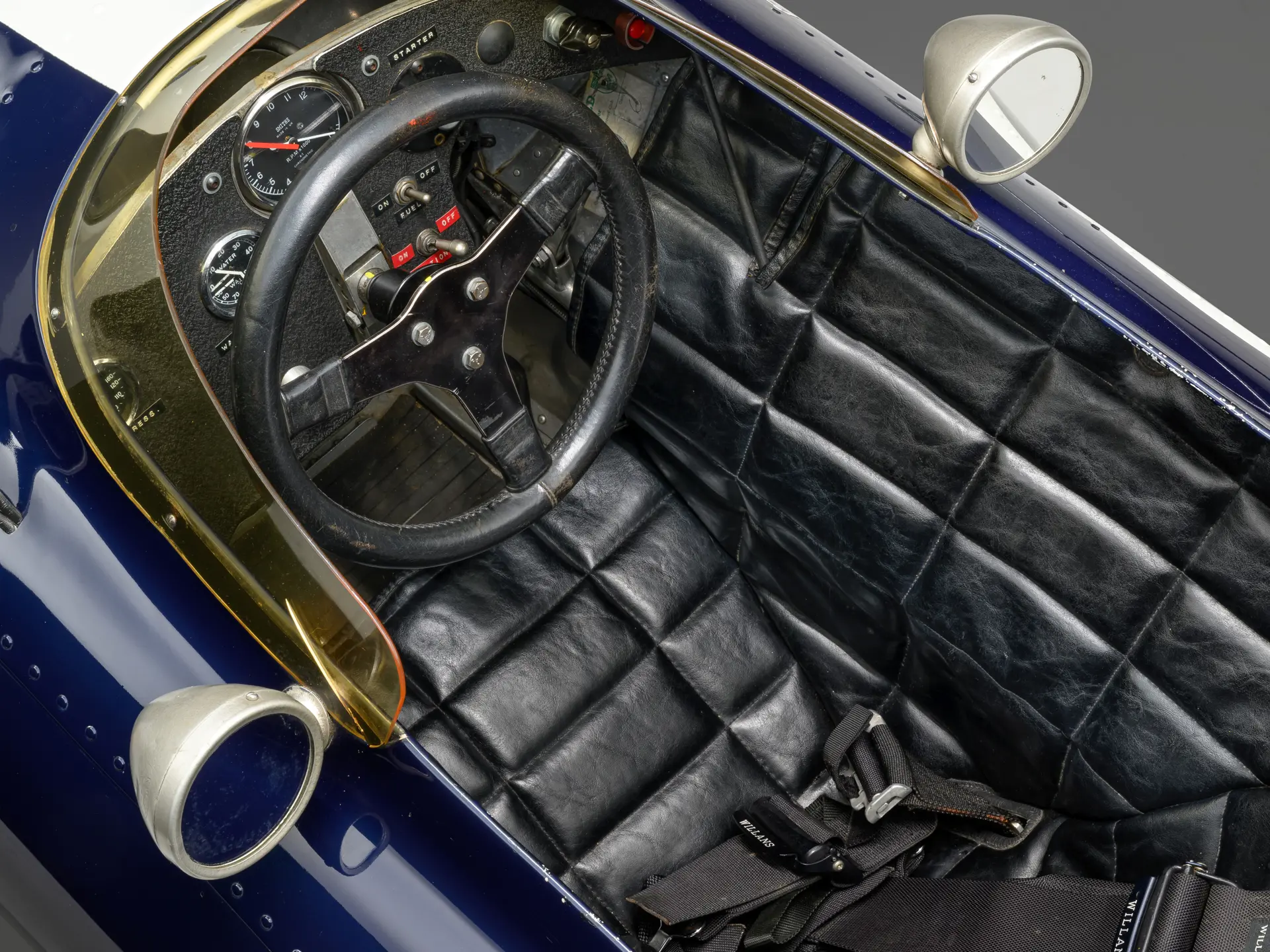
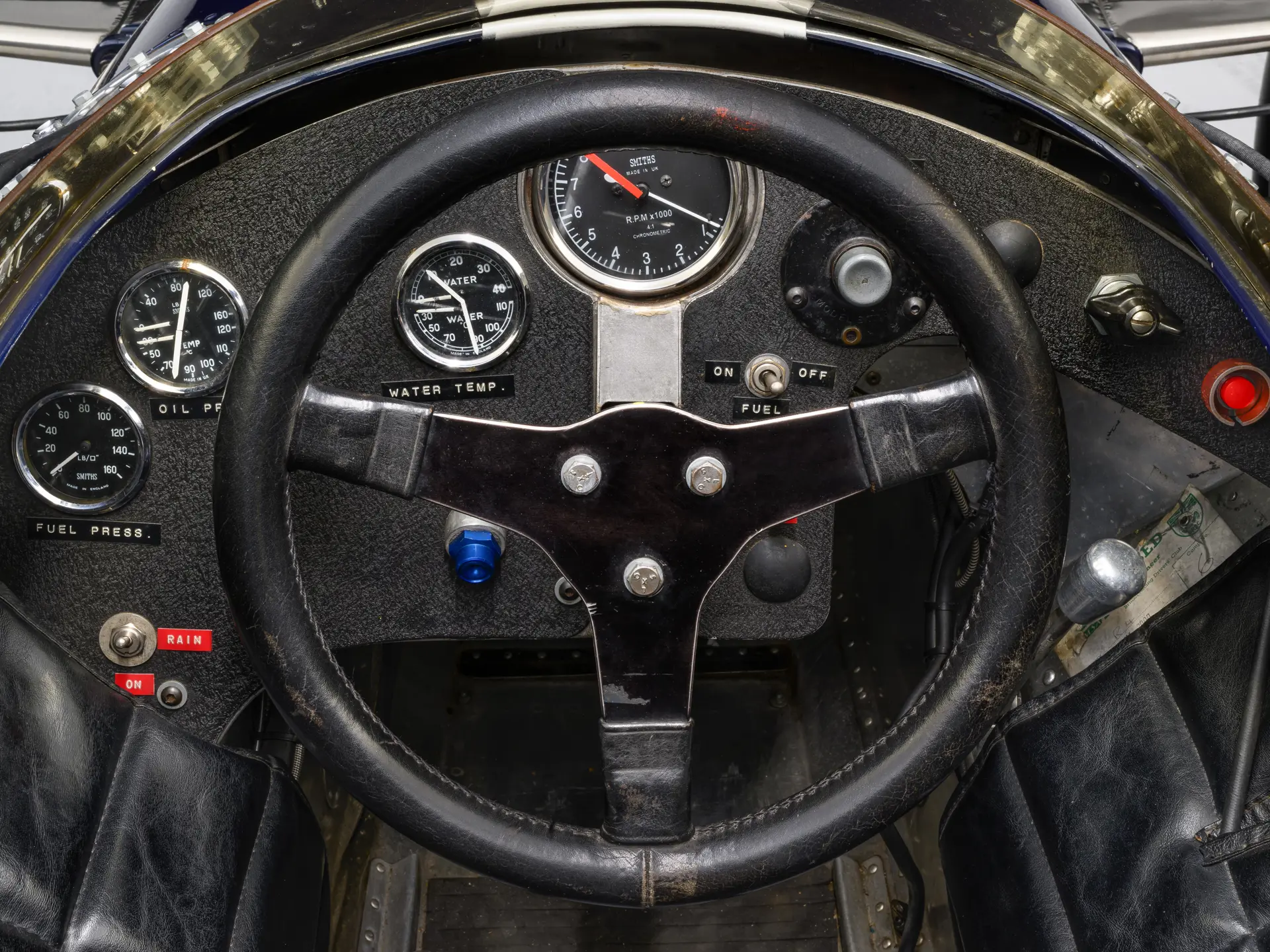
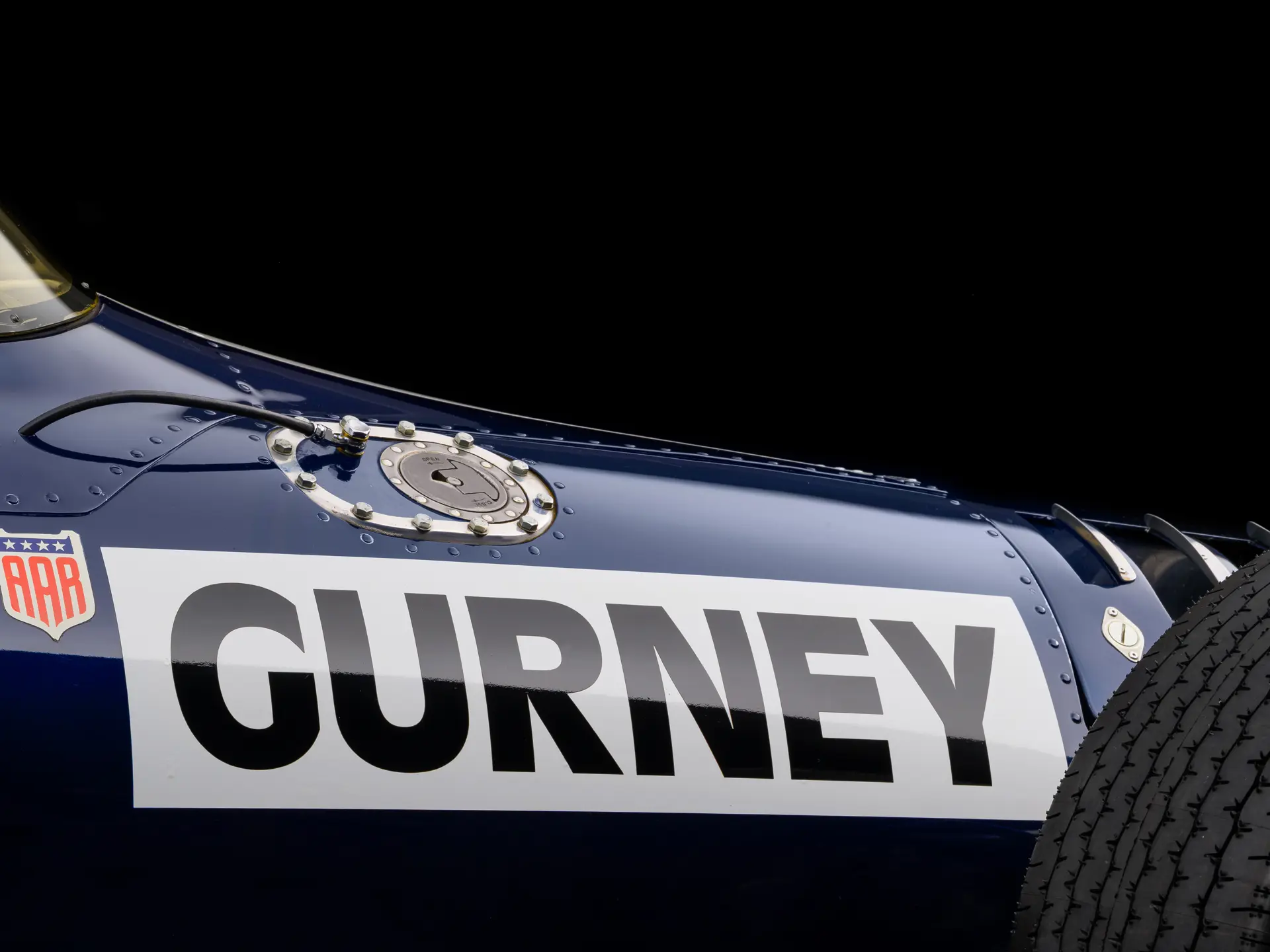
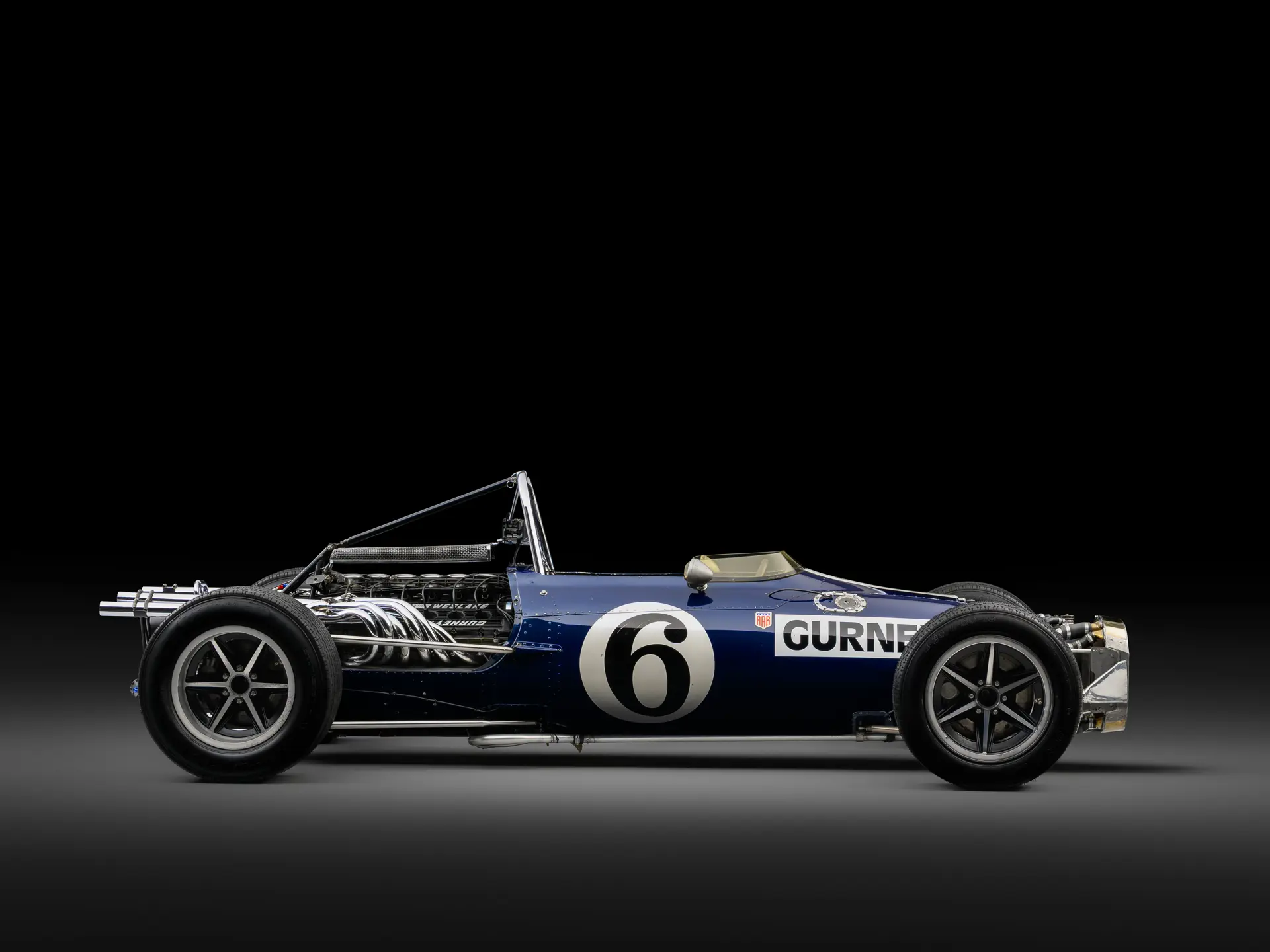
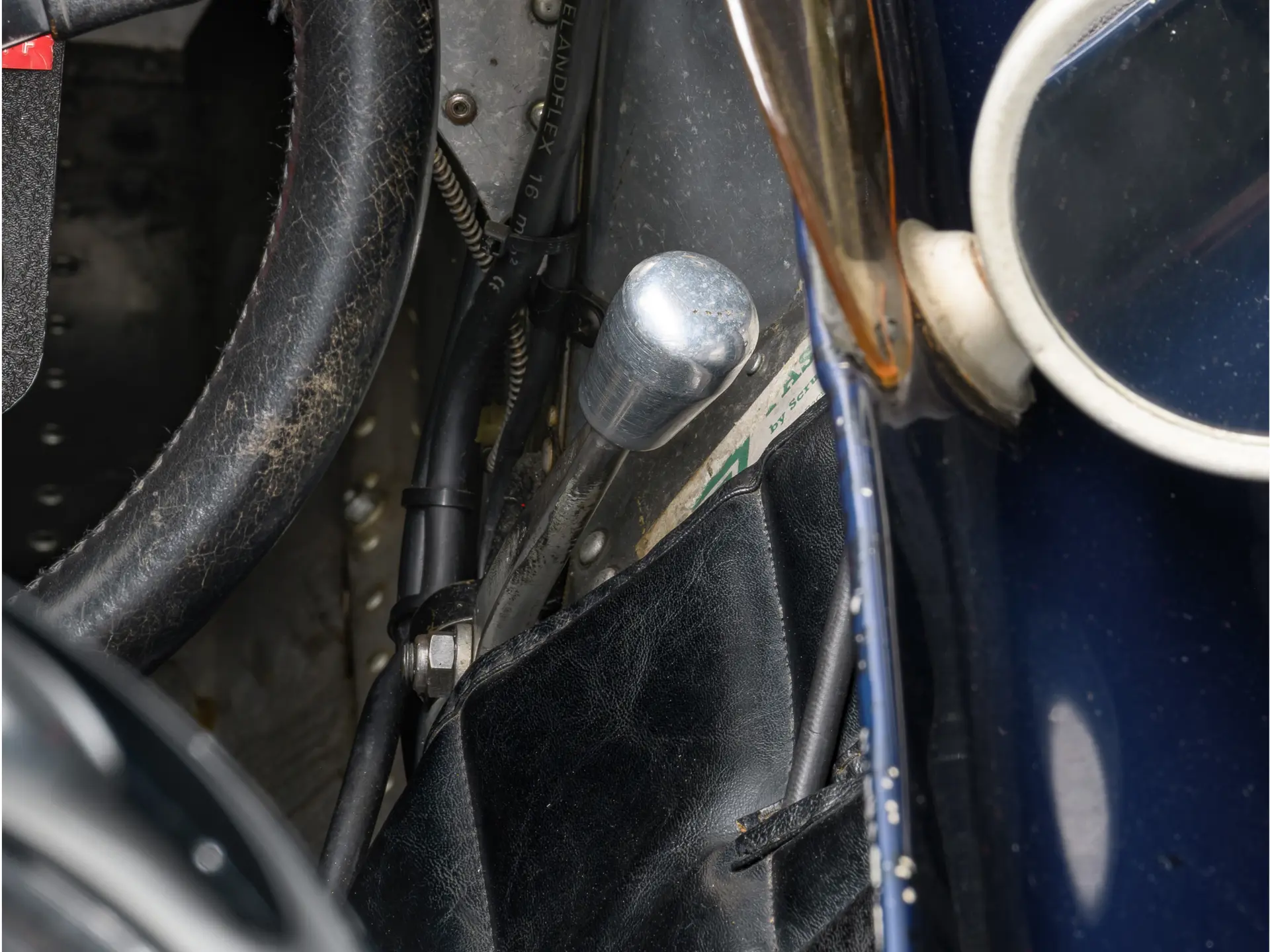
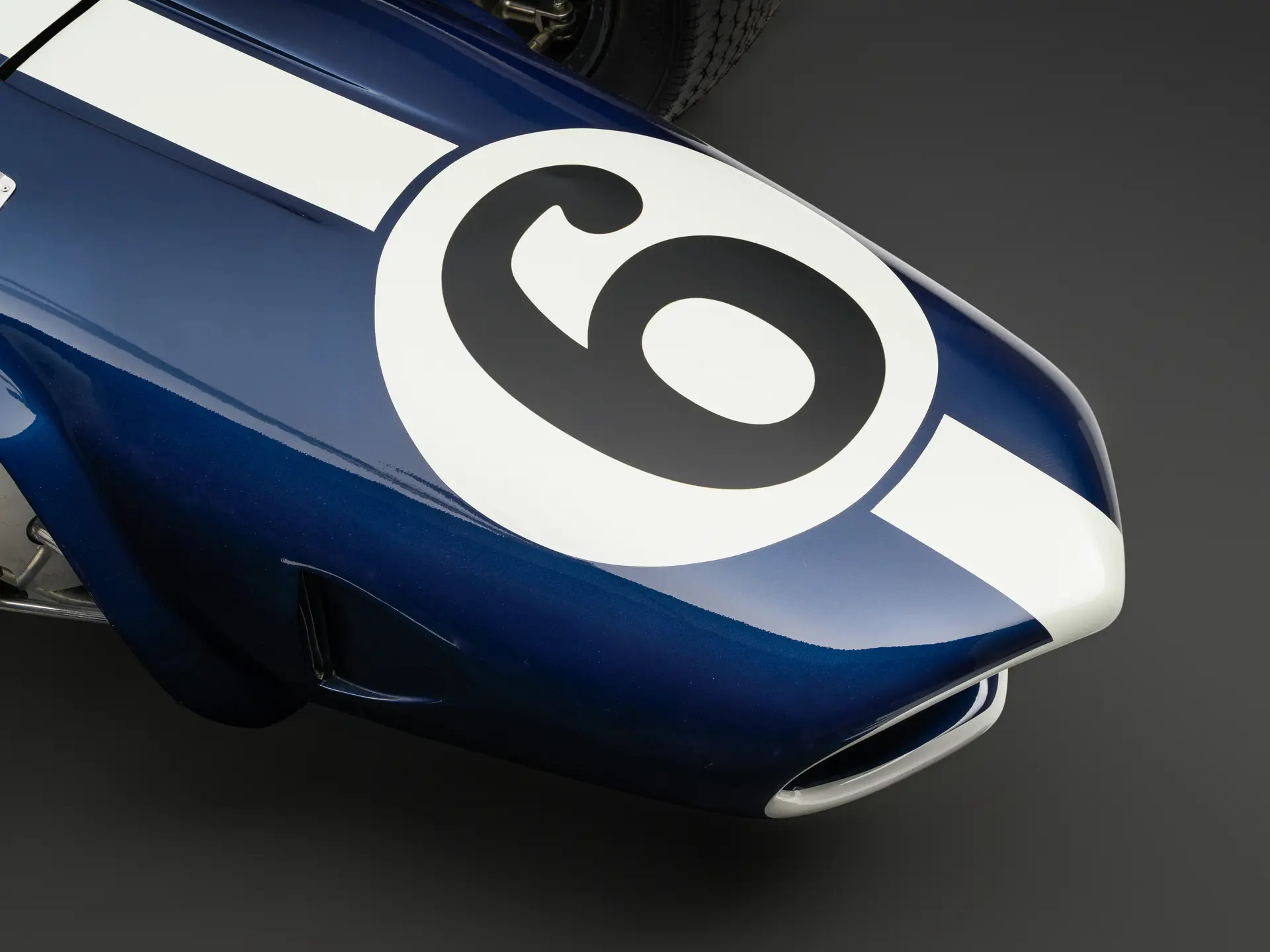
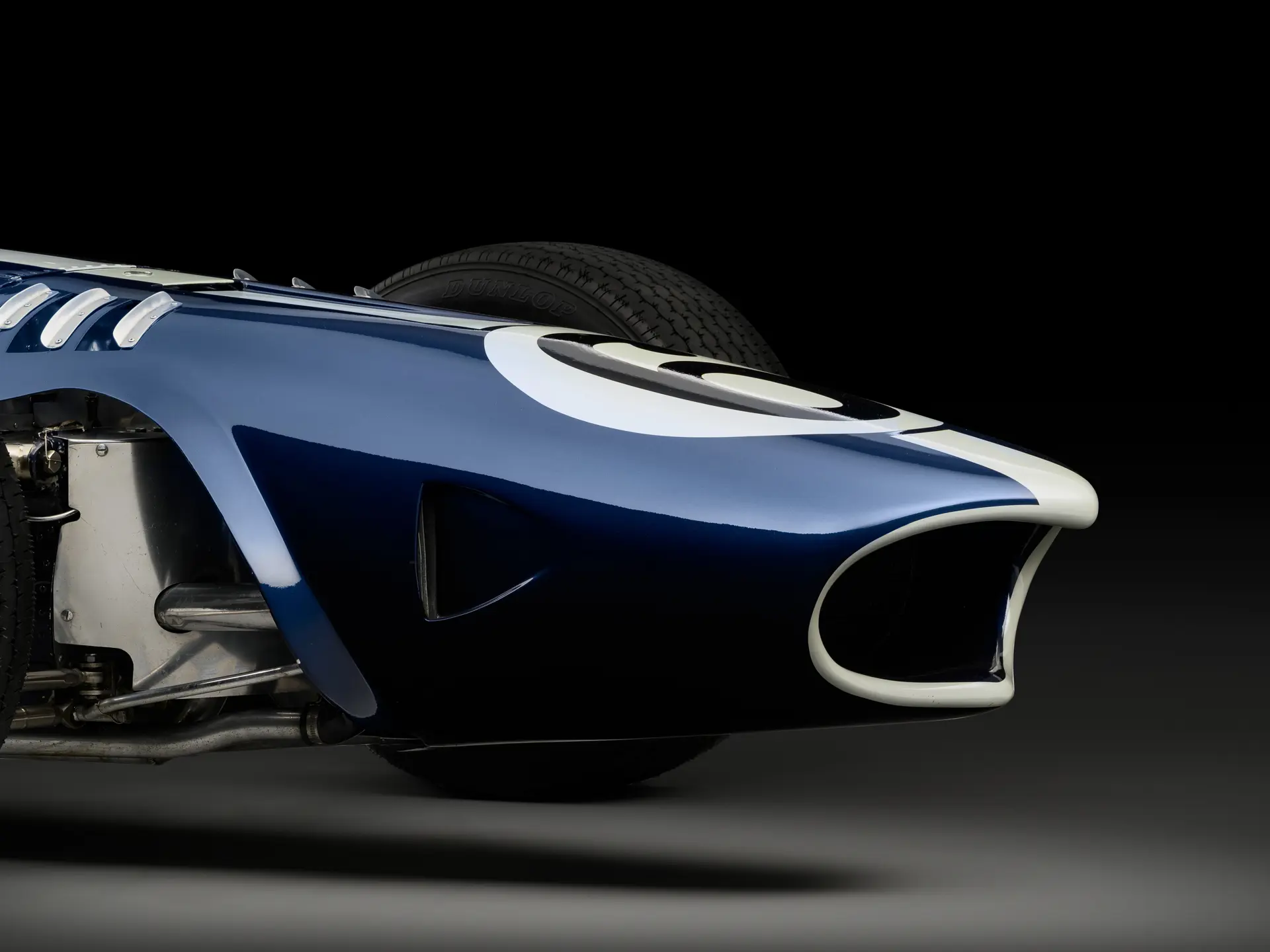
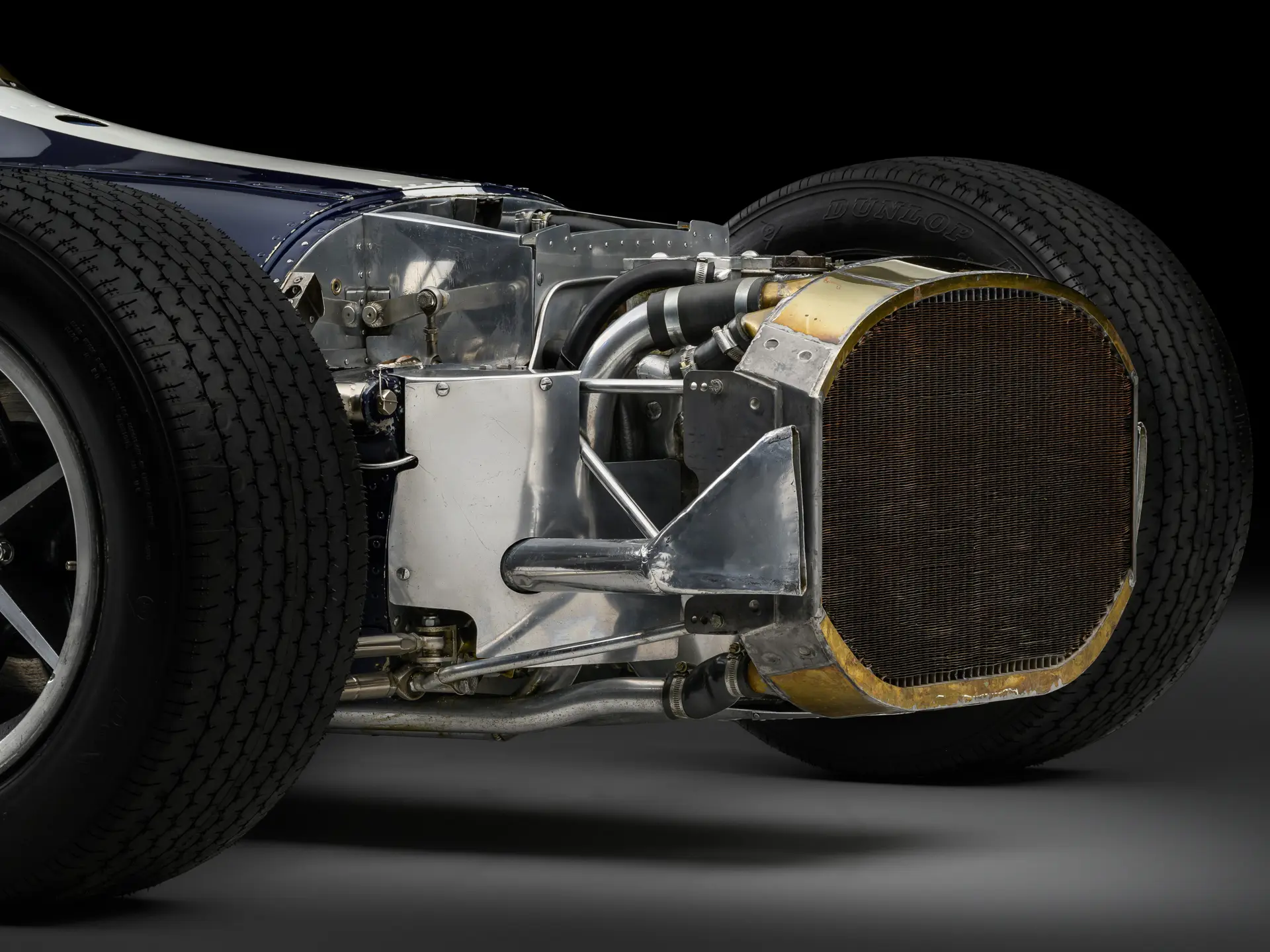
What is being sold, and for how much
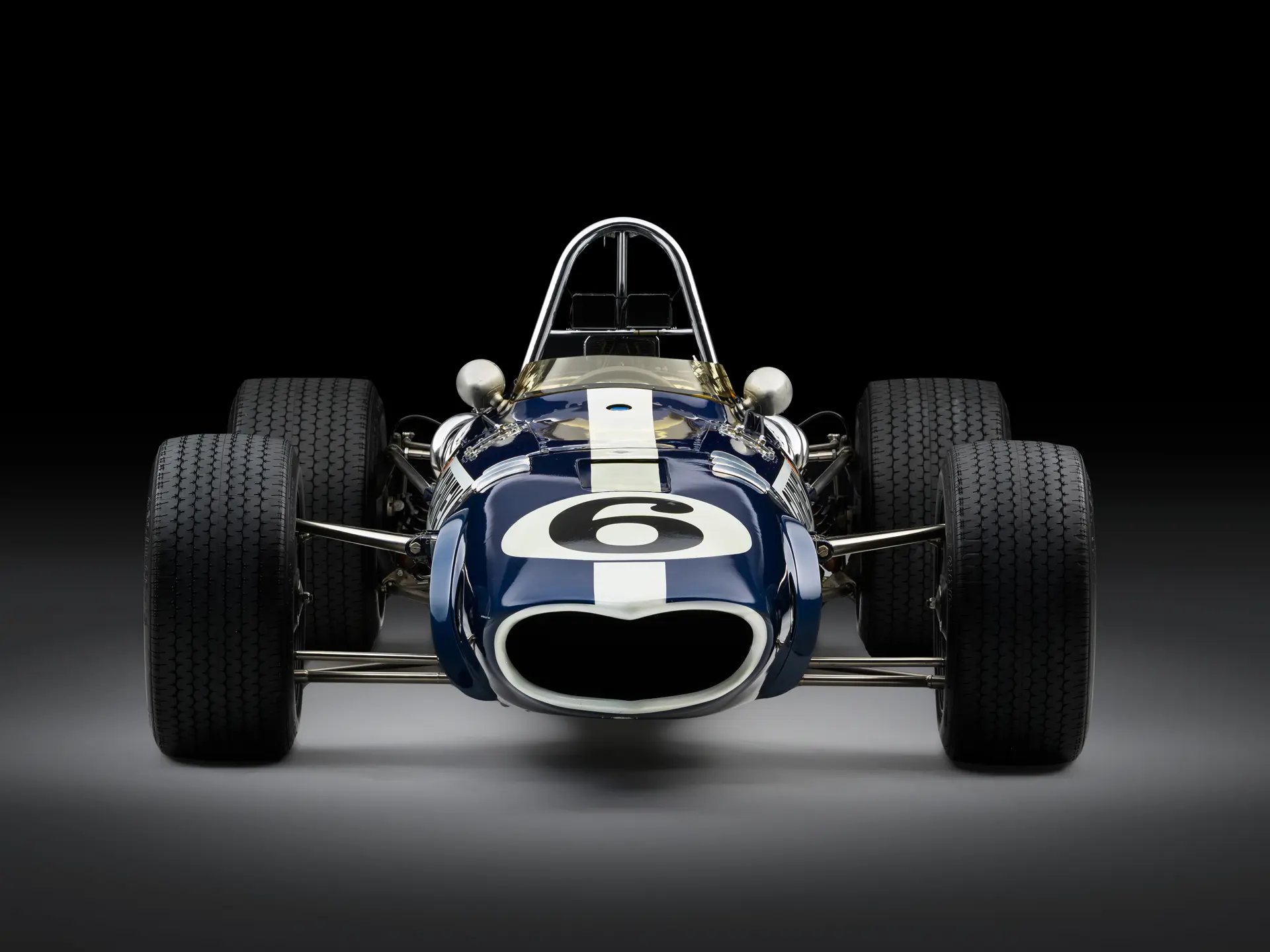
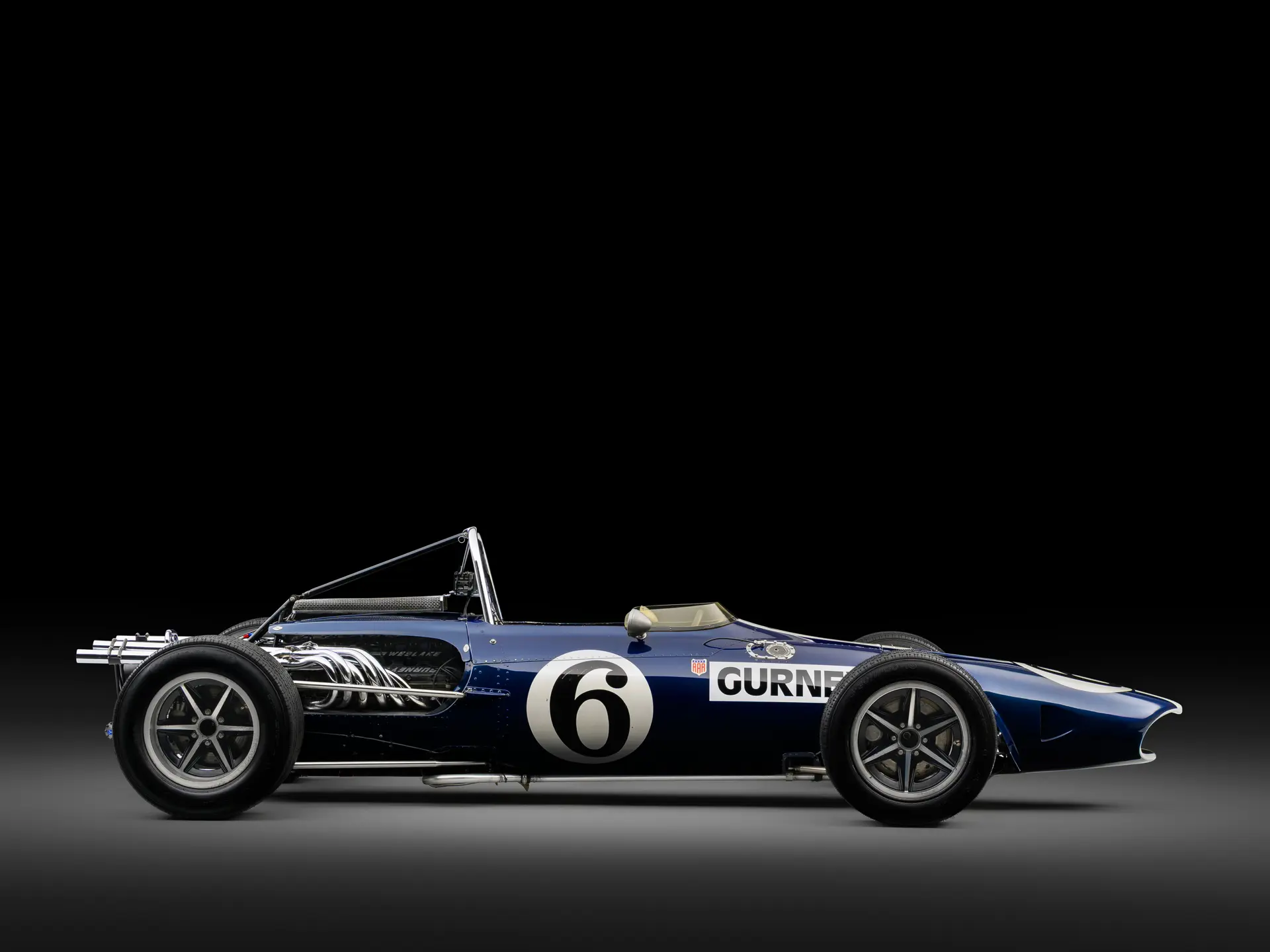
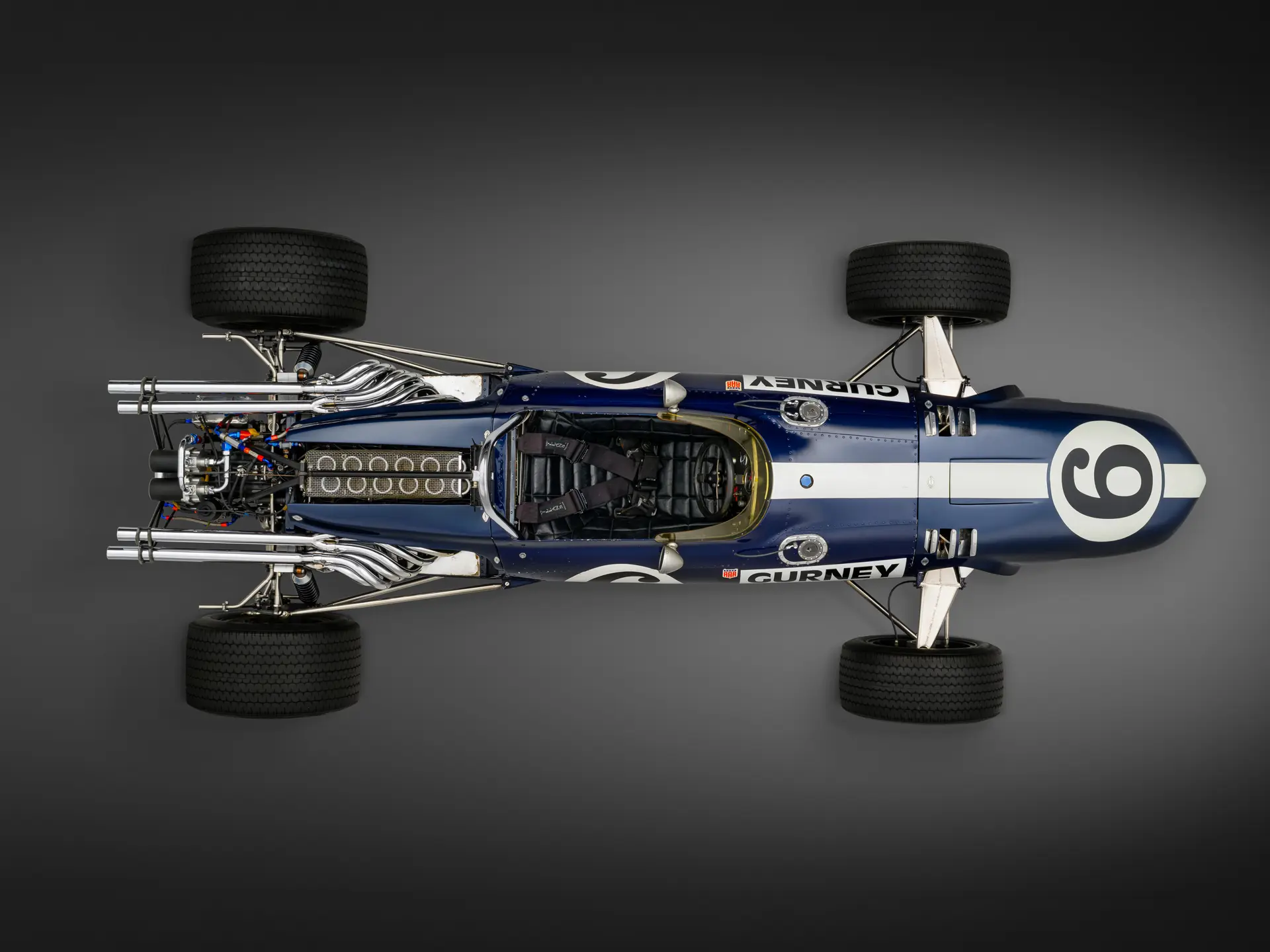
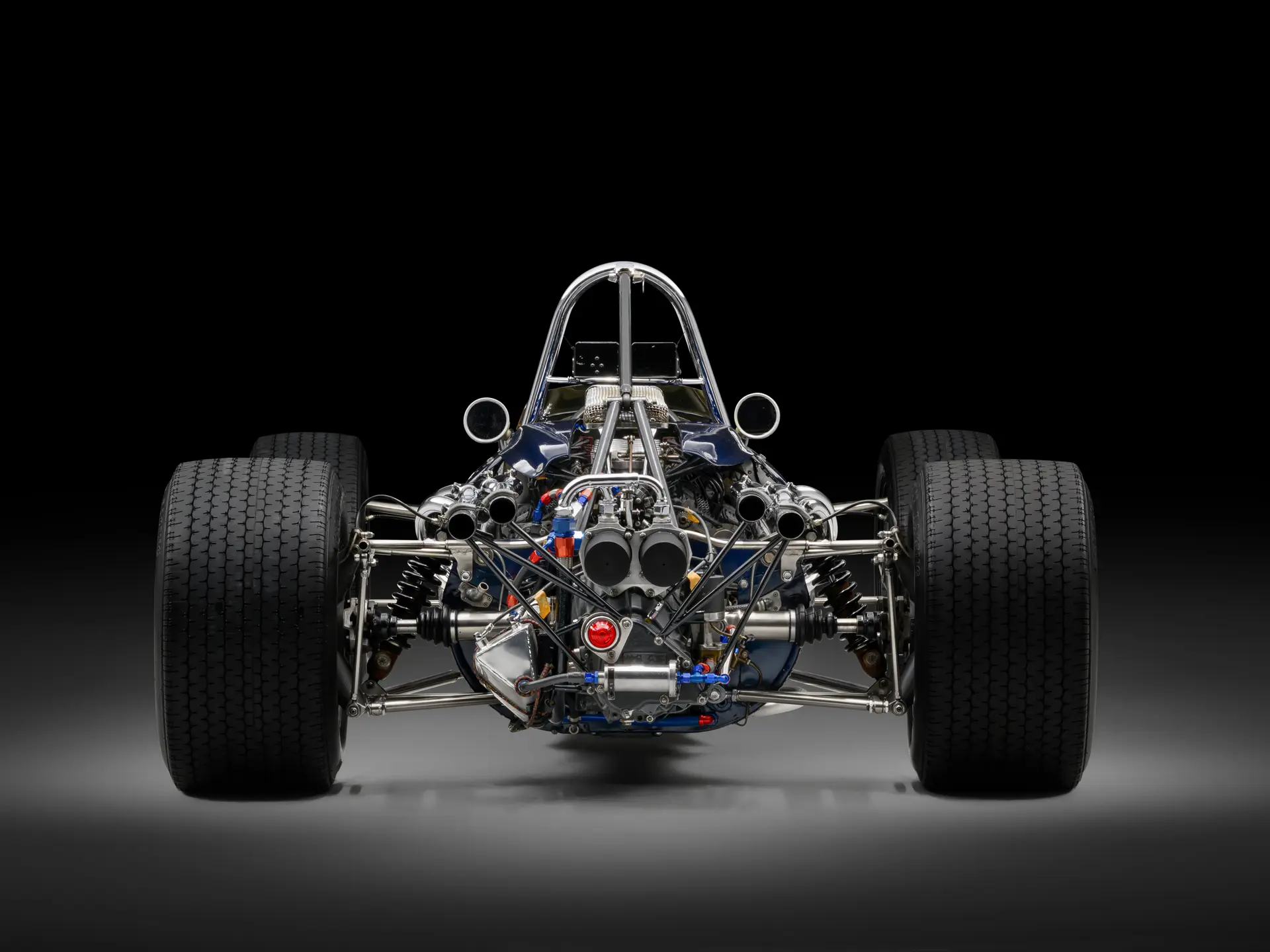
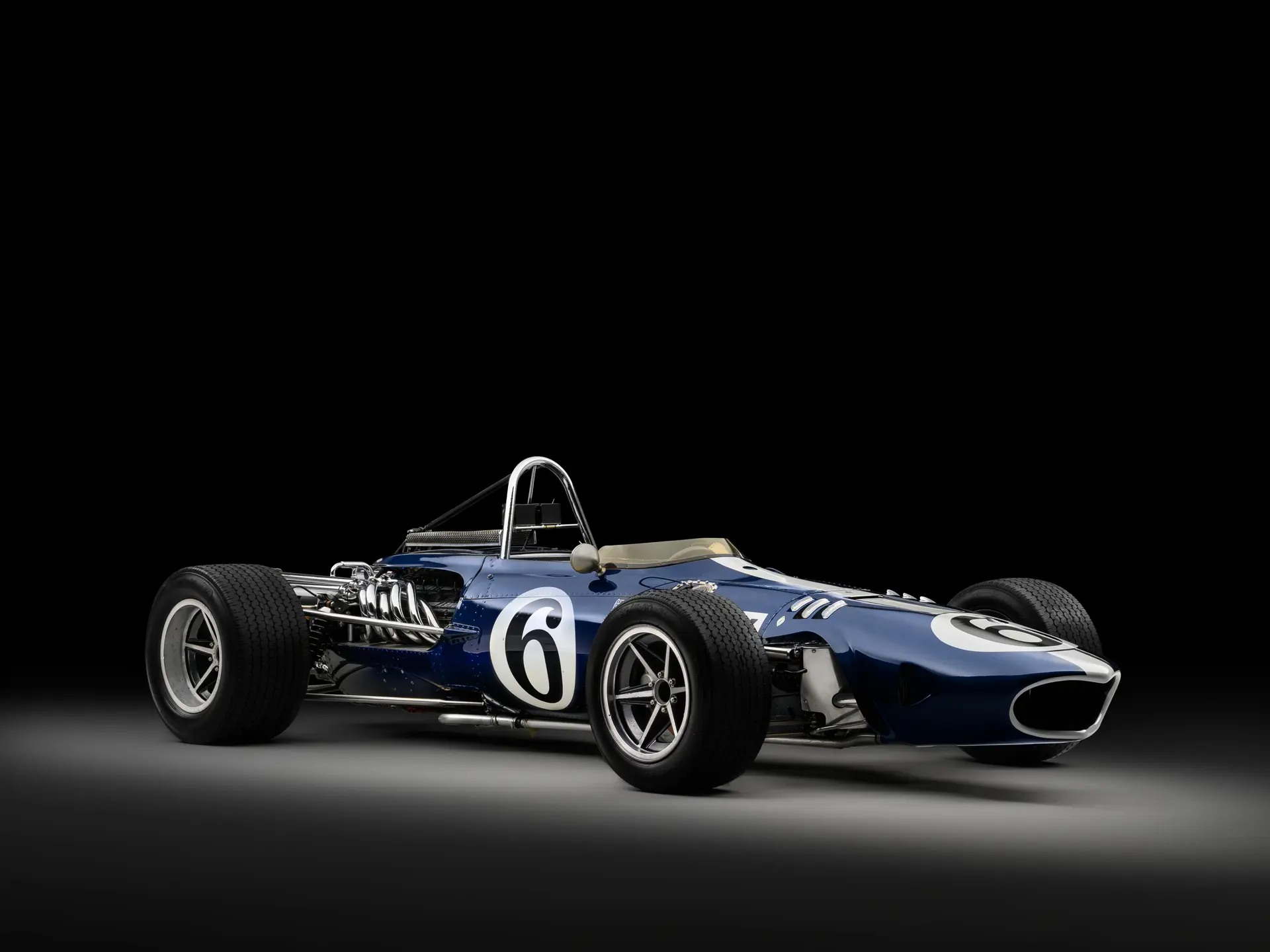
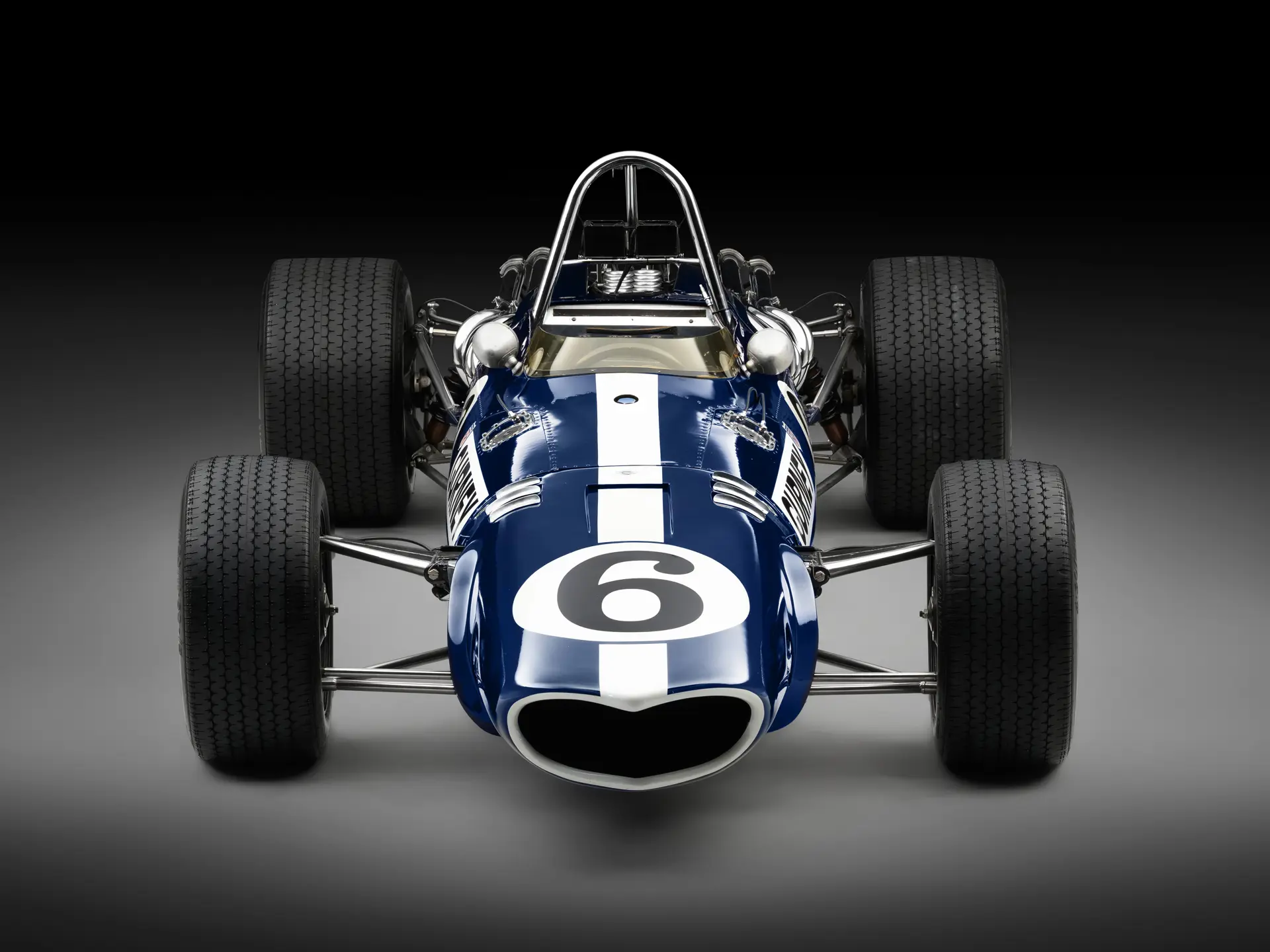
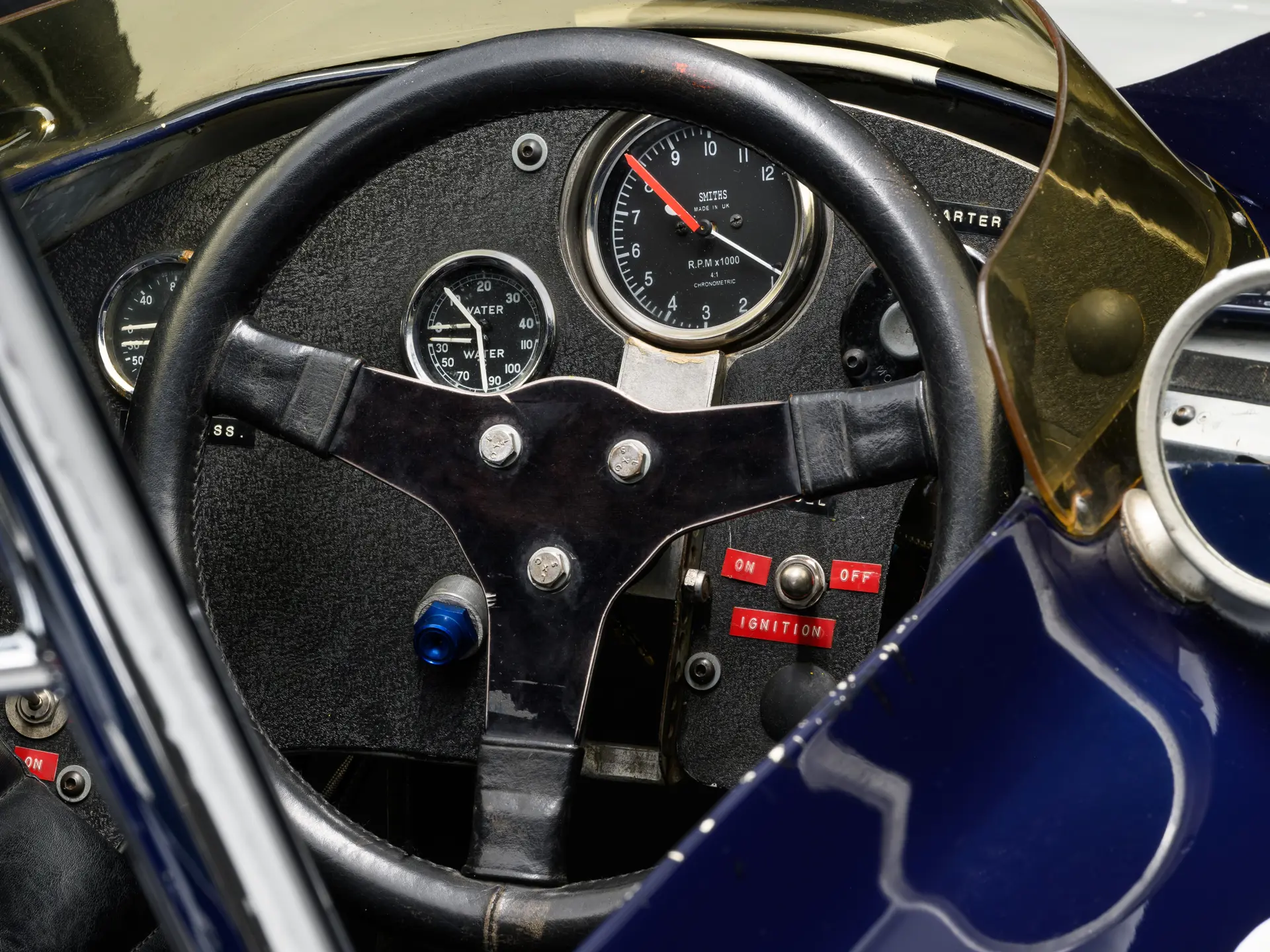
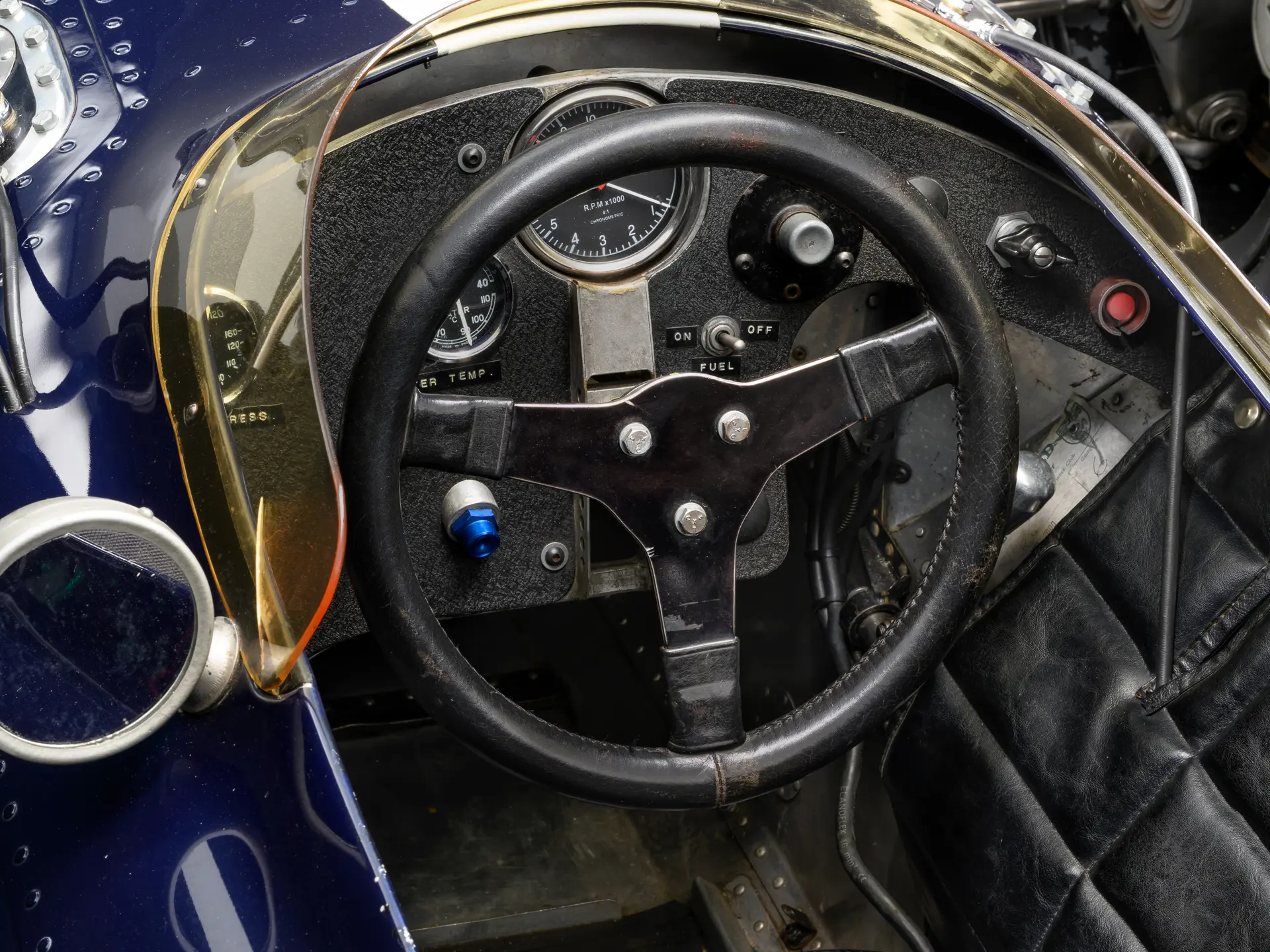
The lot is a 1967 AAR Eagle Mk I Gurney-Weslake, chassis 103, offered by RM Sotheby's in its Sealed September sale, located in Culver City, California and sold on a bill of sale only. The estimate is $7,000,000 to $9,000,000, with indicative equivalents of €6,000,000 to €8,000,000, £5,000,000 to £6,500,000 and CHF 5,500,000 to 7,500,000.
Those are extraordinary numbers for a Formula 1 car that never won a World Championship race. Chassis 103 started four Grands Prix in period and finished one of them. Its best result is third place at the 1967 Canadian Grand Prix. On a results sheet alone, this is a car that would struggle to reach seven figures.
The estimate is not built on results. It is built on a nationality, on an engine, on a category of two cars, and on one man. Taken separately, none of those would carry a $9 million valuation. Together they describe an object for which there is no substitute anywhere on the market.
The only American car ever to win a Formula 1 race
In June 1967, Dan Gurney won the Belgian Grand Prix at Spa-Francorchamps in an Eagle Mk I. It remains the only World Championship Formula 1 victory by an American-built car, the Indianapolis 500 years aside, and the first Grand Prix win for an American constructor since 1921.
It was also a rarer kind of win than the nationality alone suggests. Gurney had conceived the programme, raised its funding, run the workshop and driven the car. Only Jack Brabham had previously won a World Championship Grand Prix in a car carrying his own name, and nobody has done it since. Two men in the history of the sport hold that distinction.
Fifty-nine years later the record still stands, and it cannot be broken retroactively. Every American Formula 1 constructor that followed has failed to add a second victory. That is what a buyer is really acquiring here: not a race result, but a physical connection to a record that has proved impossible to repeat.
Why this chassis, and not the one that won at Spa
The car that won at Spa is chassis 104, the magnesium and titanium car, the lightest and fastest Eagle built. It is not for sale, and on current evidence it will not be. That single fact does more to set the price of chassis 103 than anything in the car's own history.
Four Mk I chassis were laid down in Santa Ana. Only three received the Weslake V12: chassis 101 ran a stopgap 2.7-litre Coventry Climax four-cylinder while the twelve was still late. Of the three V12 cars, RM Sotheby's describes chassis 103 as one of just two in private hands.
So the market for a V12 Eagle is a market of two cars, one of which almost never moves. When a category contains two objects and the pool of buyers is global, the price stops being a function of the car's own record and becomes a function of how badly the remaining candidates want it.
A 48-valve V12 built in a Sussex village
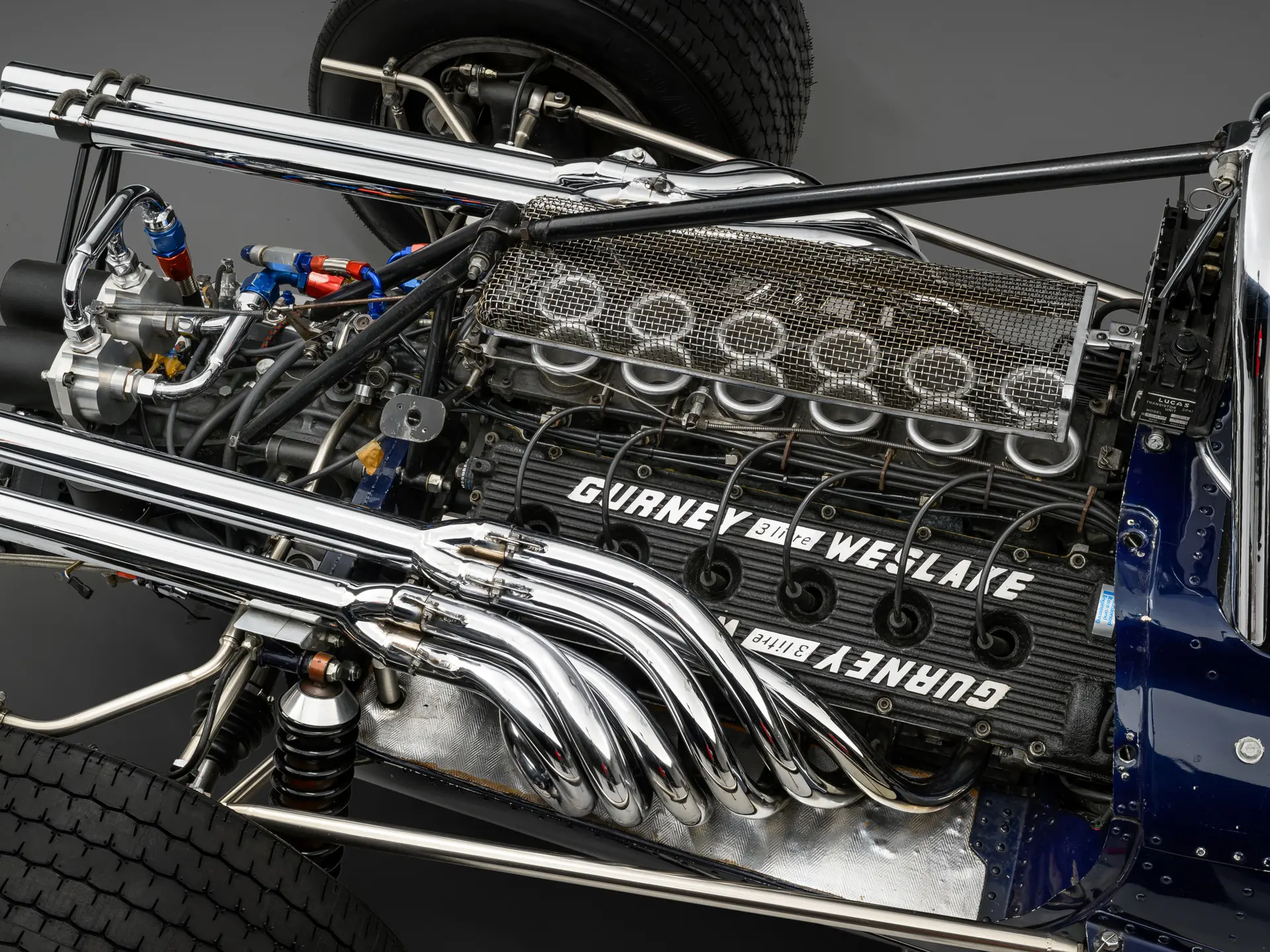
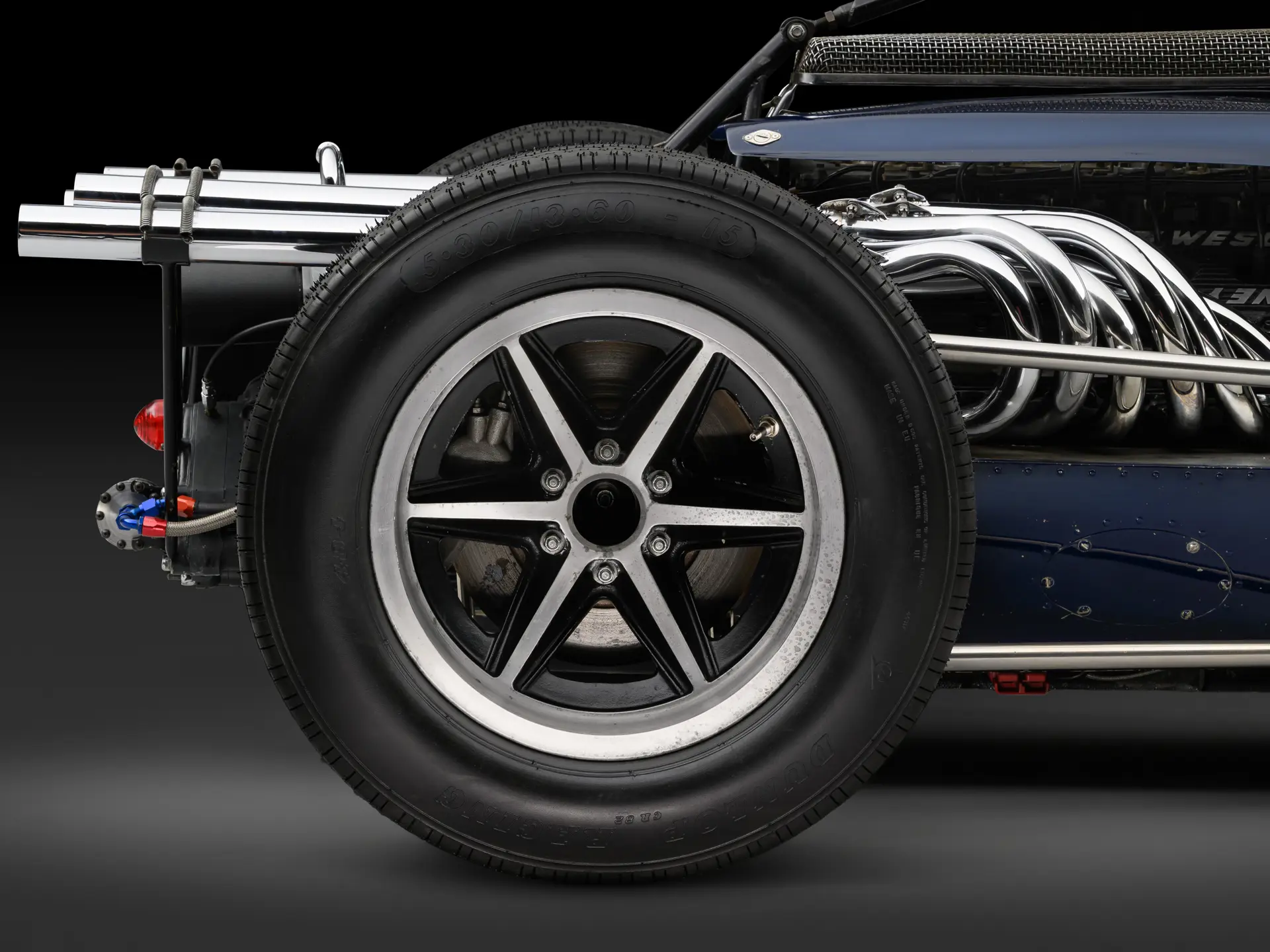
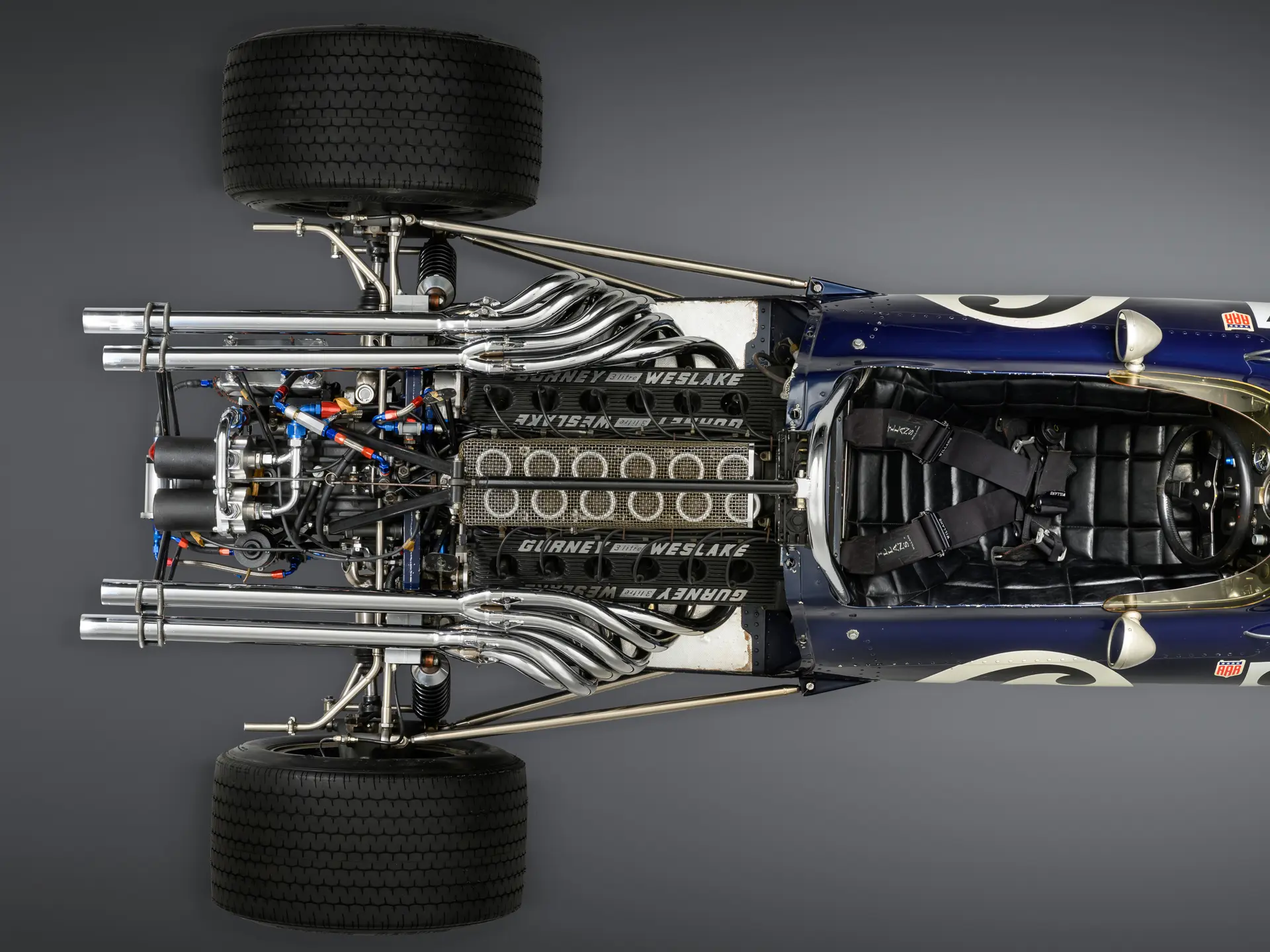
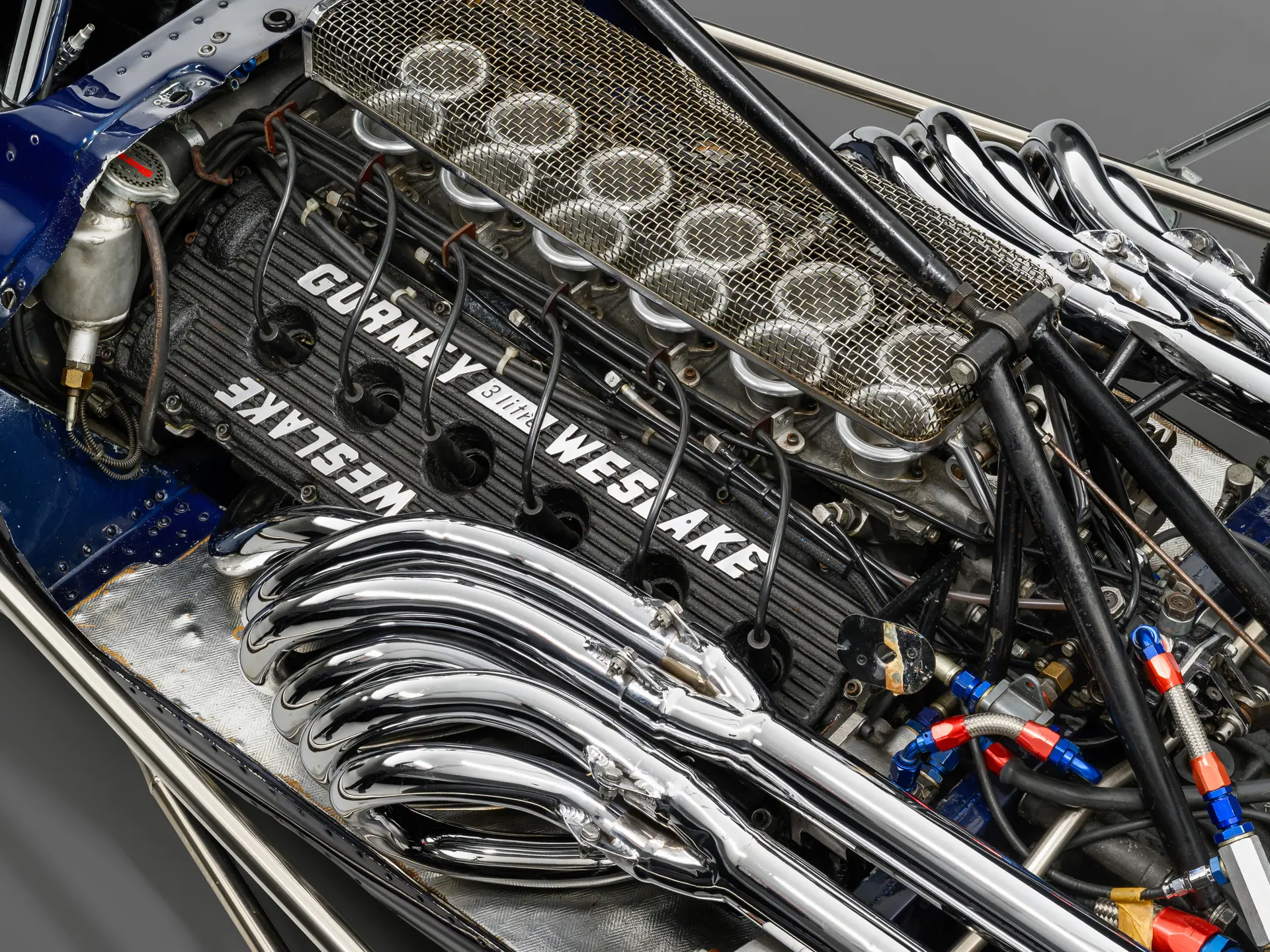
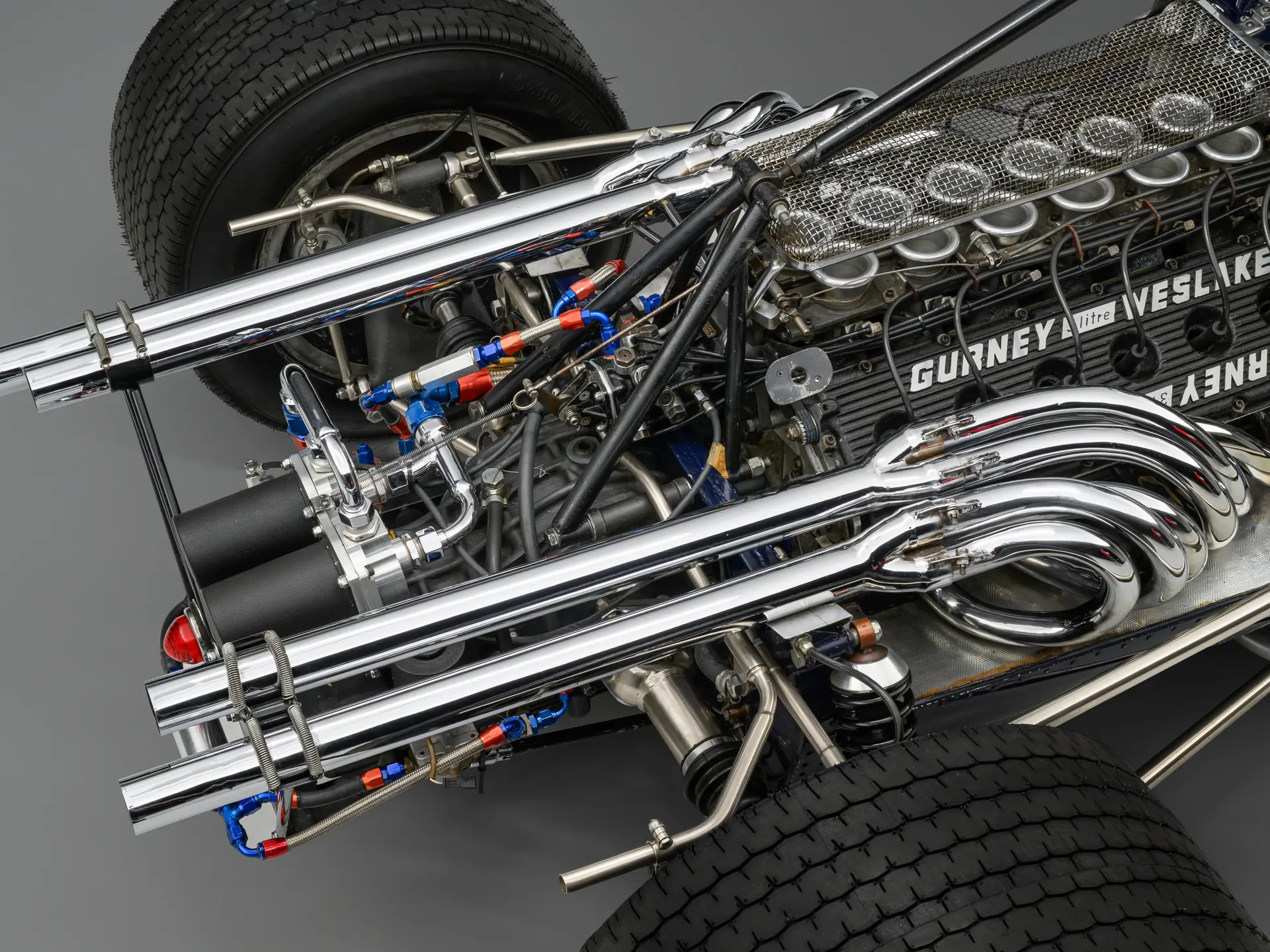
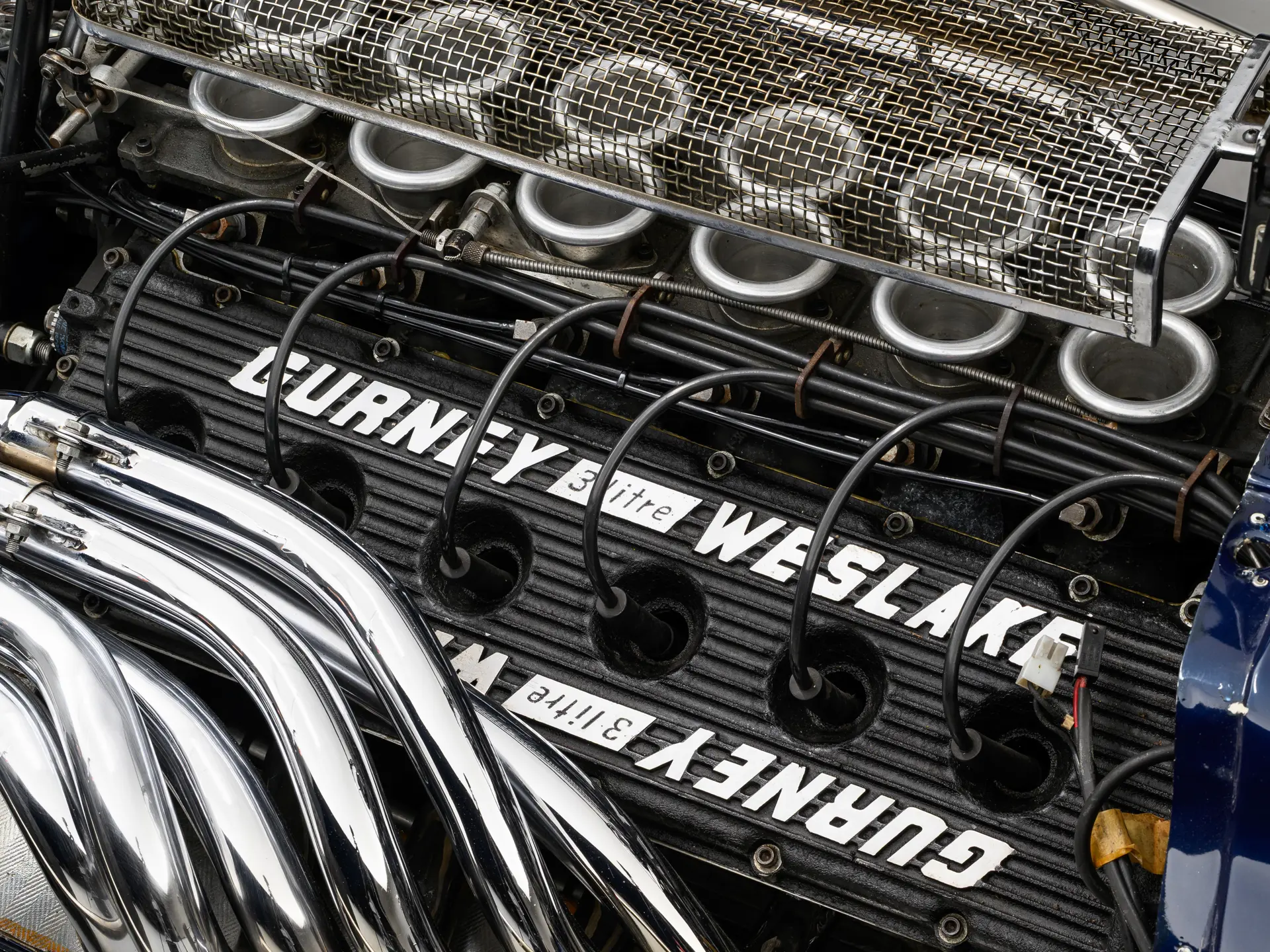
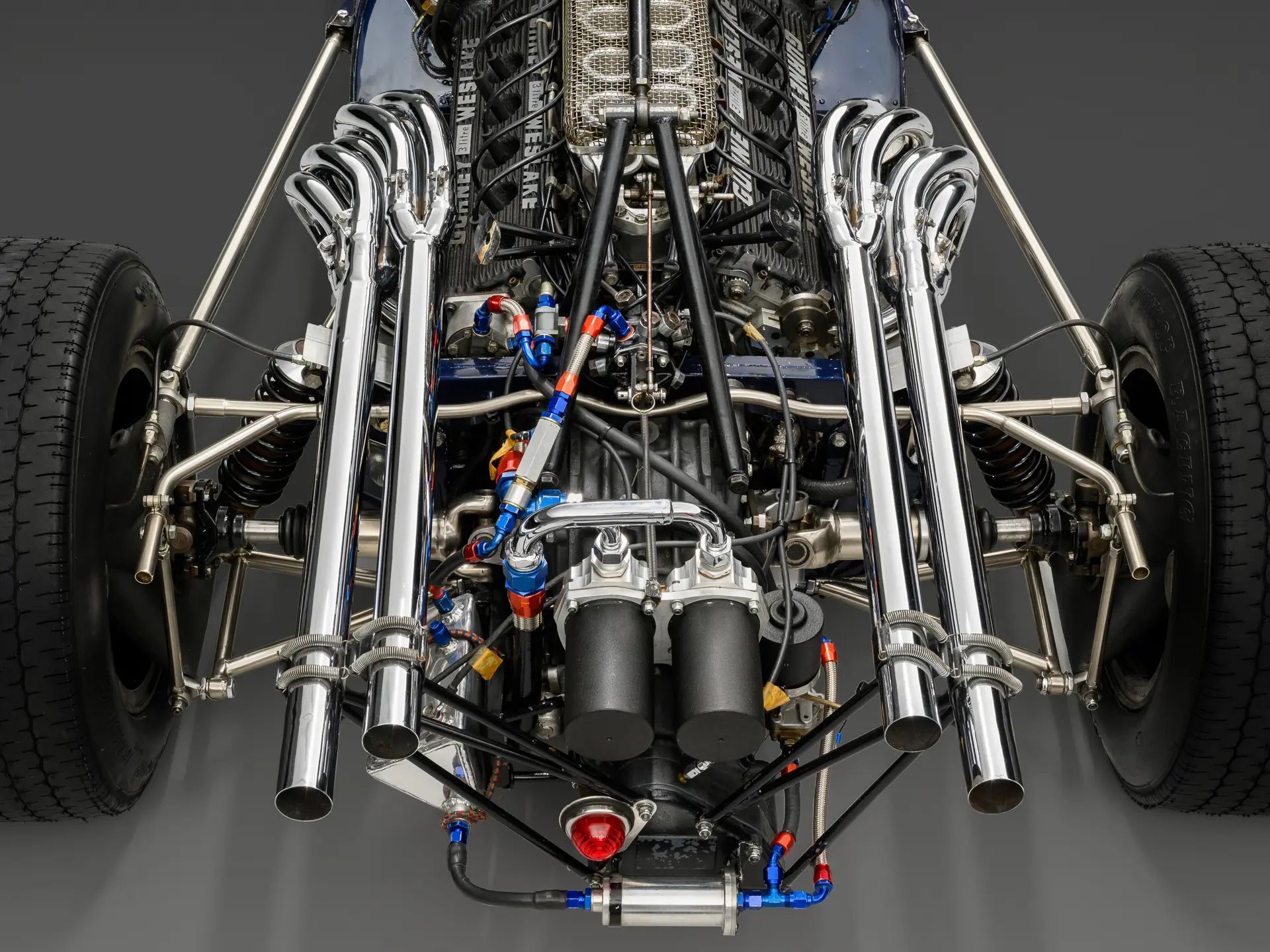
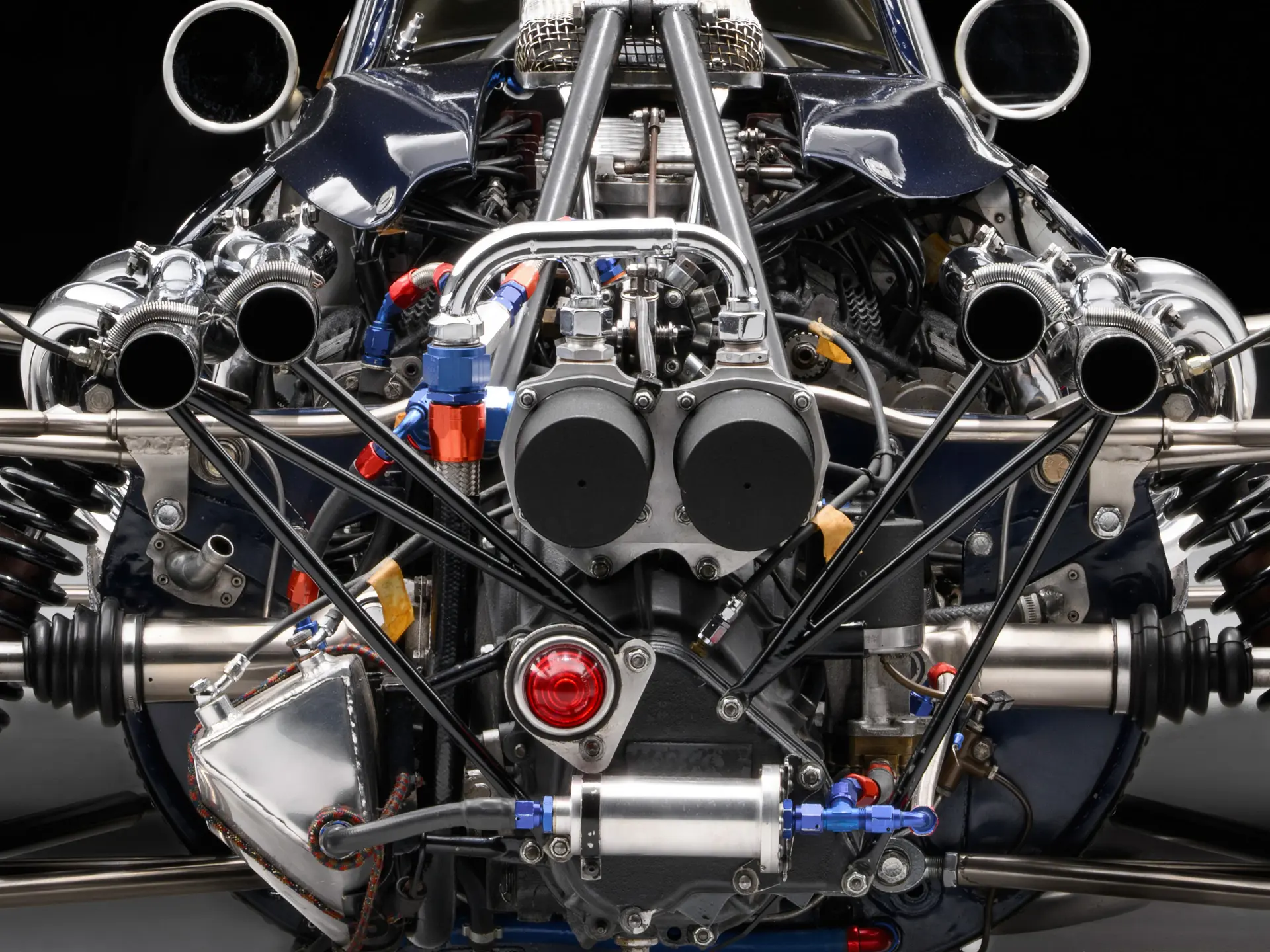
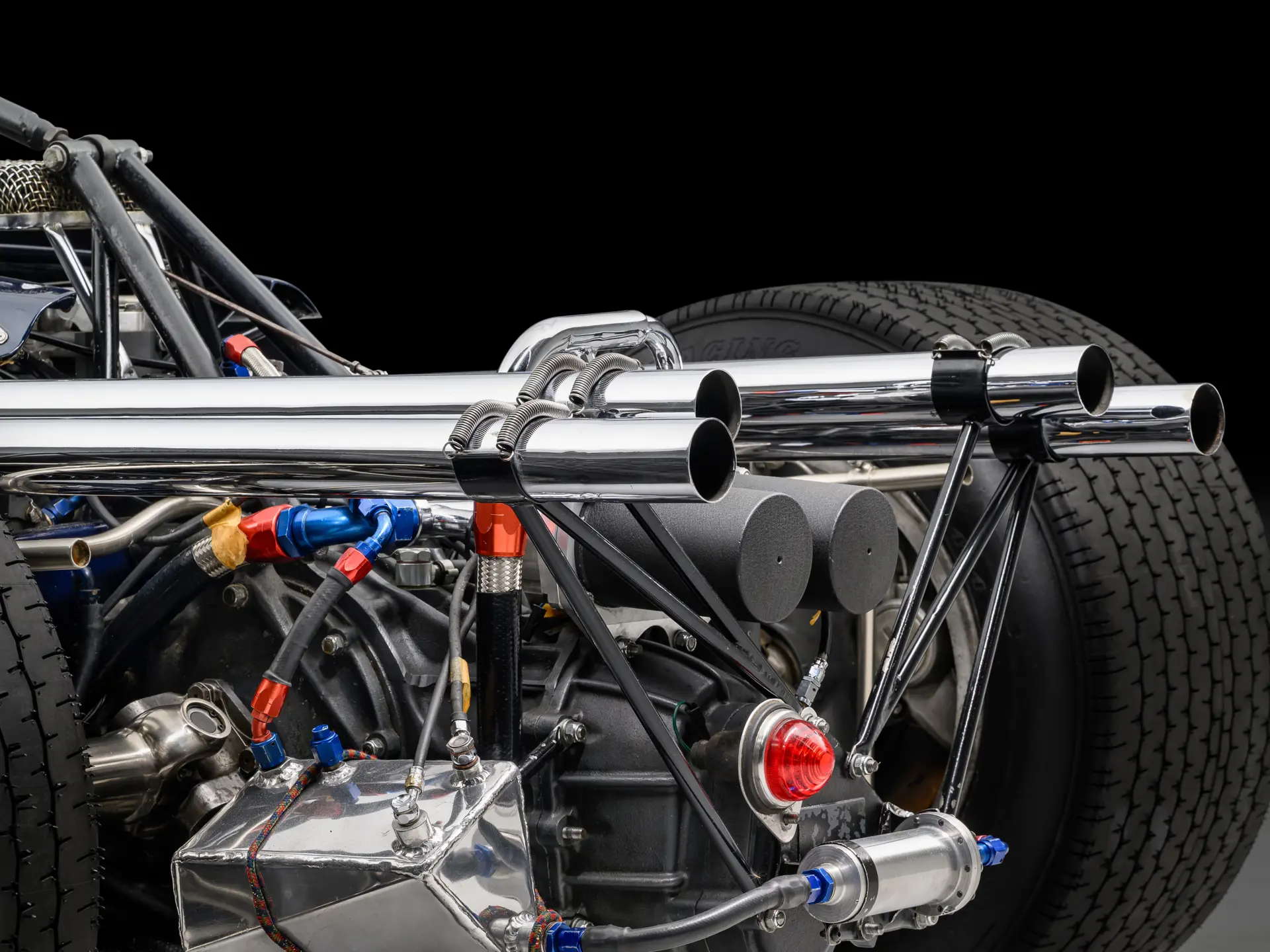
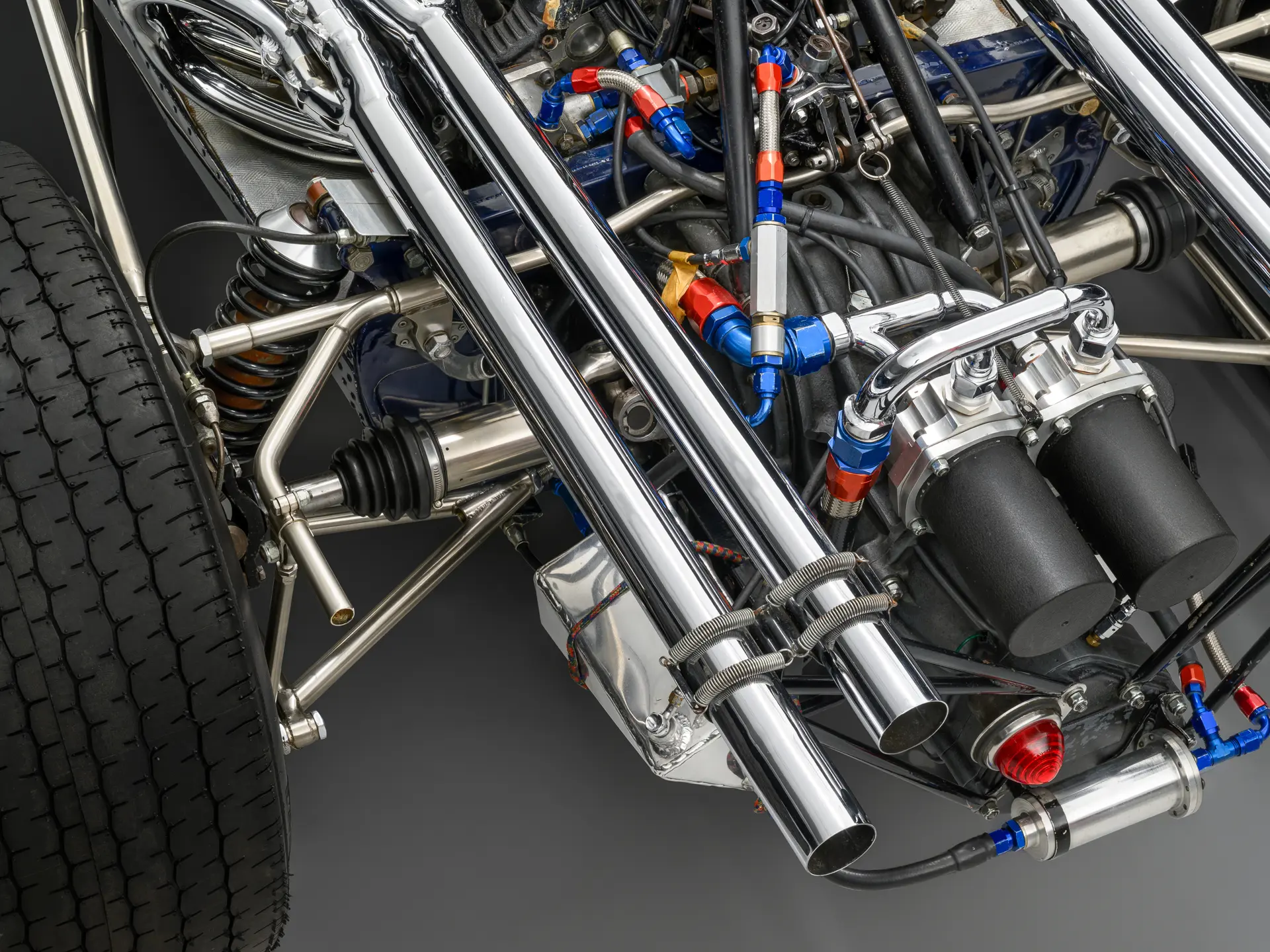
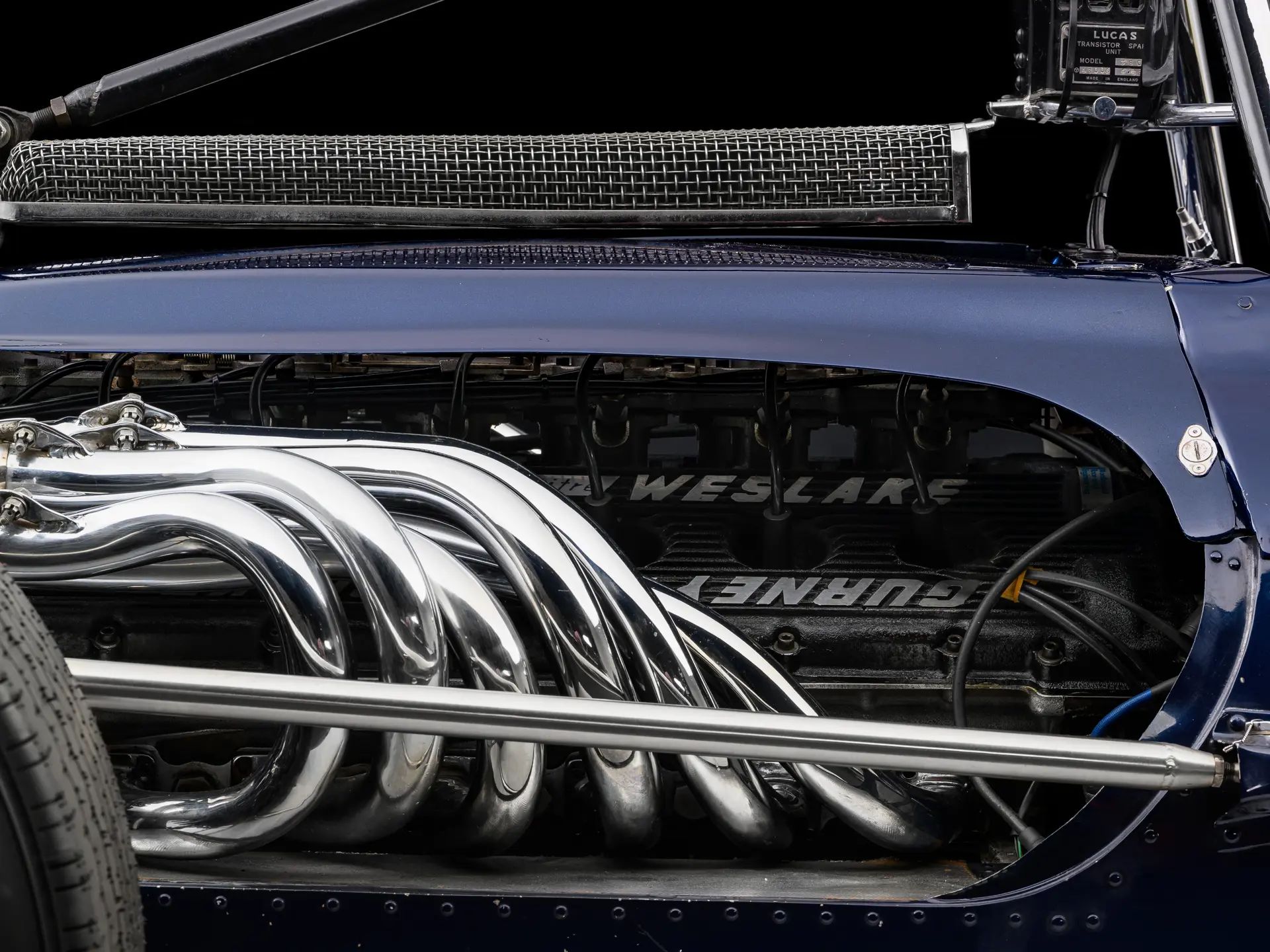
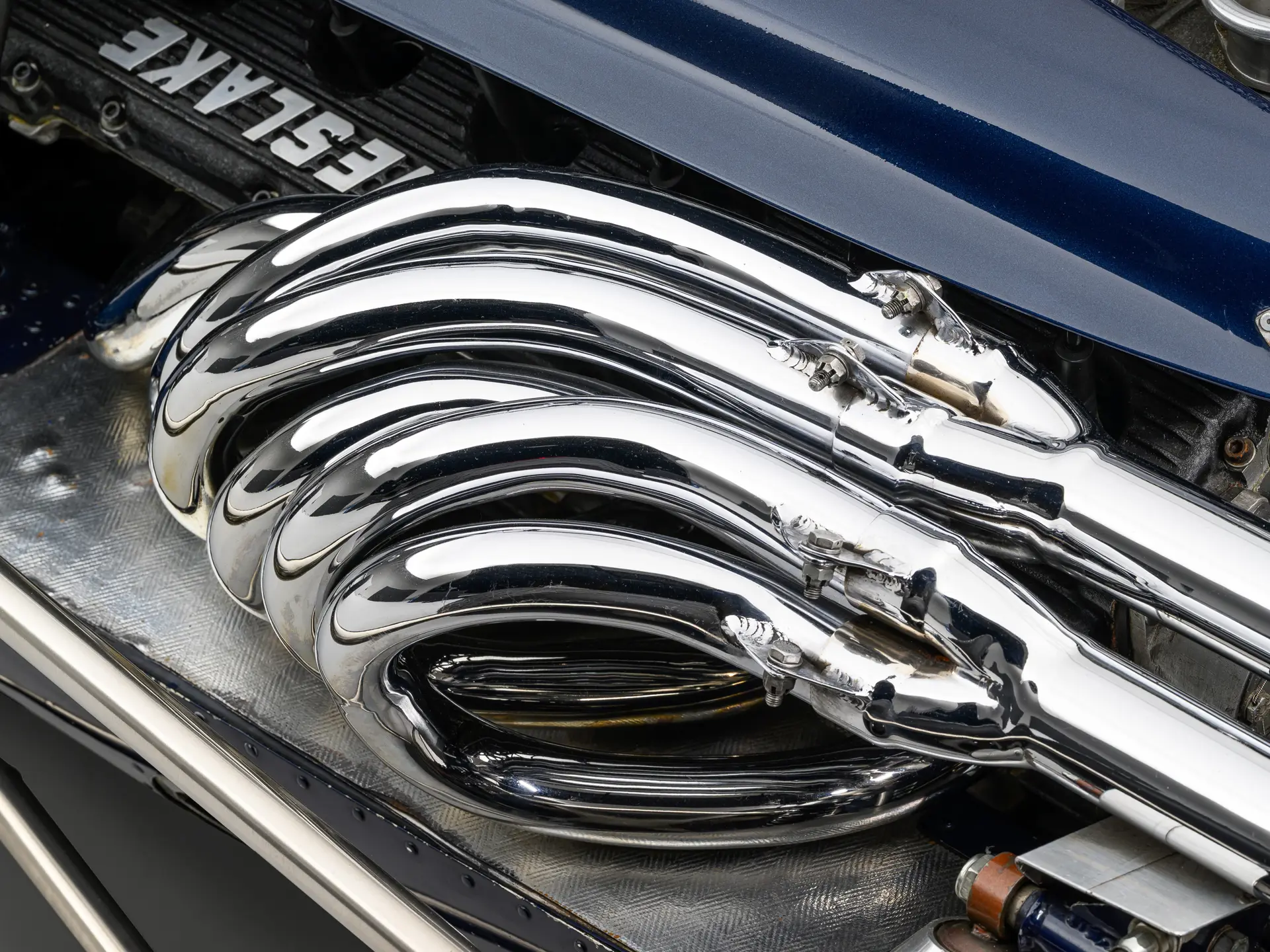
The engine is why engineers remember this car rather than only patriots. Gurney ordered six V12s from Weslake and Co. of Rye, East Sussex, in October 1965. Aubrey Woods, Weslake's chief designer, drew a 2,997 cc double-overhead-camshaft V12 with four valves per cylinder, 48 in total, at a time when most of the grid ran two or three.
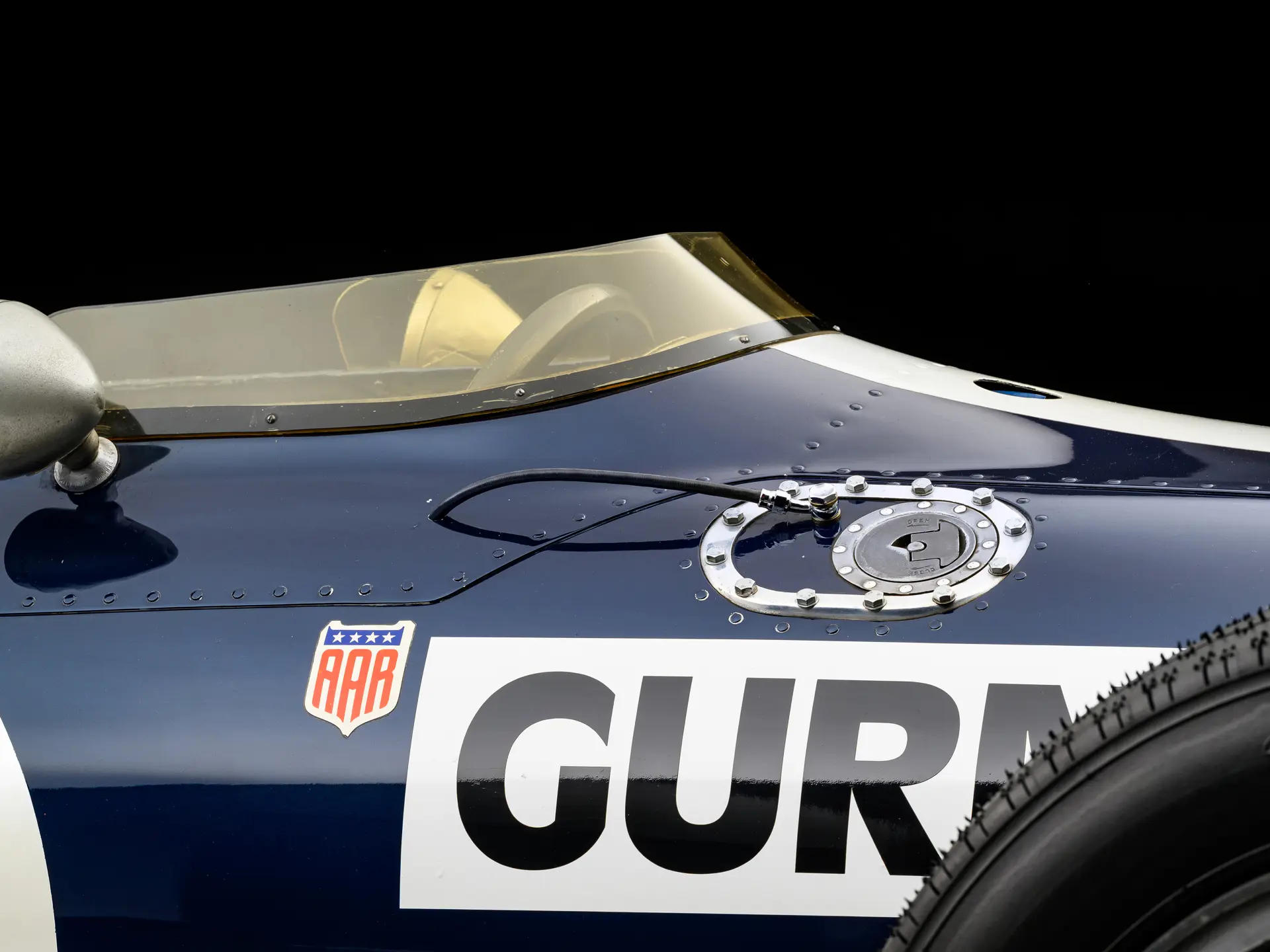
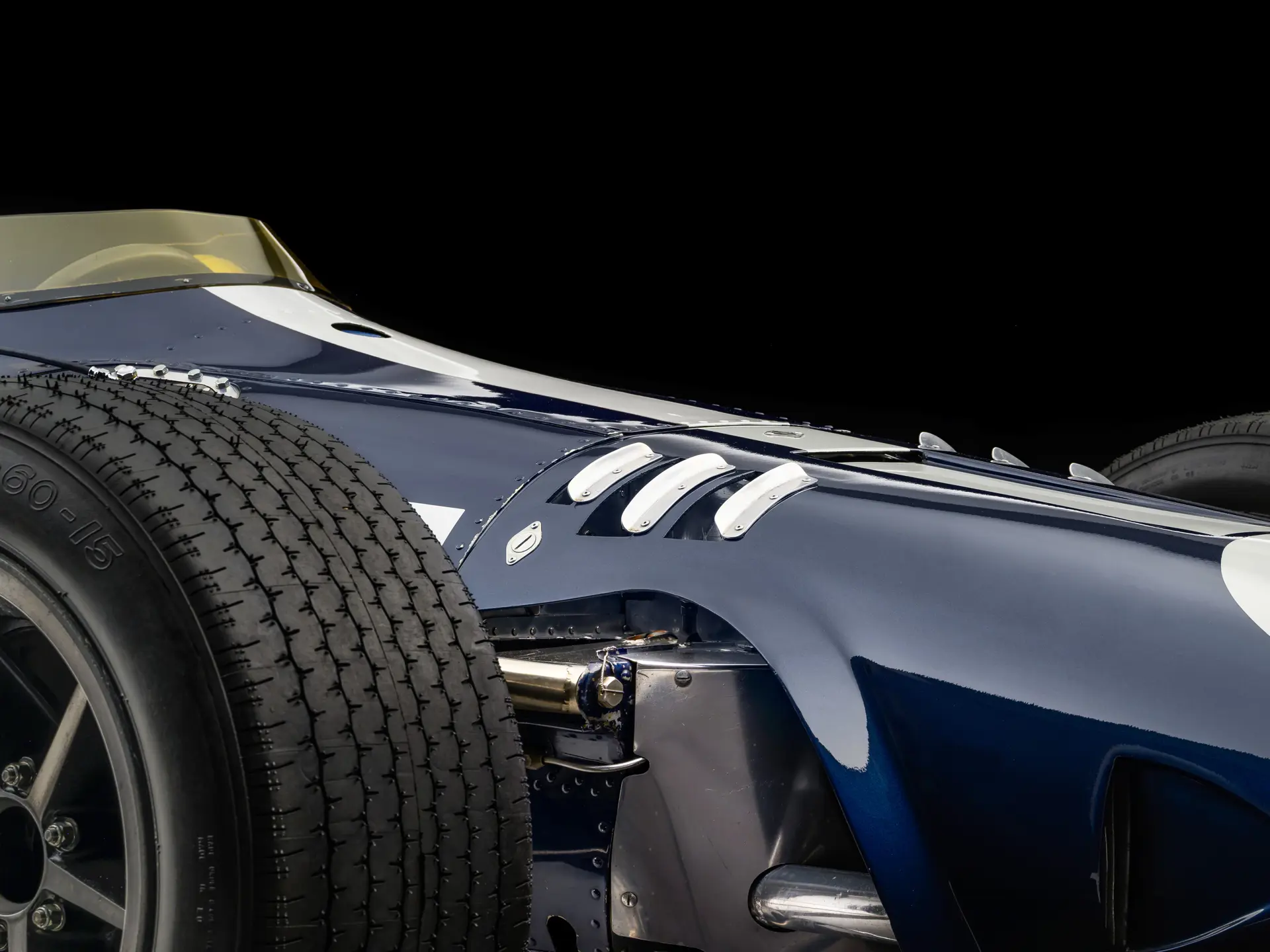
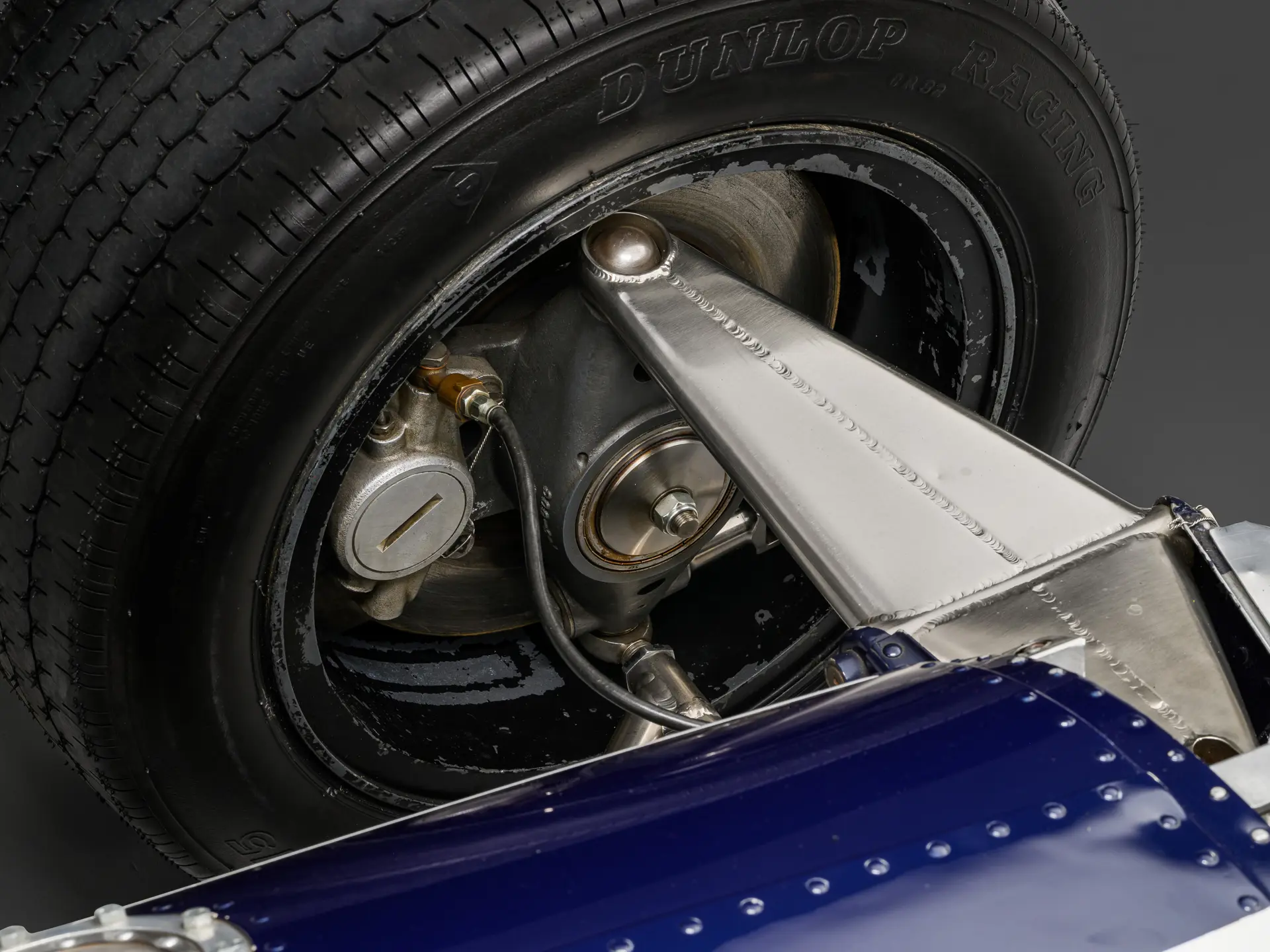
RM Sotheby's quotes 390 bhp at 10,500 rpm for chassis 103. Around the engine sits an 18-gauge aluminium monocoque by Len Terry, the designer of the Lotus 38 that won the 1965 Indianapolis 500, with a five-speed Hewland DG300 gearbox behind it. The car was finished in reversed American racing colours, dark blue with a white stripe.
The engineering was admired and fragile in equal measure. Chassis 103 retired from the 1967 Monaco Grand Prix after four laps when the belt driving the fuel injection pump failed, and that kind of fault followed the programme all season. A beautiful car that kept breaking is exactly the profile the catalogue has in mind when it groups the Eagle with the machines whose appeal rests on what might have been.
What chassis 103 actually did
Chassis 103 was the second of the three V12 cars. It made its debut on 12 March 1967 at the Race of Champions at Brands Hatch, a non-championship event that nevertheless drew works entries from Ferrari, Honda, Brabham, Cooper and Matra. Richie Ginther finished tenth in 103; Gurney won the race outright in chassis 102.
Its championship season was short. Monaco ended after four laps. At Mosport in August it finished third in the Canadian Grand Prix behind Jack Brabham and Denny Hulme, which remains its best result. At Monza, with Ludovico Scarfiotti driving, the engine failed after a single lap.
Three drivers of genuine standing sat in it: Gurney, Ginther, a Grand Prix winner for Honda, and Scarfiotti, who had won the 1966 Italian Grand Prix for Ferrari. For a car with four period starts that is an unusually strong list, and provenance of this kind is priced.
Dan Gurney, the man the price is really about
Gurney won Grands Prix for Porsche and for Brabham, won Le Mans outright in 1967 alongside A.J. Foyt, and raced at the front at Indianapolis. He is one of a very small group to have won in Formula 1, at Le Mans and in American open-wheel racing, and the only one who then built a Formula 1 car that won.
He is also the reason podium champagne is sprayed rather than drunk. On the Le Mans podium in 1967, days after Spa, he shook the bottle over the photographers. The gesture became the most reproduced ritual in motor sport, and it belongs to the same few weeks as this car's season.
Collector markets pay for narrative, and this one is unusually clean. All American Racers began in 1964 in conversations between Gurney and Carroll Shelby, was funded by Goodyear, and worked from a shop in Santa Ana with a satellite in Rye trading as Anglo-American Racers. Every part of that story is documented, and none of it needs embellishment.
So why $7 million to $9 million?
Add the elements up. A record that has stood for fifty-nine years and cannot now be taken away. A category of two privately held cars. A bespoke 48-valve V12 built for one team. A driver and constructor who is among the most admired figures the sport has produced. A documented ownership chain since 1969 and a single collection since 2002.
Then add access. RM Sotheby's states that the car is eligible for the most prestigious historic events, including the Monaco Grand Prix Historique and the Rolex Monterey Motorsports Reunion. Eligibility of that quality turns a static asset into an entry ticket, and buyers at this level price the invitation as well as the object.
There is a caveat, and it belongs inside the estimate rather than outside it. The car is sold on a bill of sale only, with no registration, and specialists who have examined it recently report that it needs technical preparation before it runs again. Neither point is unusual for a period Grand Prix car, but both are work and cost for the buyer, and both help explain why the range opens at $7 million rather than higher.