This $3 million McLaren Solus GT began as a video game car
Chassis 20 of 25, a single-seat track car with a Judd-derived V10 revving to 10,000 rpm, comes to RM Sotheby's Monterey sale on 14 August 2026 estimated at $2.5 to $3 million.
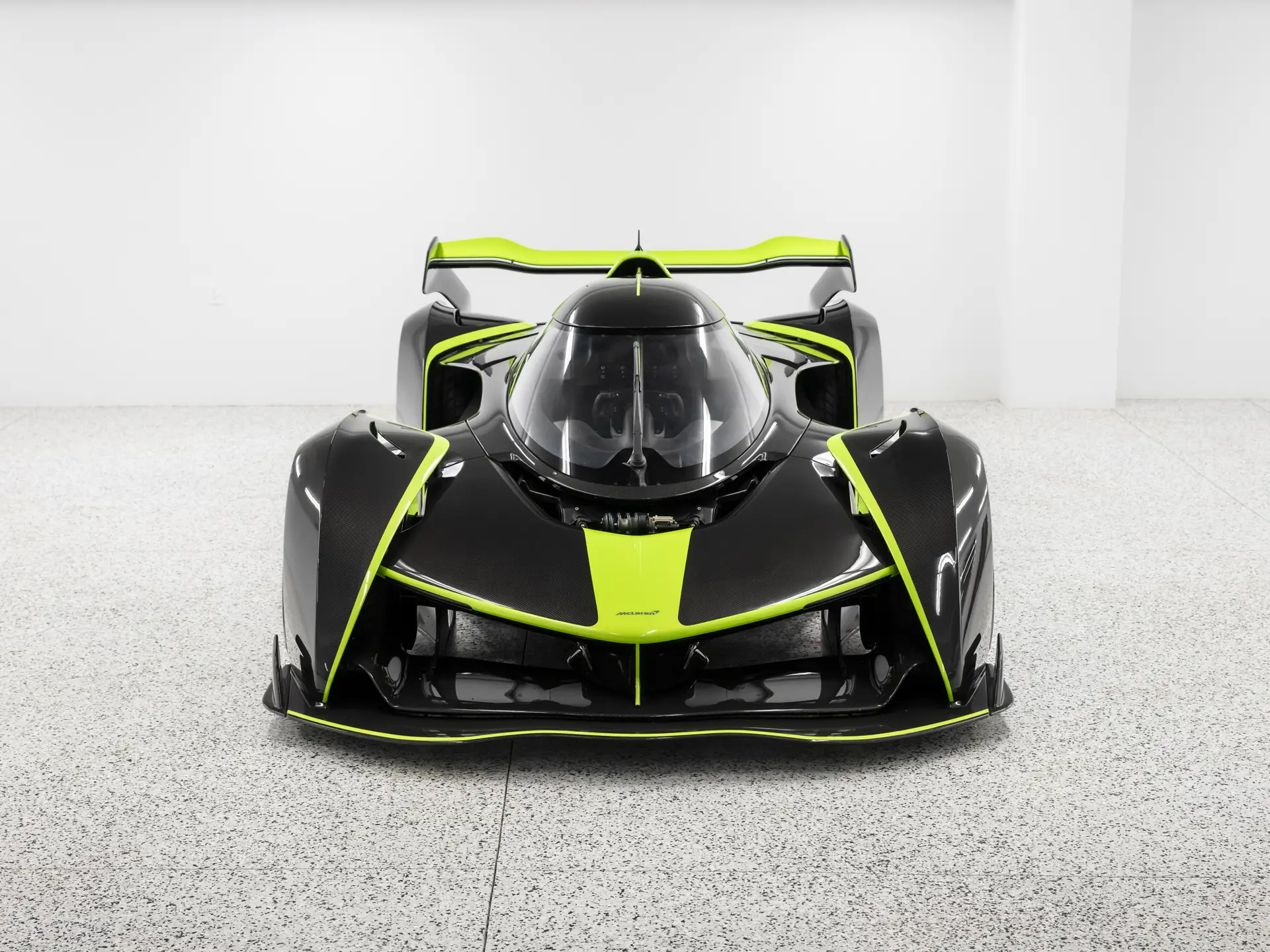
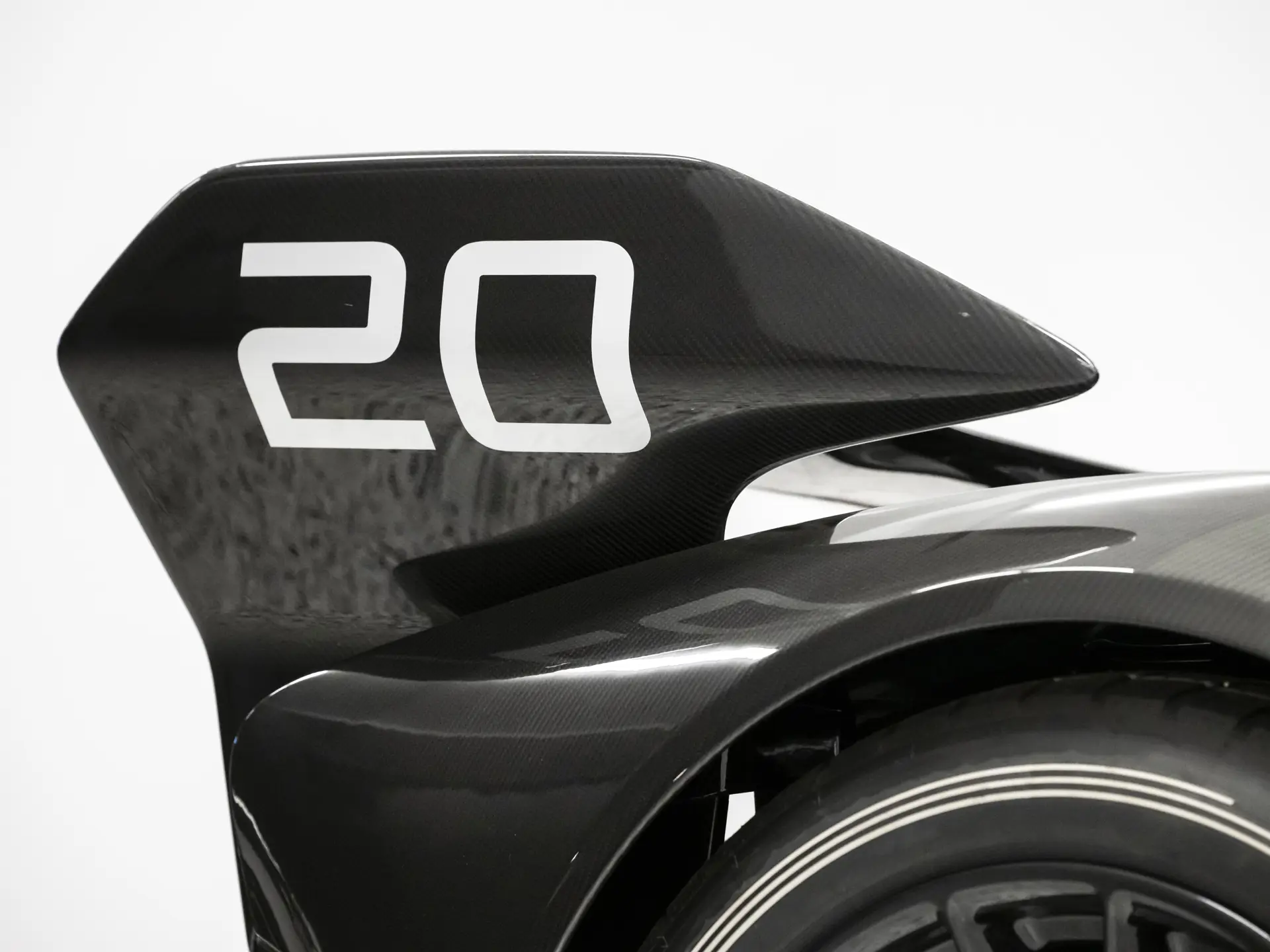
In 2017 McLaren designed a car that could not be built. It was the Ultimate Vision Gran Turismo, made for Sony's Gran Turismo Sport, and it existed only on screen. Five years later McLaren built it anyway, in a run of 25 cars, and called it the Solus GT. Chassis 20 of 25 is lot 217 at RM Sotheby's Monterey sale on Friday 14 August 2026, estimated at $2,500,000 to $3,000,000.
The lot, and one line in the catalogue that matters
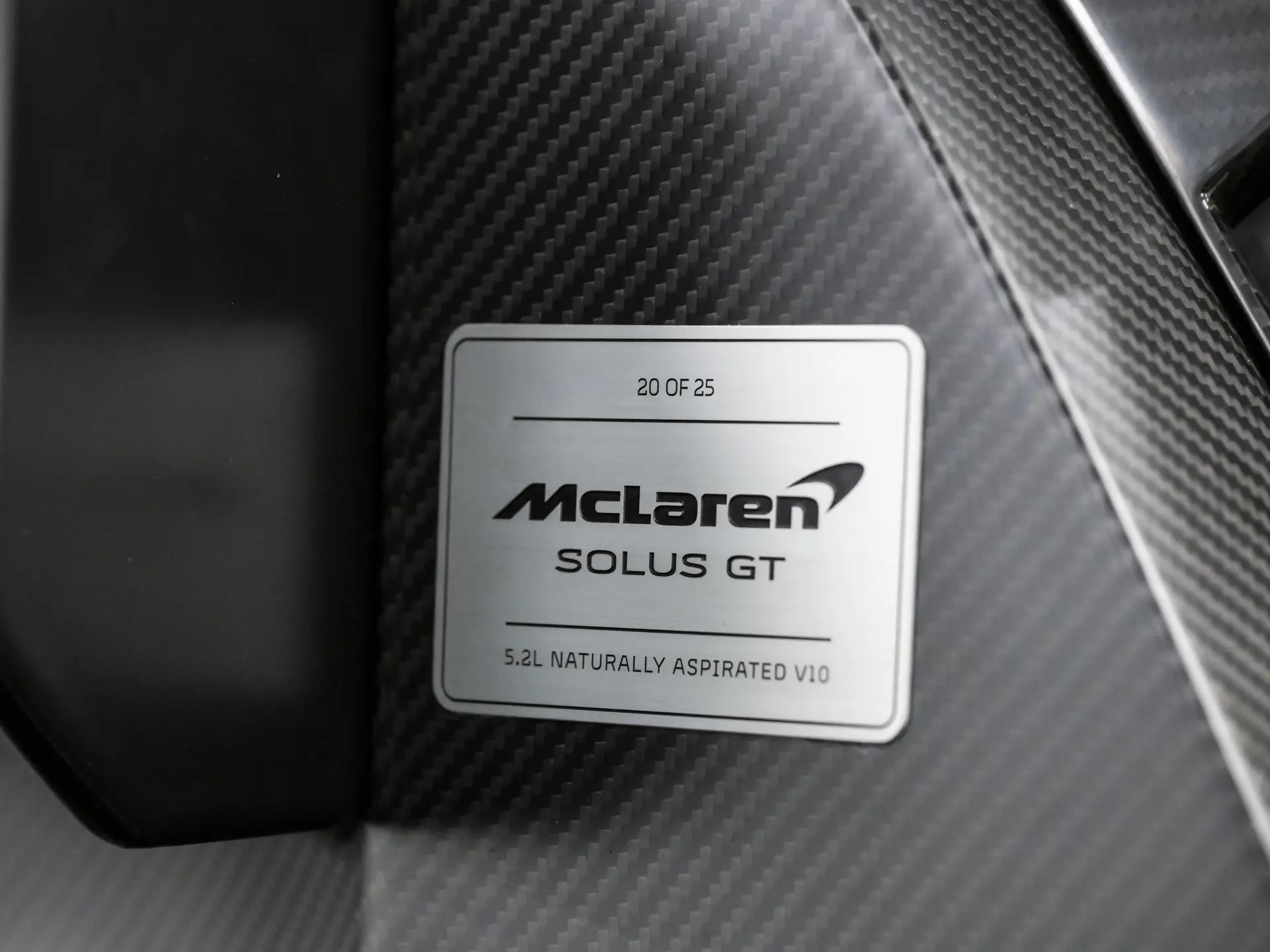
RM Sotheby's estimates the car at $2,500,000 to $3,000,000, with indicative equivalents of €2,200,000 to €2,650,000, £1,850,000 to £2,250,000 and CHF 2,000,000 to 2,450,000. The chassis number is SBMBC8AT7PW000020 and the serial number is 20 of 25. It is offered from The Driver's Philosophy Collection and located in Monterey, California.
The line worth pausing on is the registration field, which reads Bill of Sale Only. The Solus GT was never homologated for road use anywhere. There is no registration to transfer because there has never been one. Whoever buys this car is buying a track car, and the running costs, transport and circuit access that come with it.
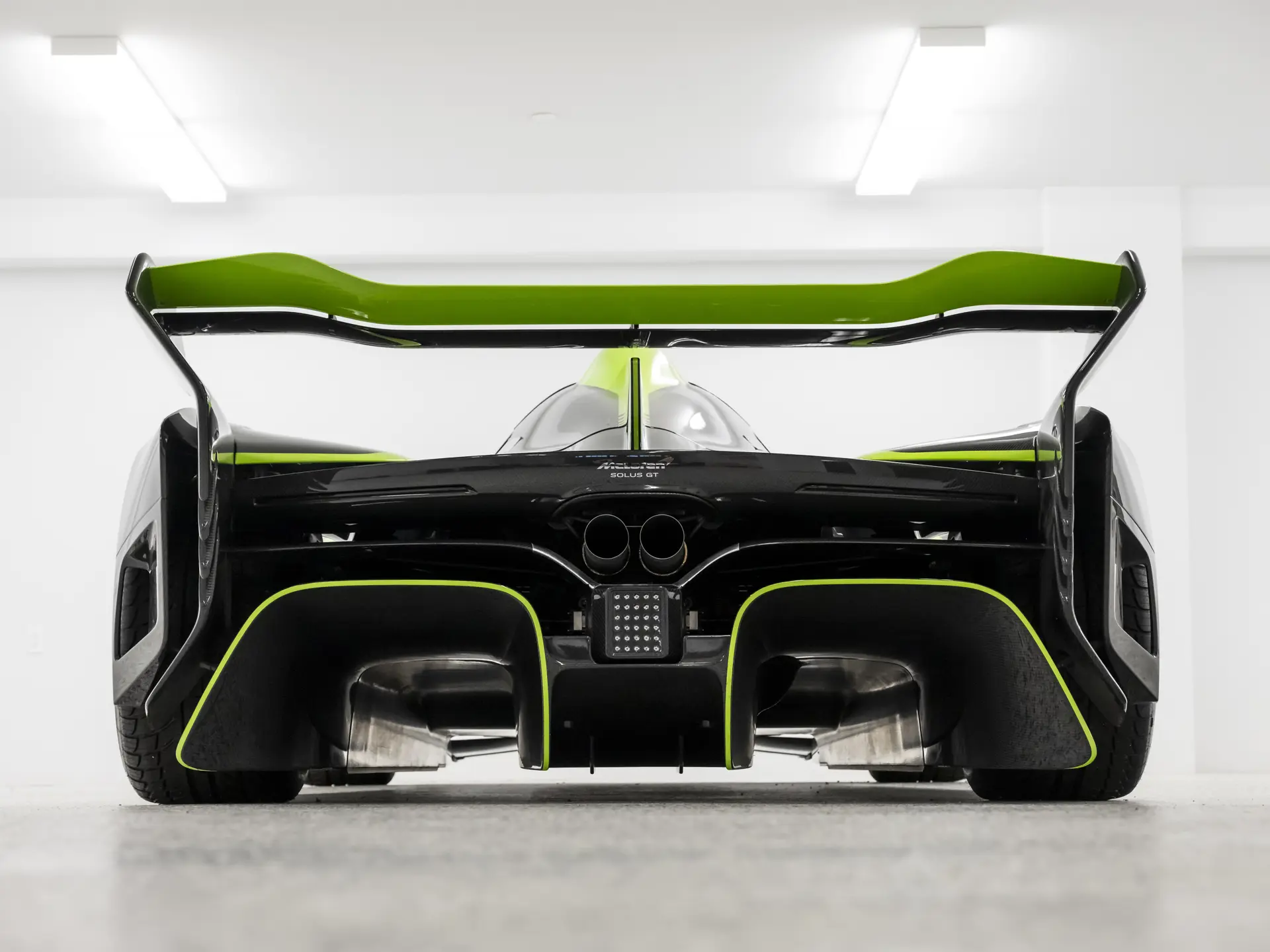
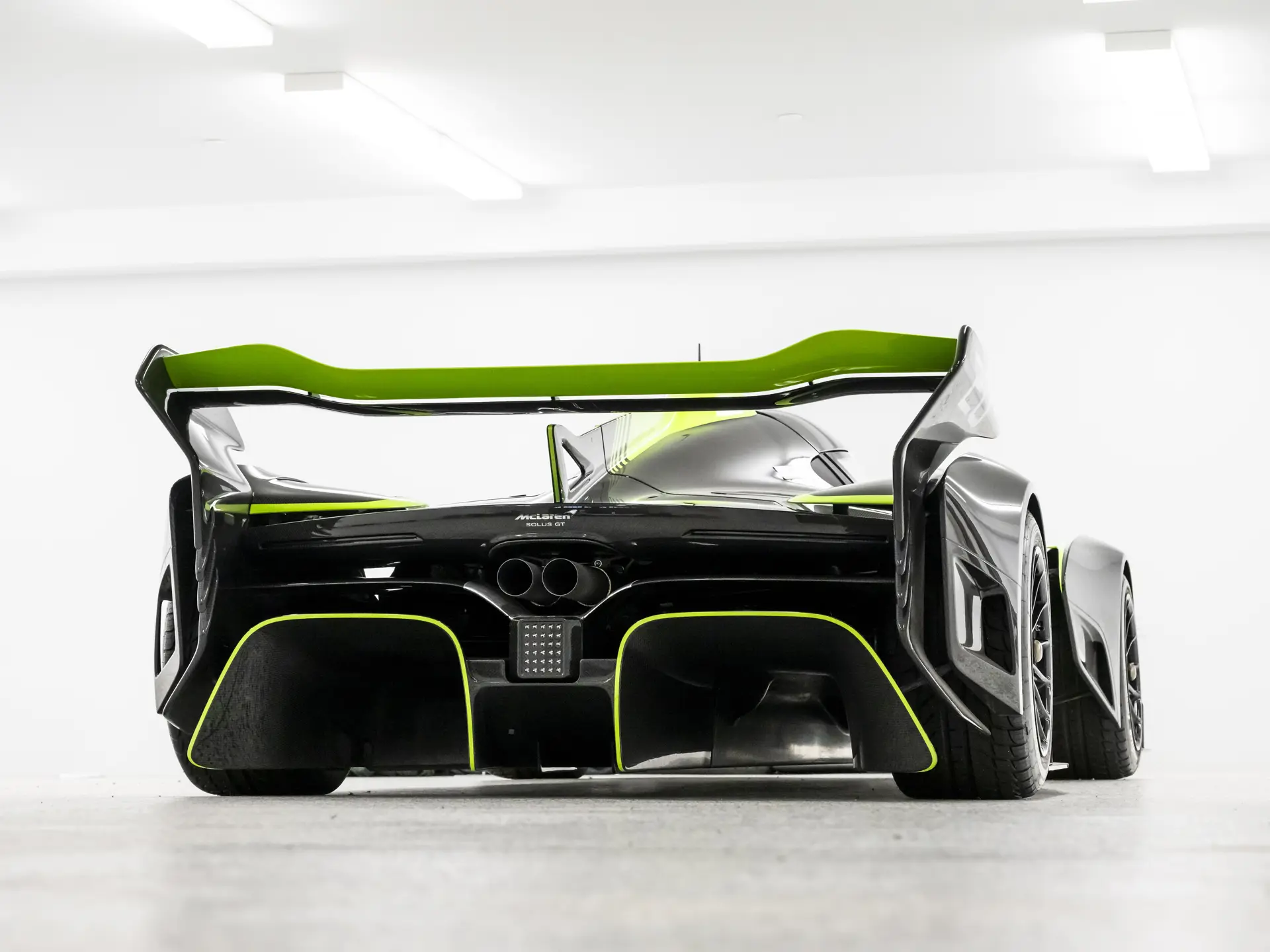
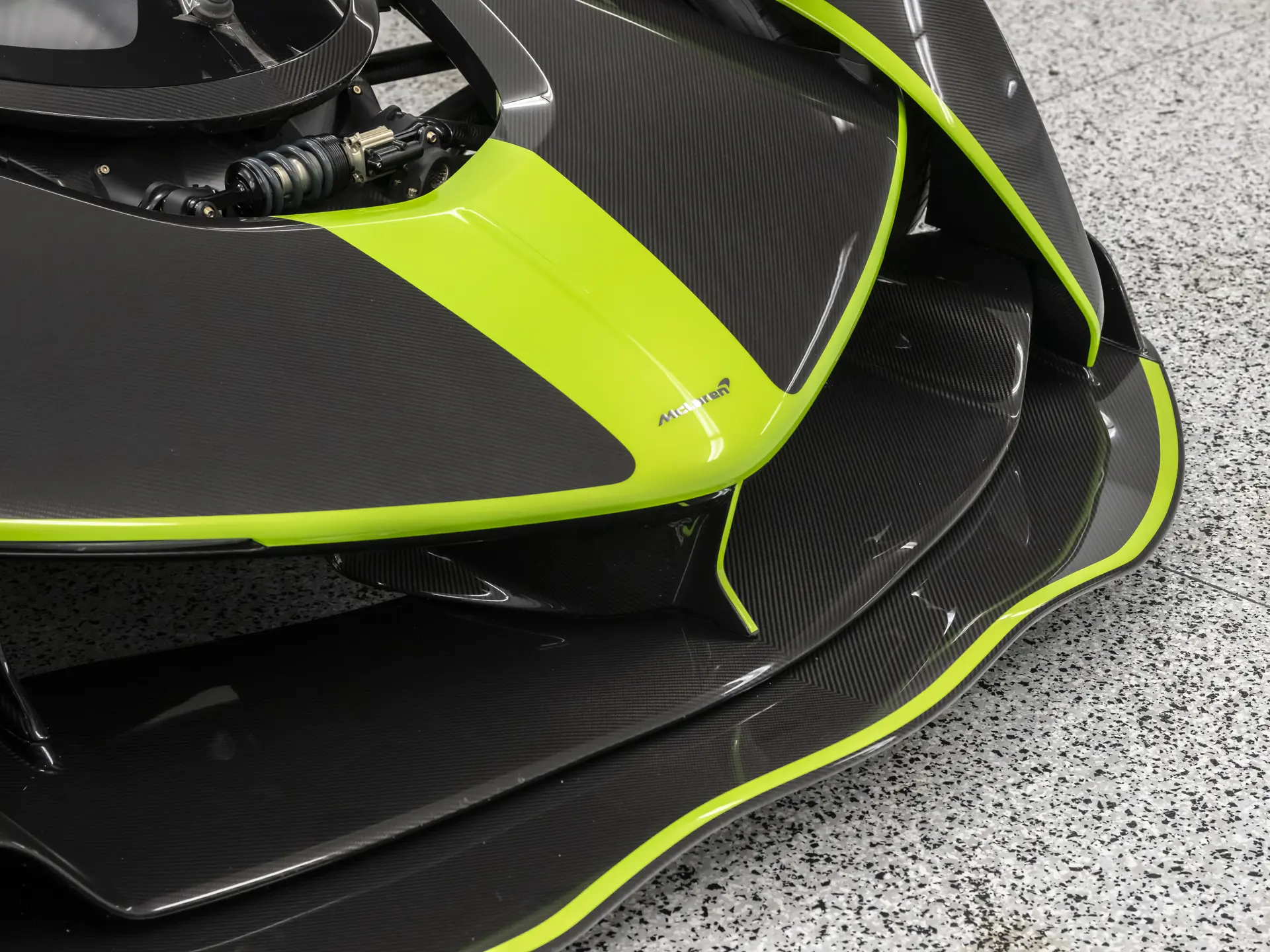
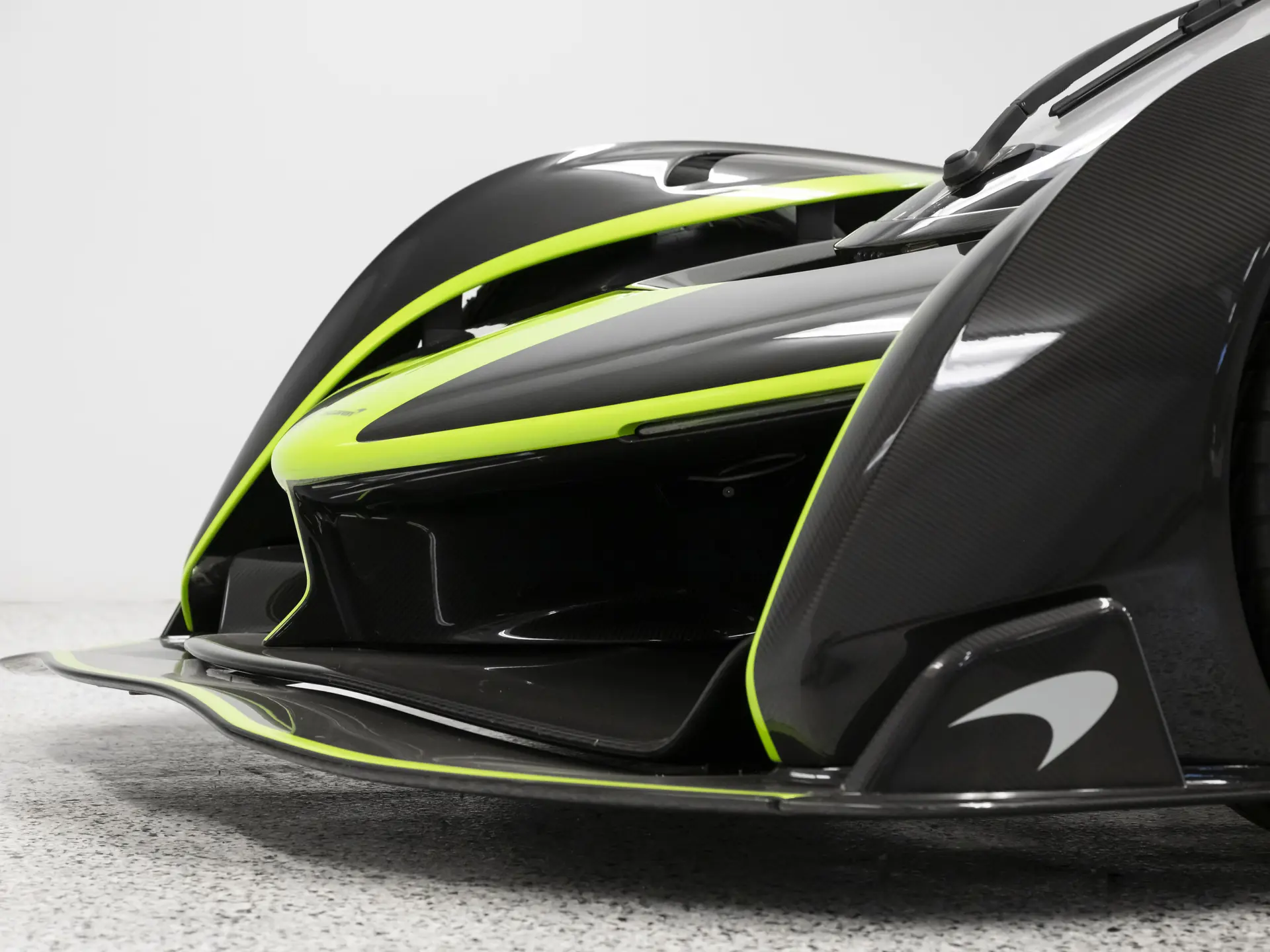
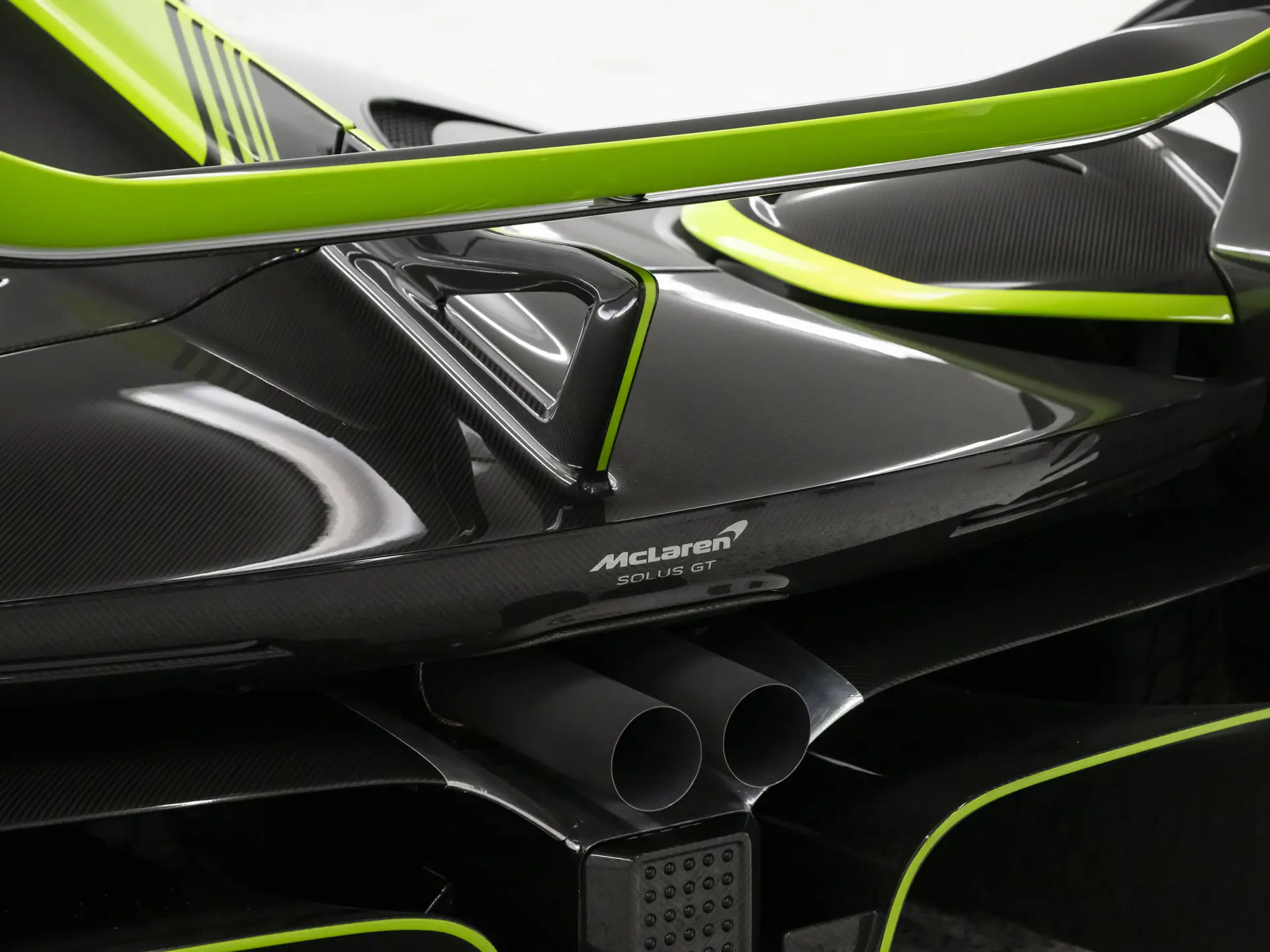
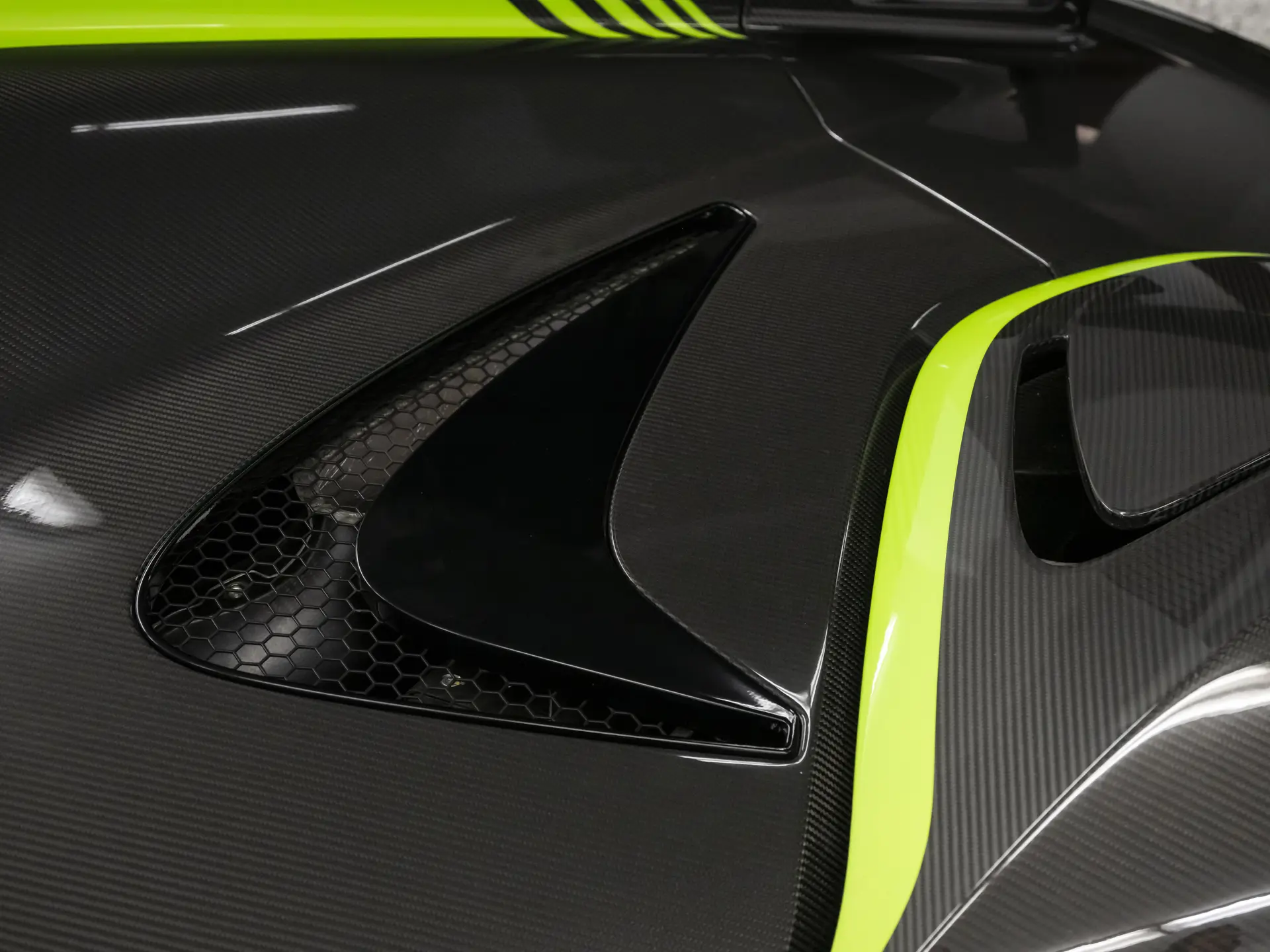
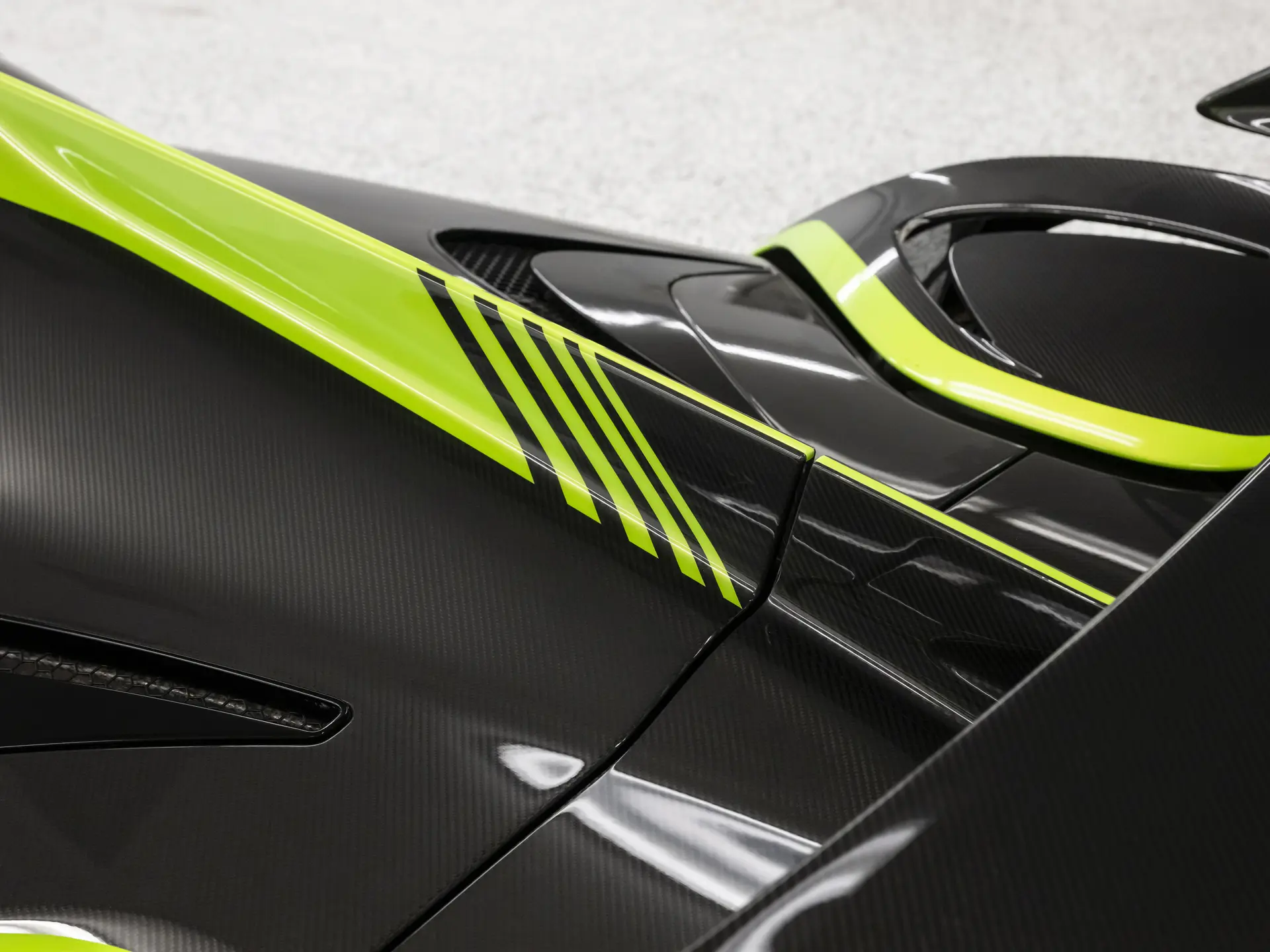
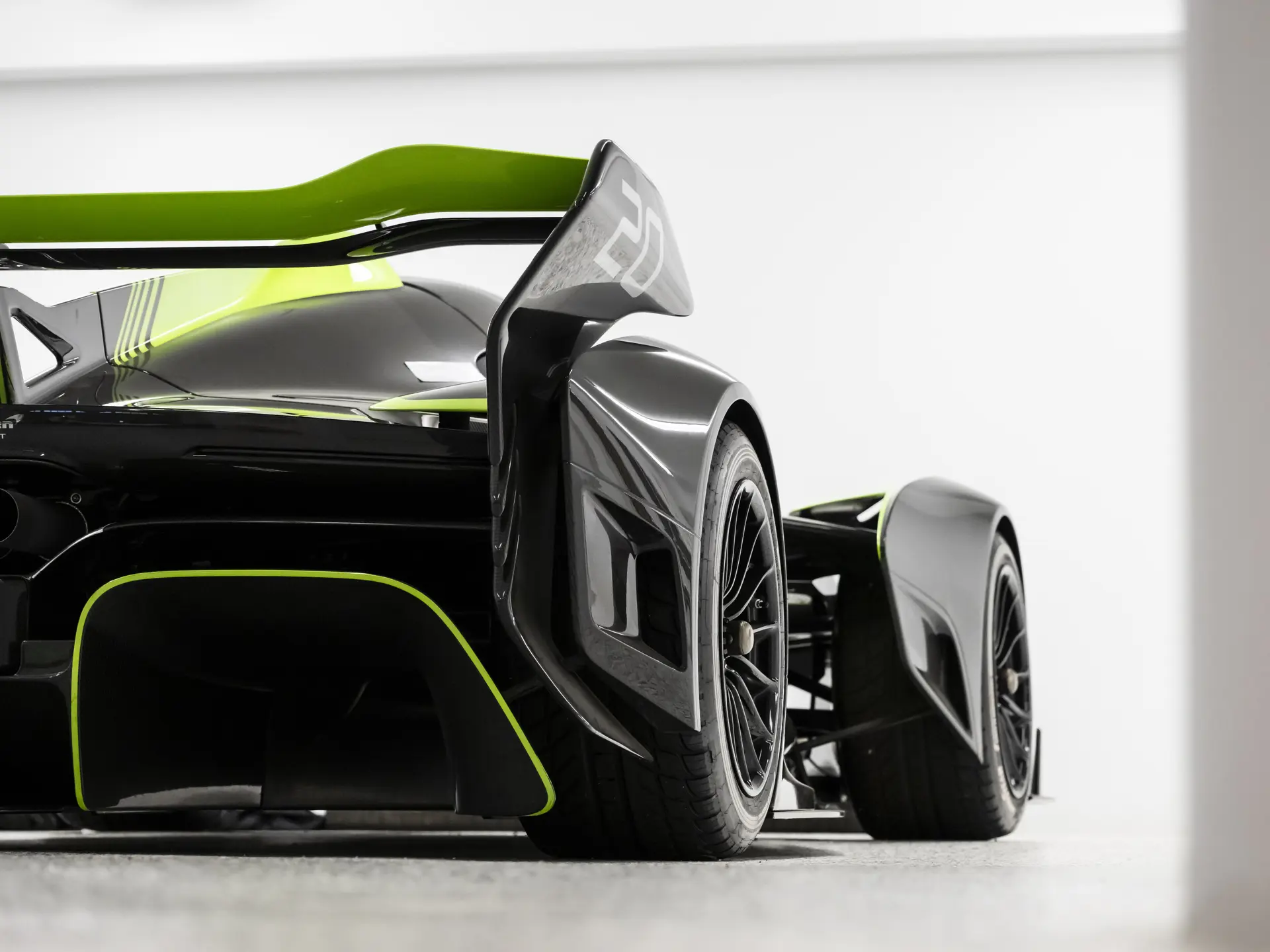
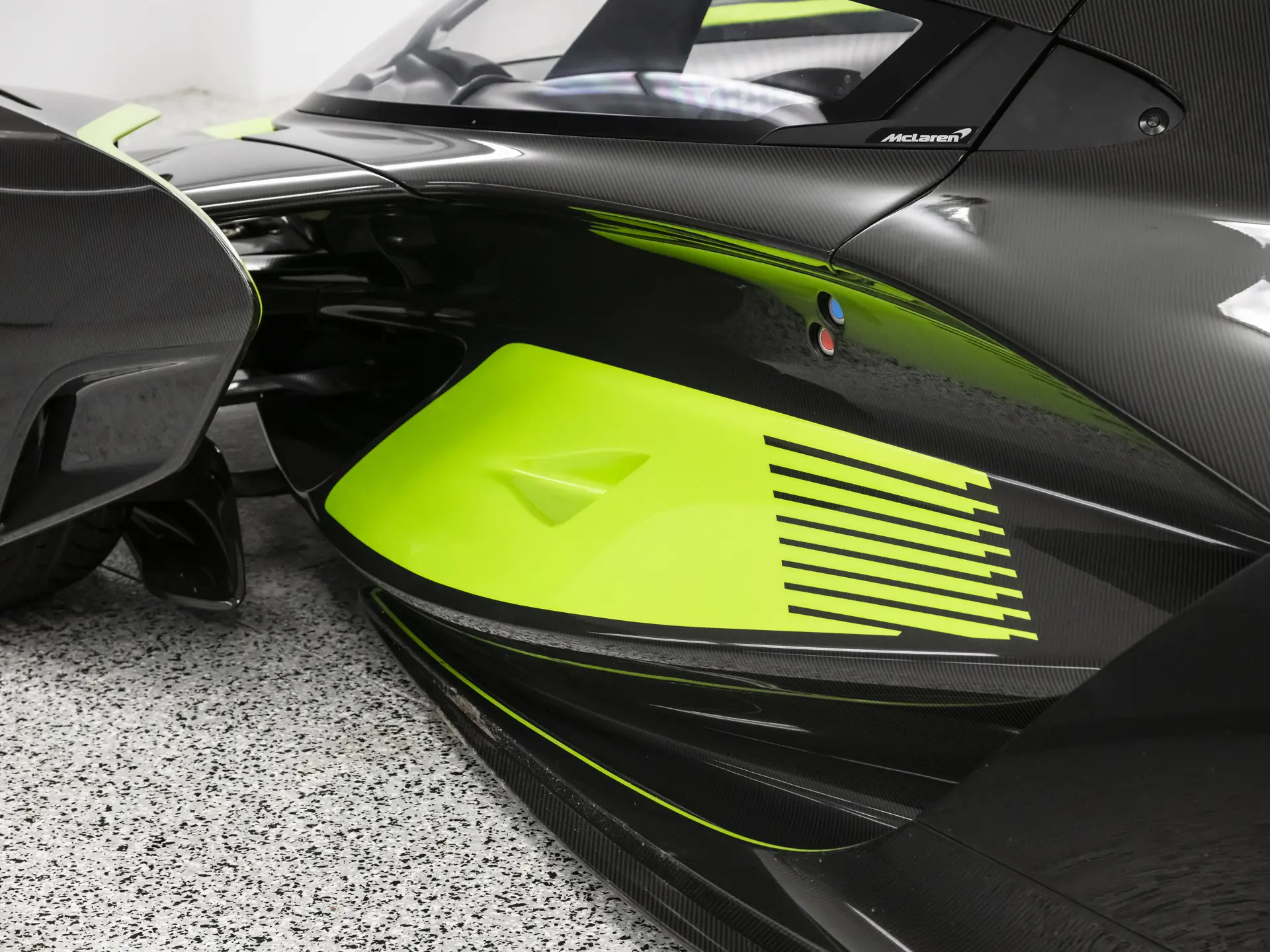
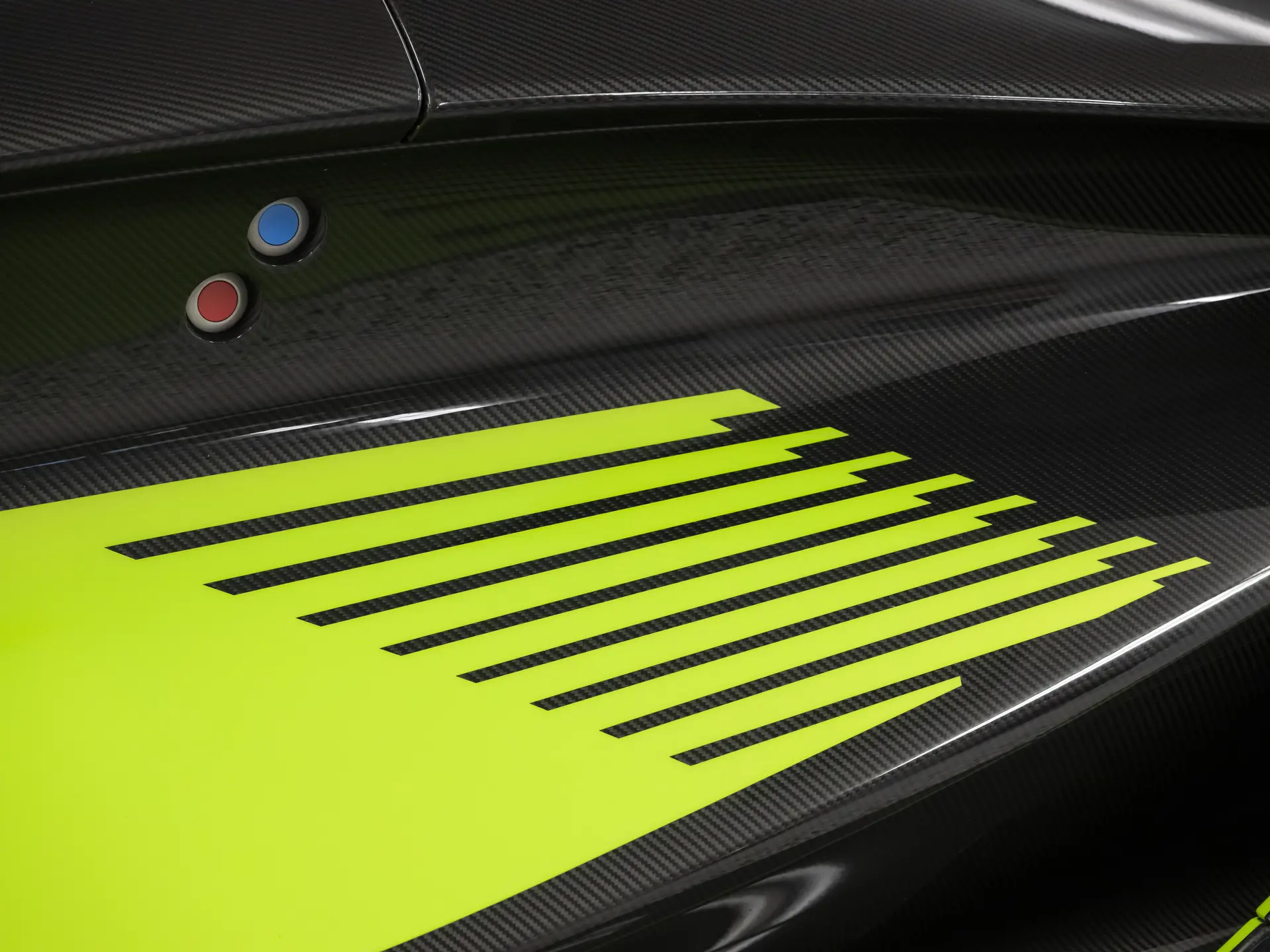
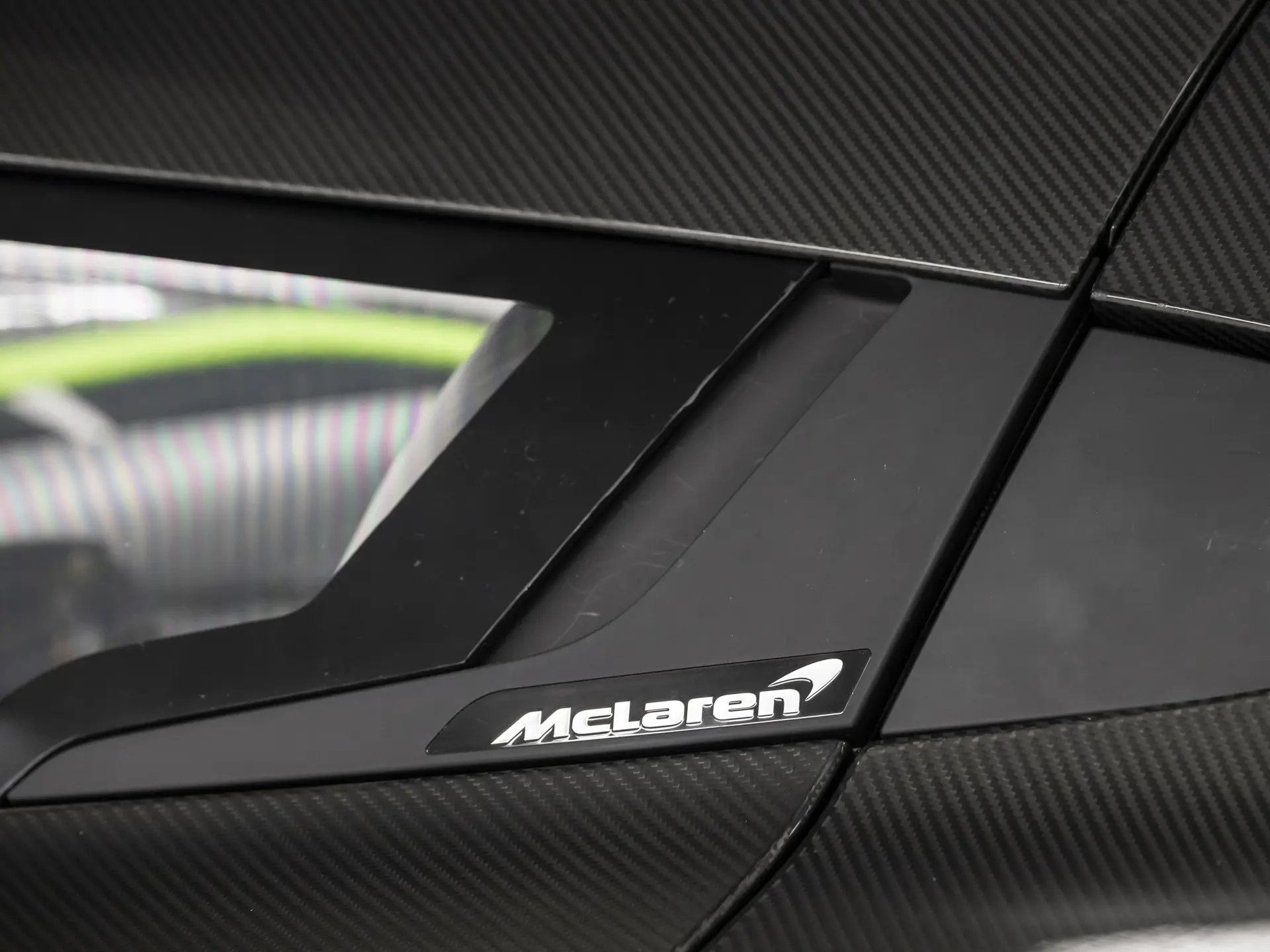
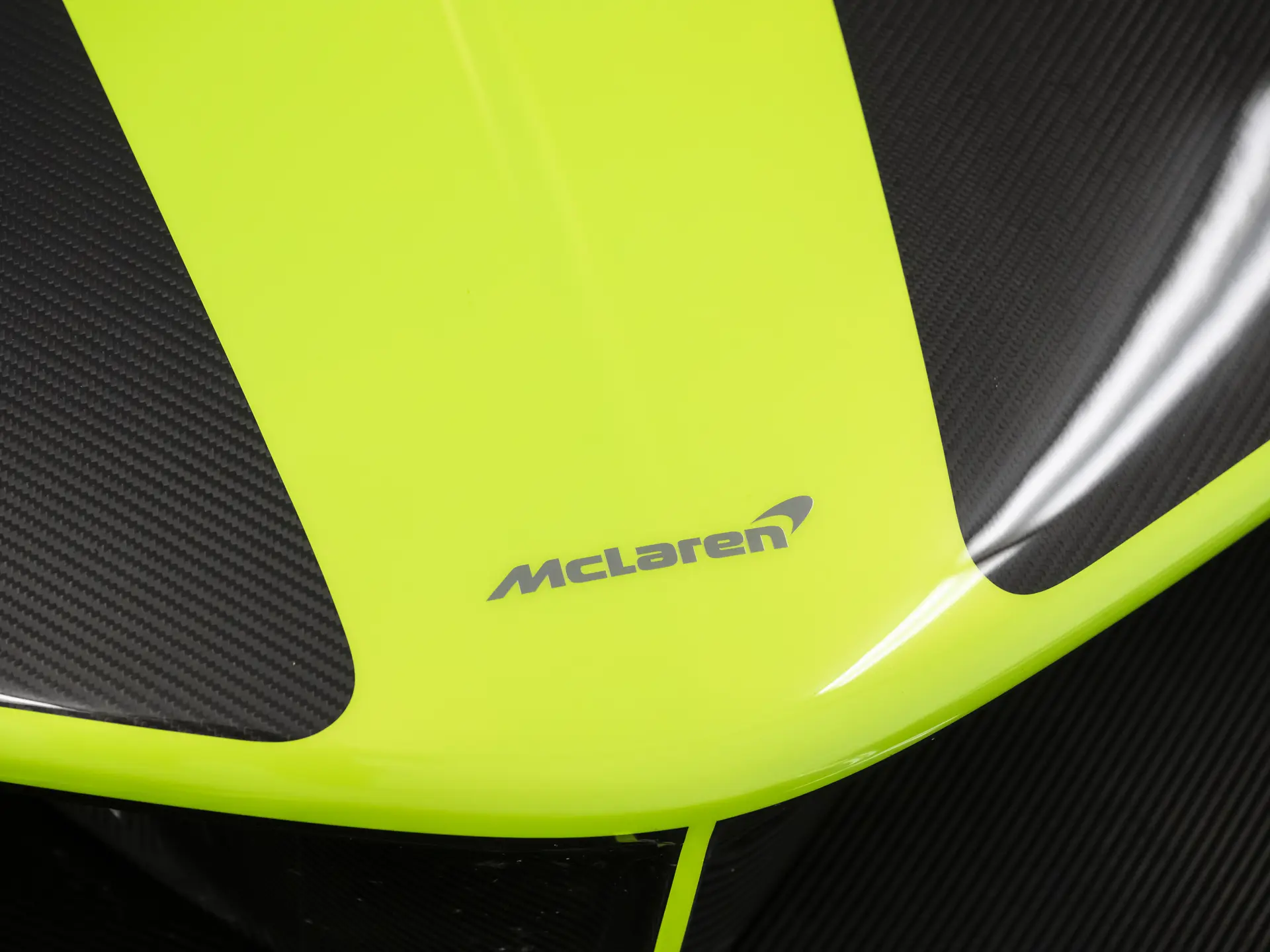
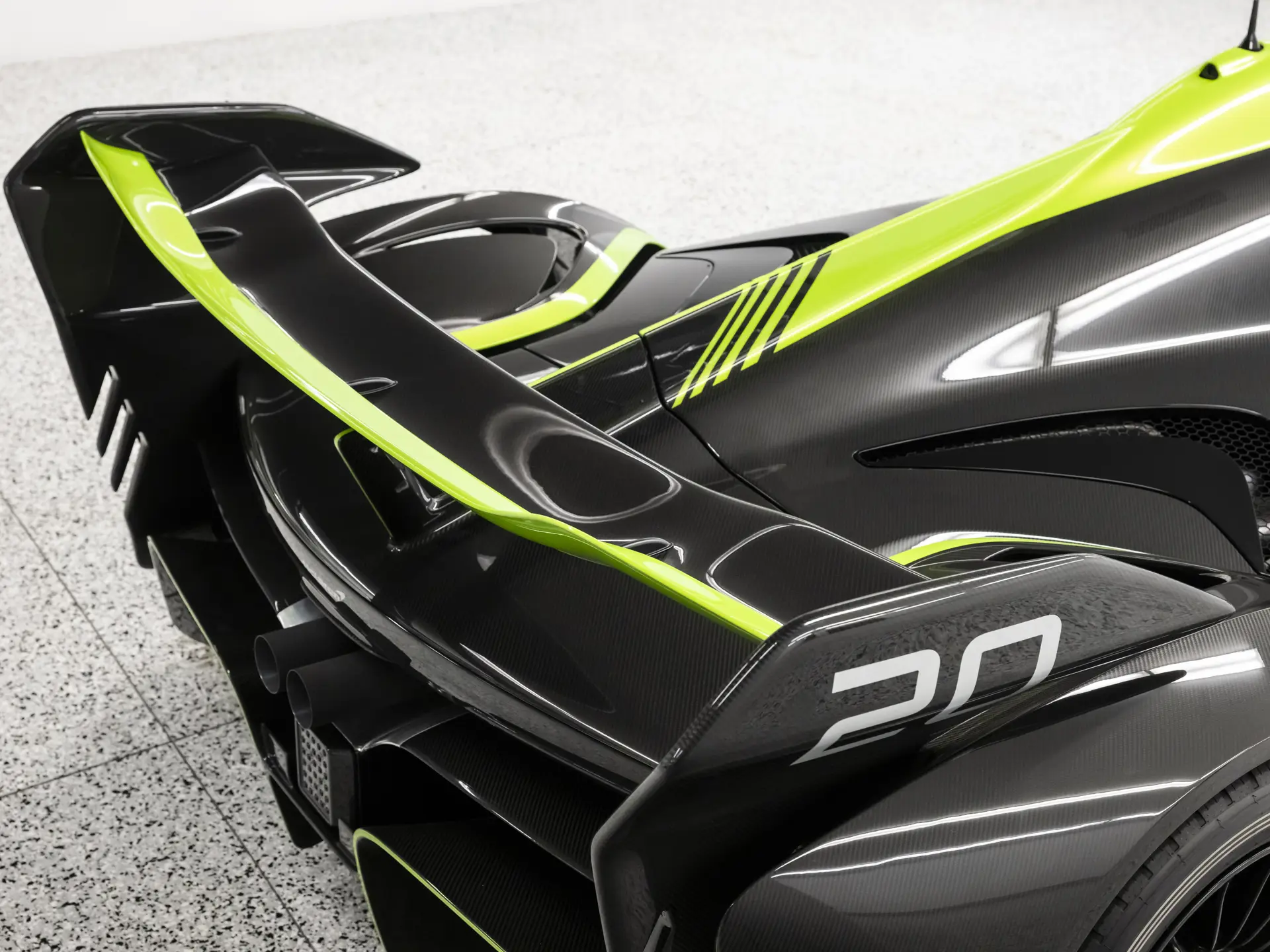
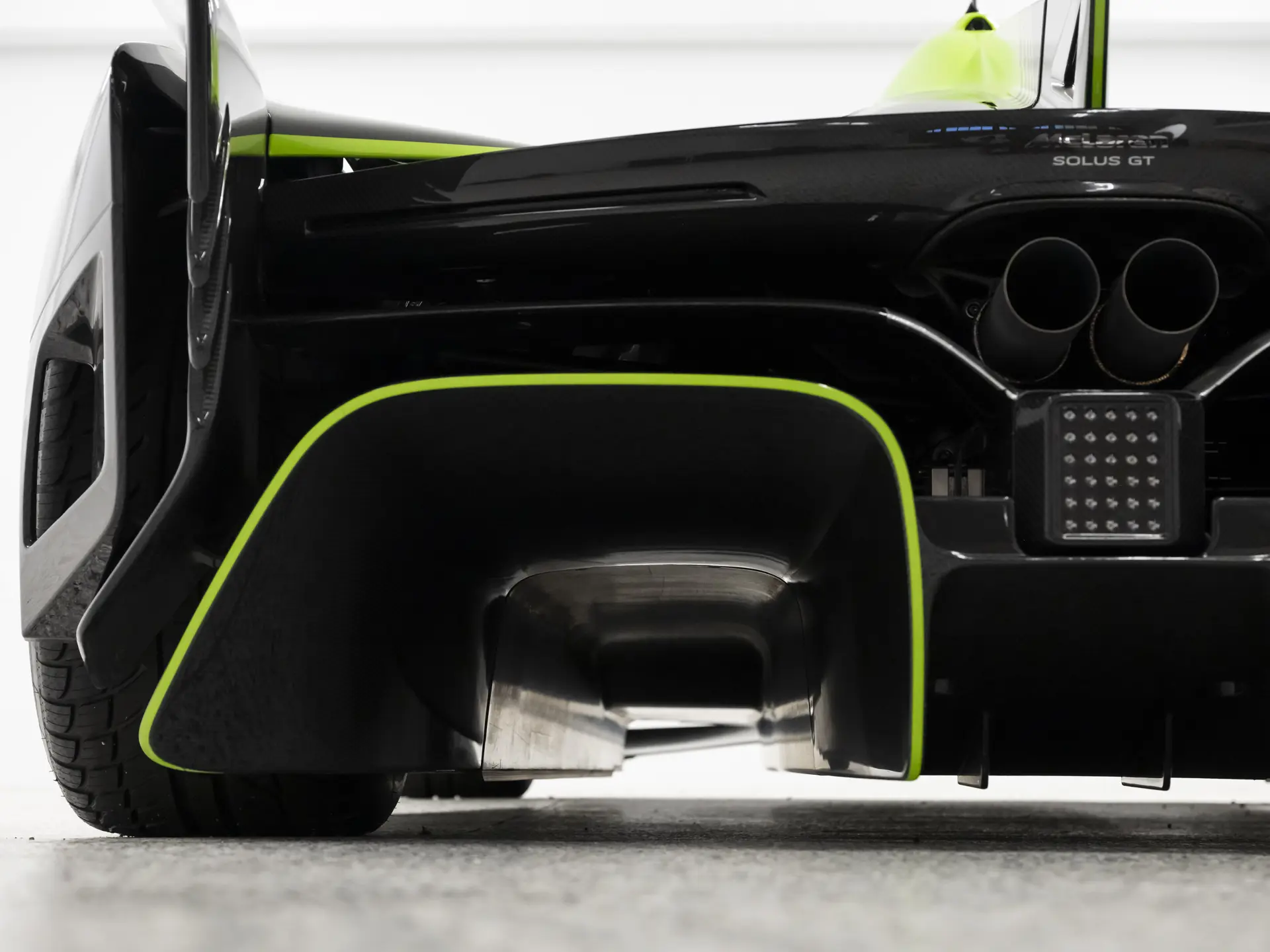
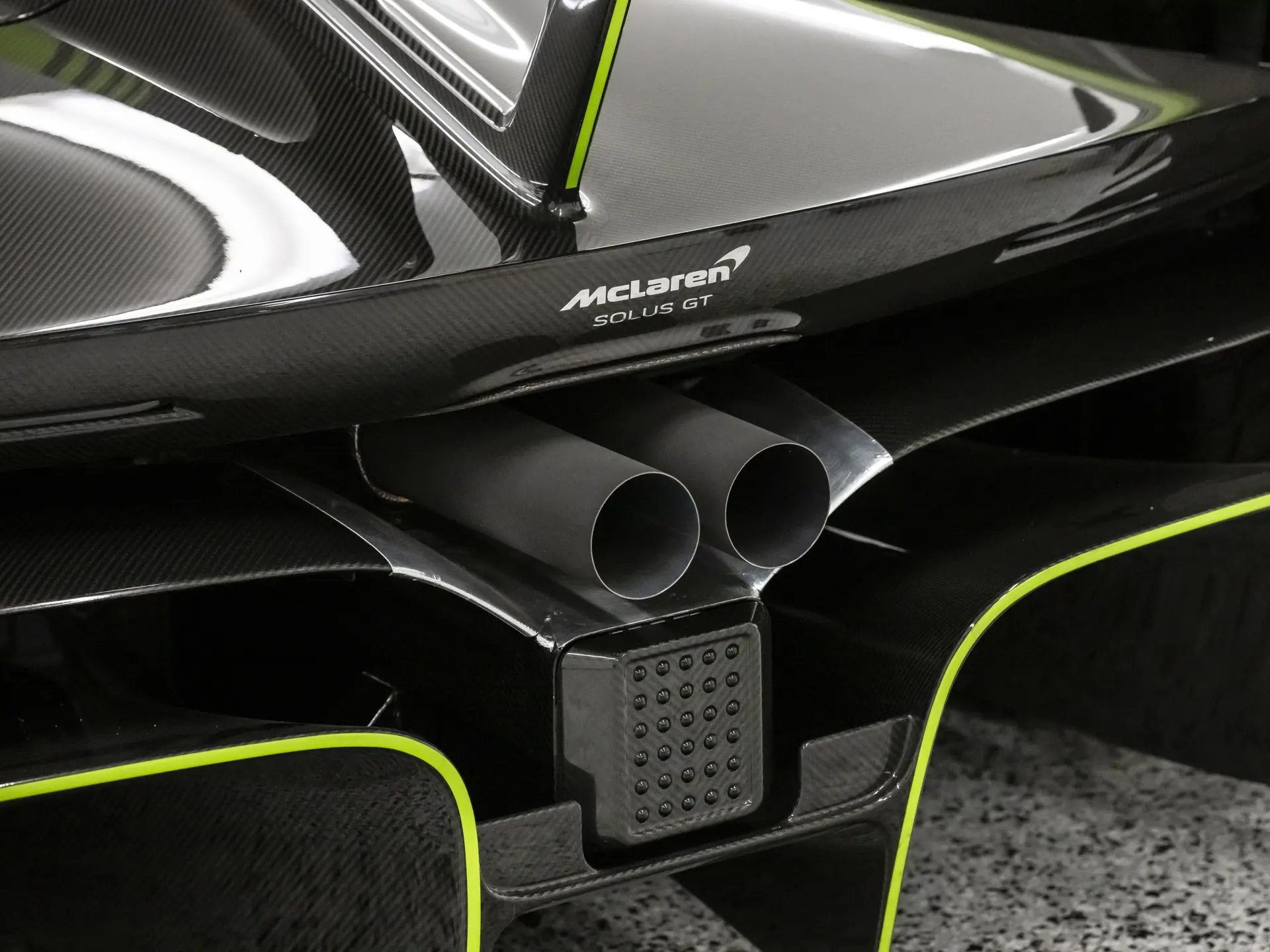
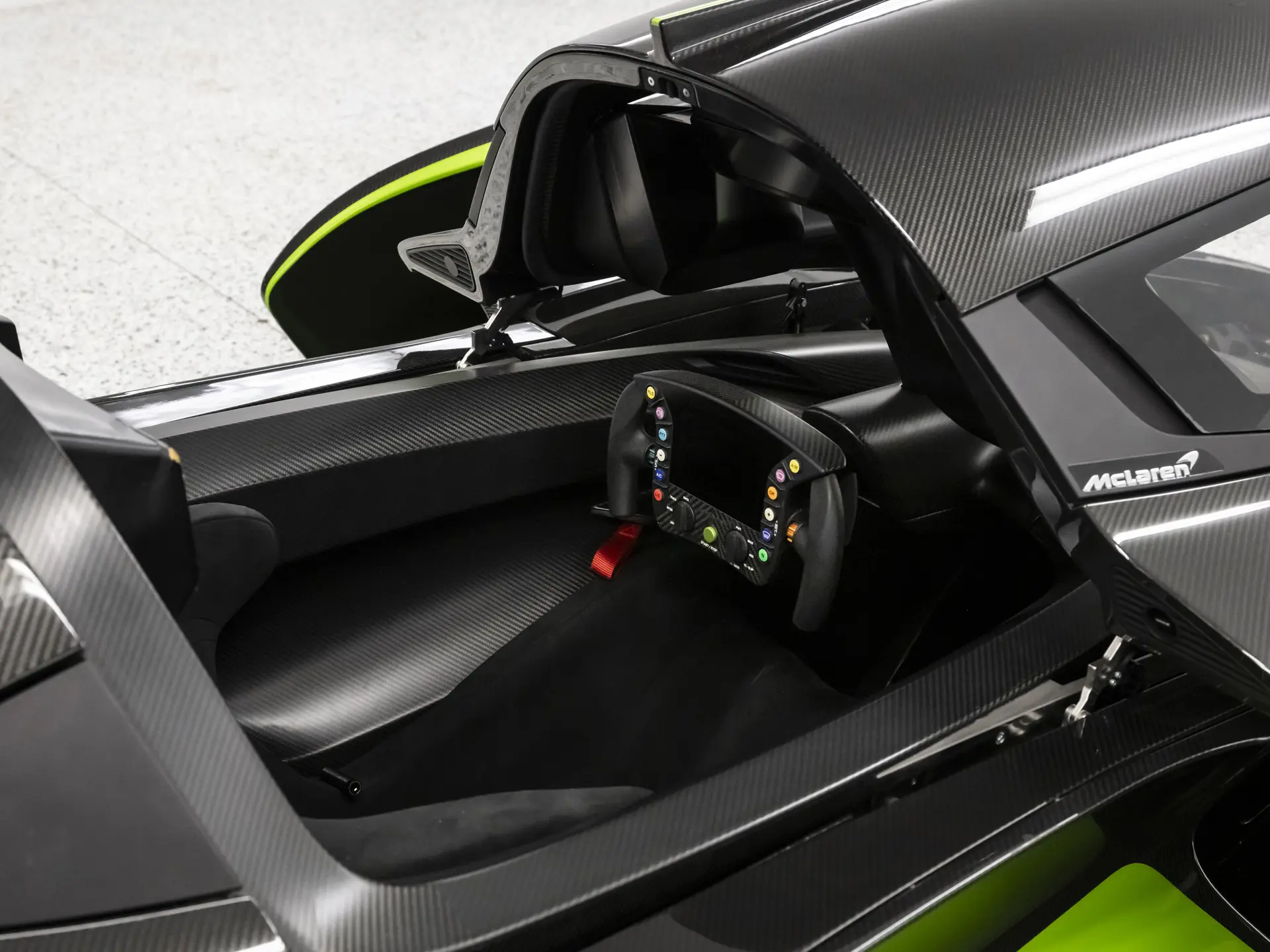
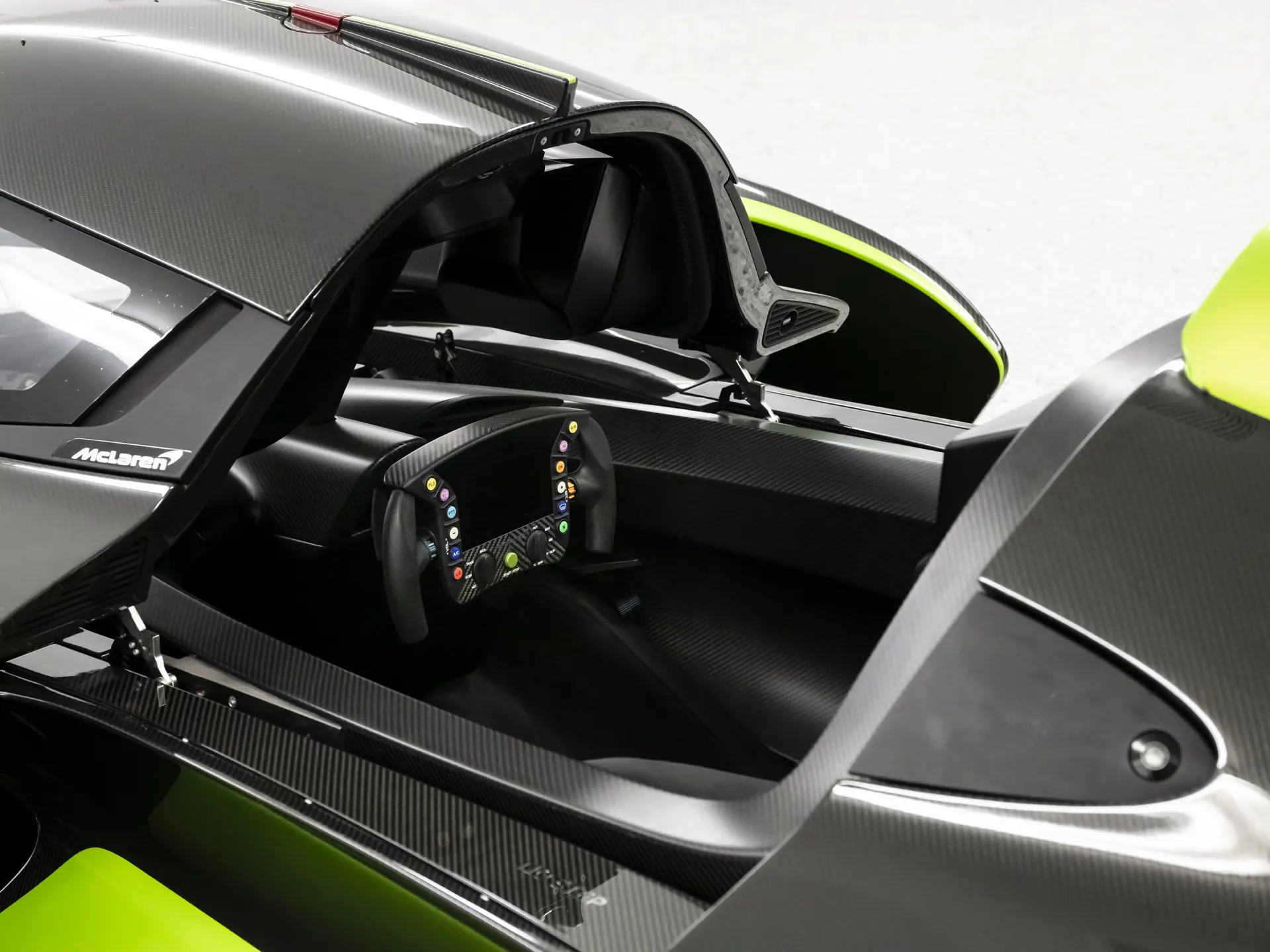
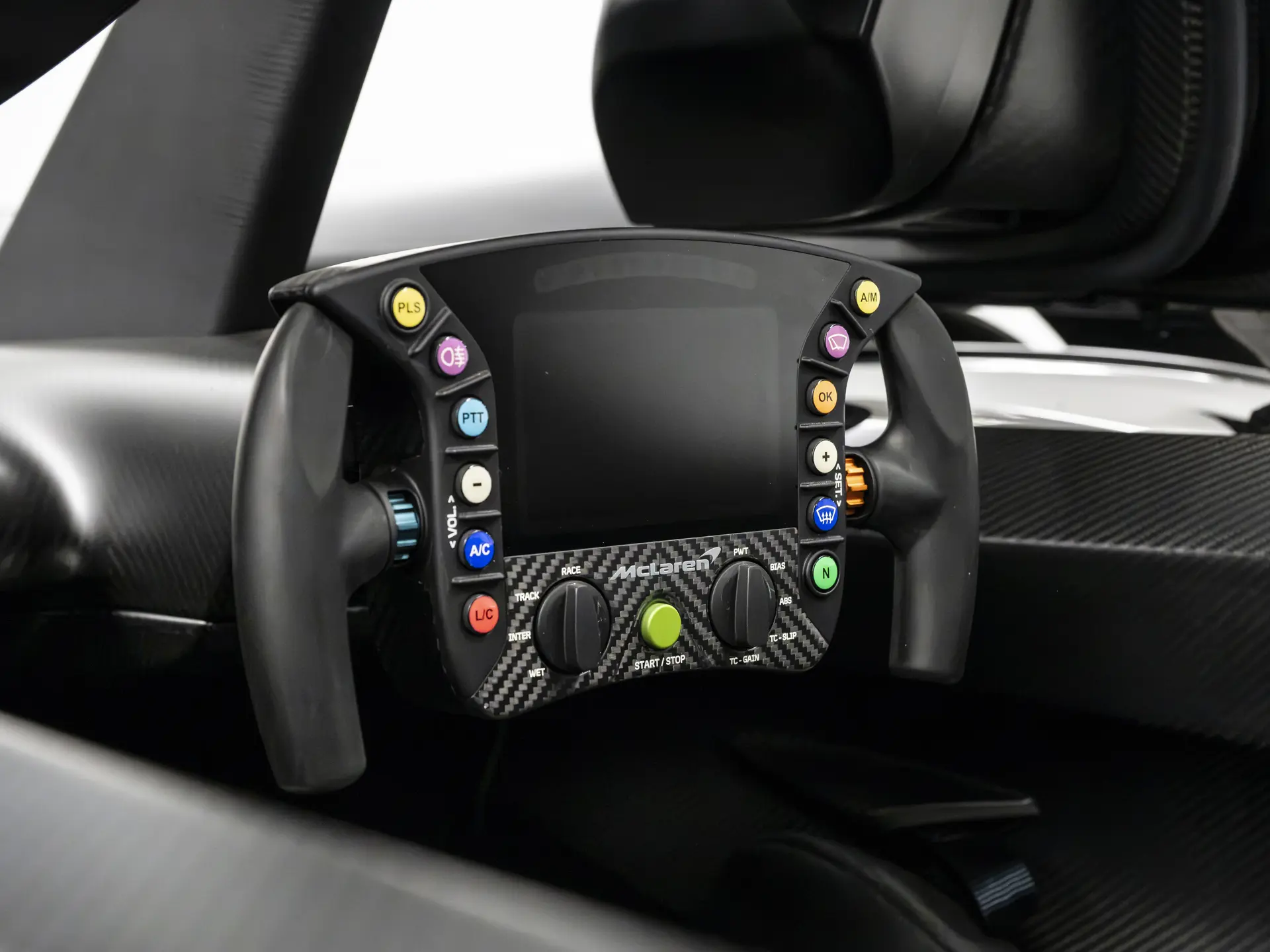
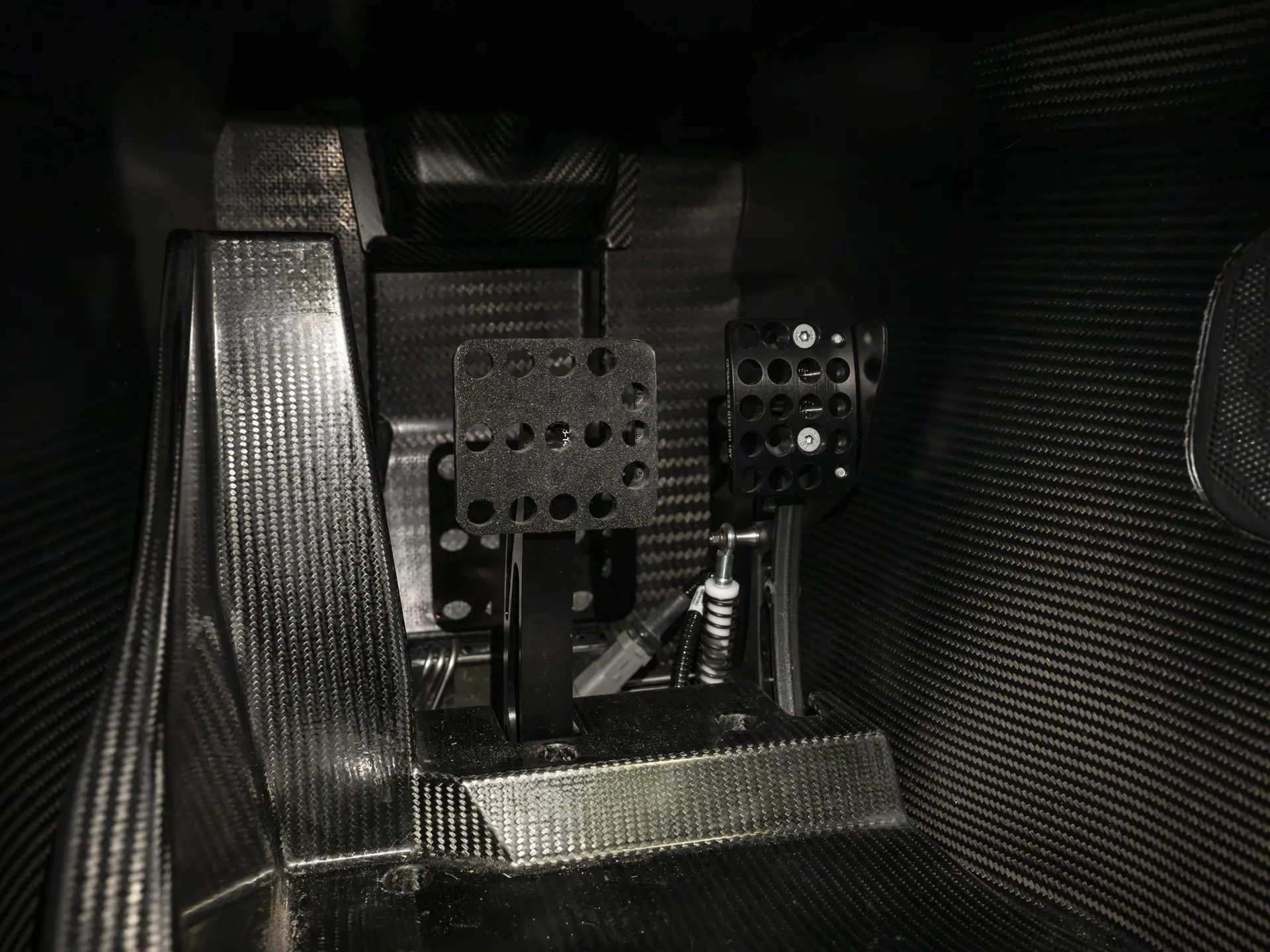
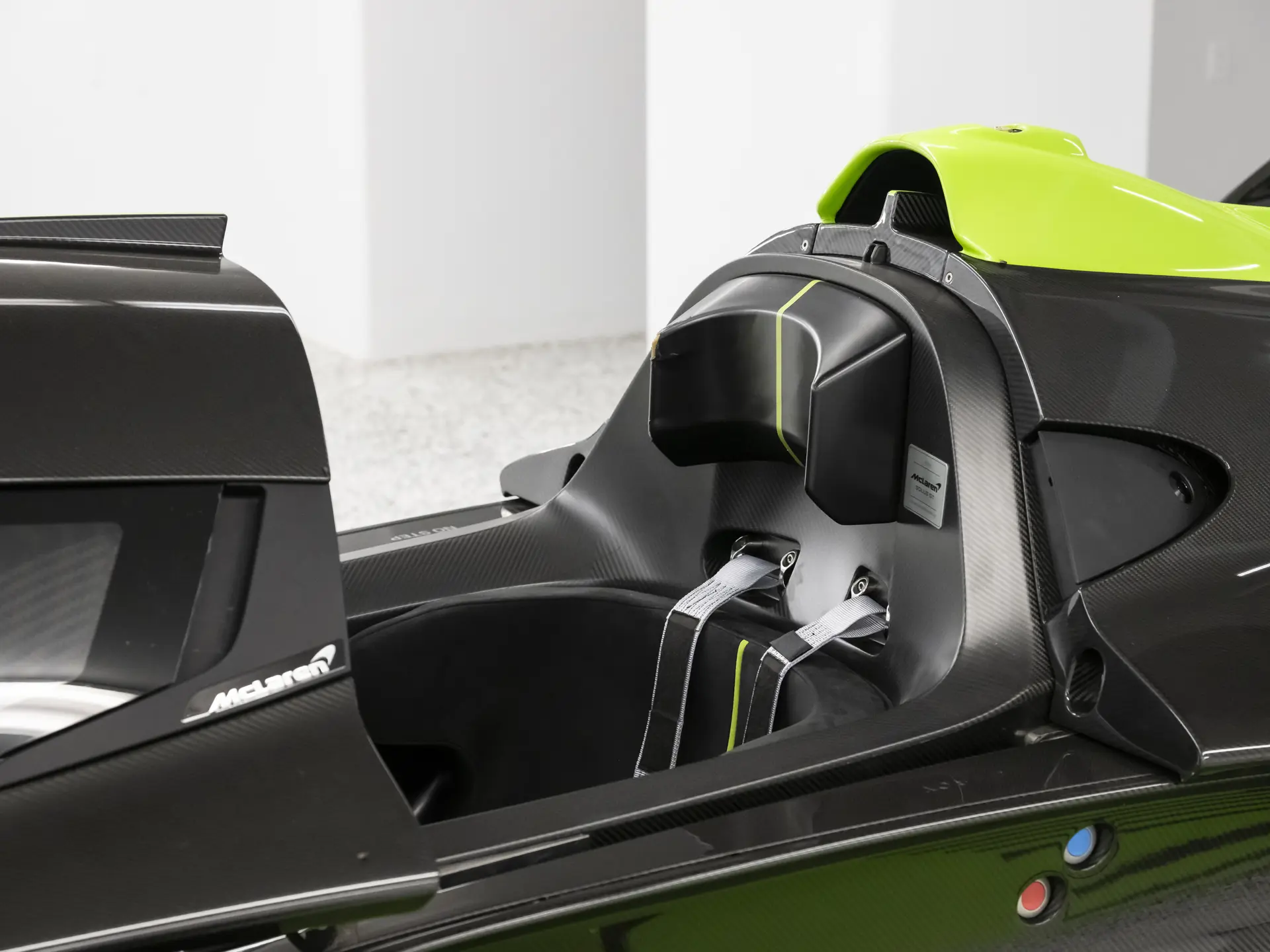
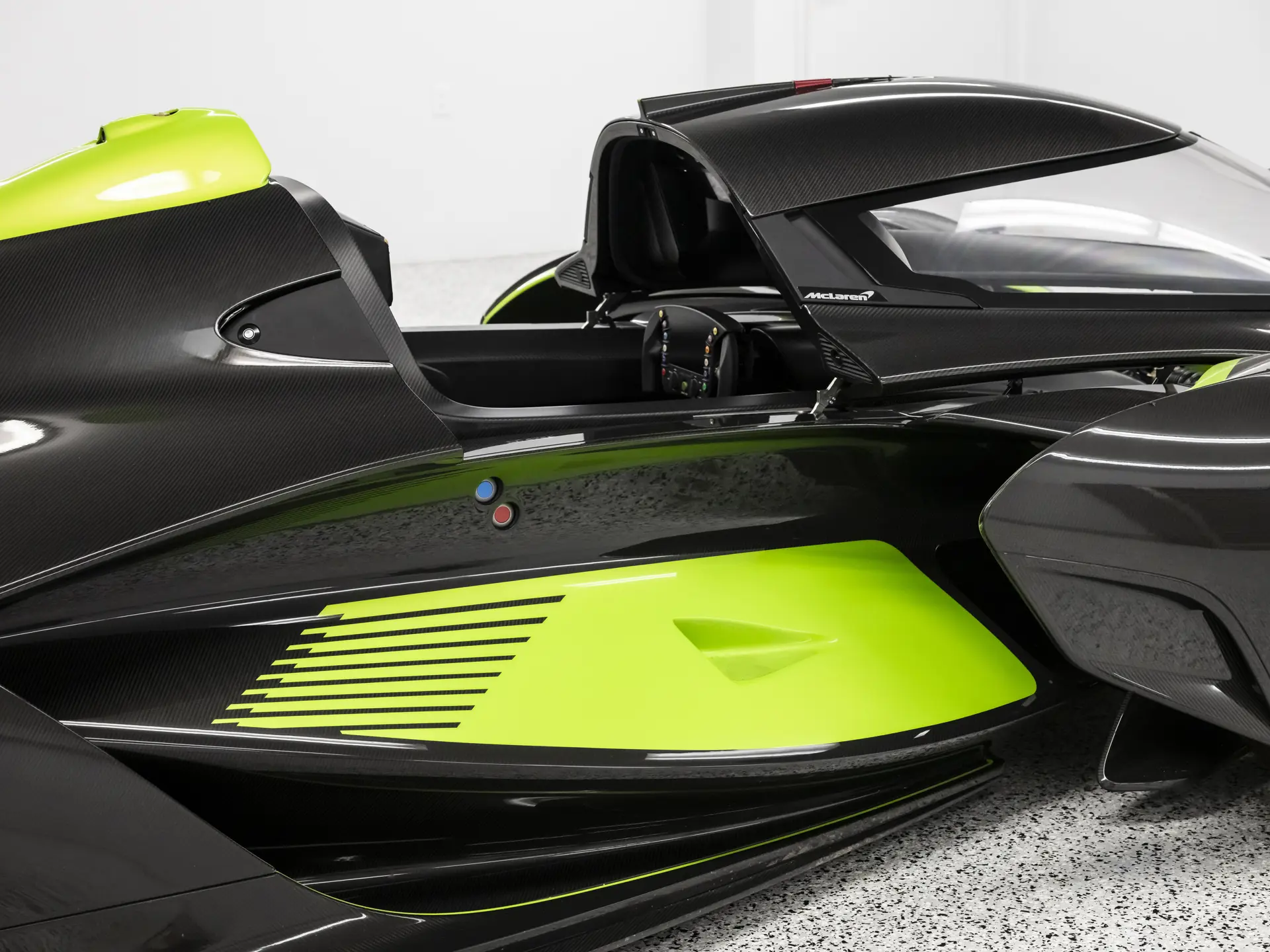
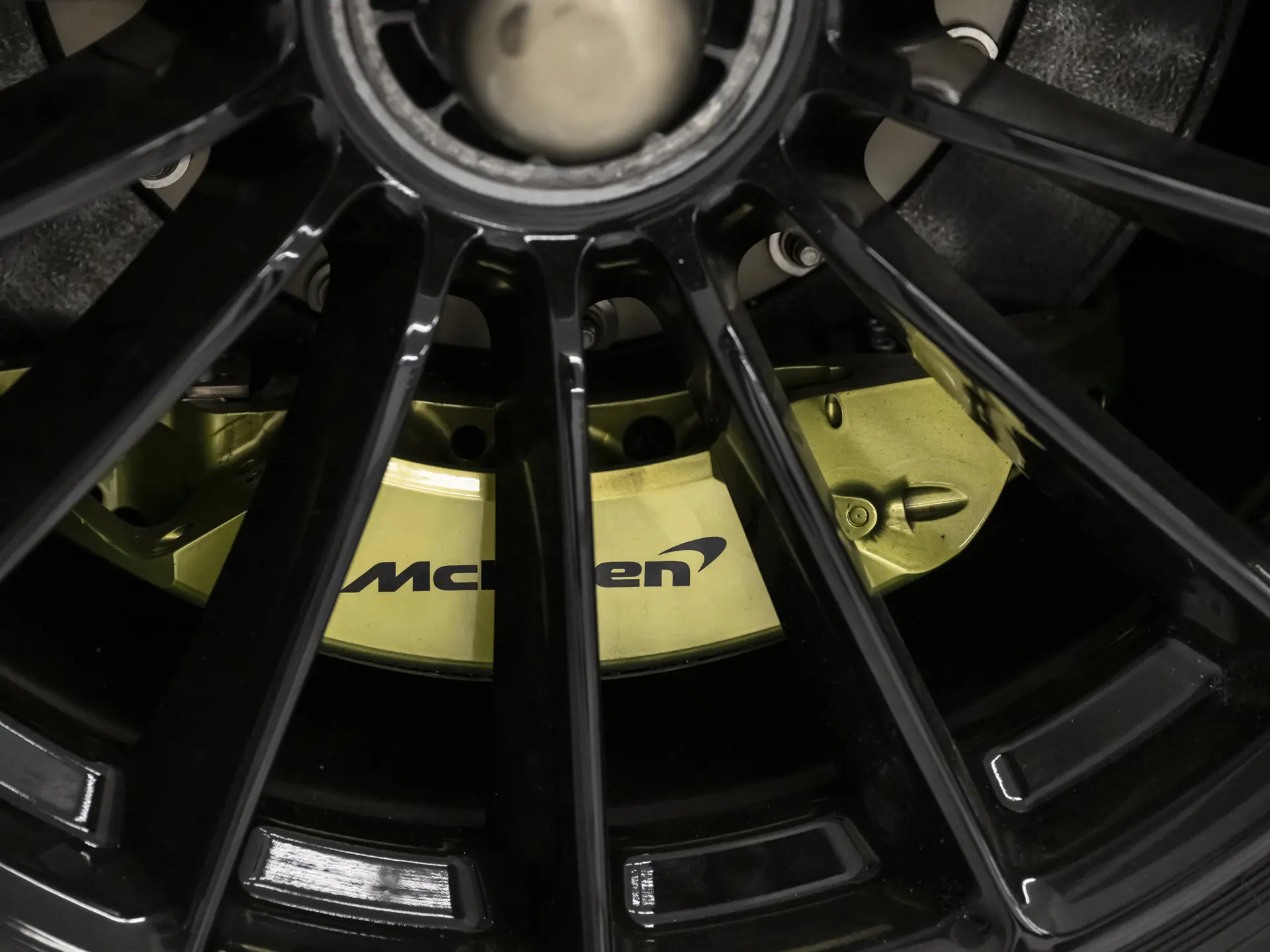
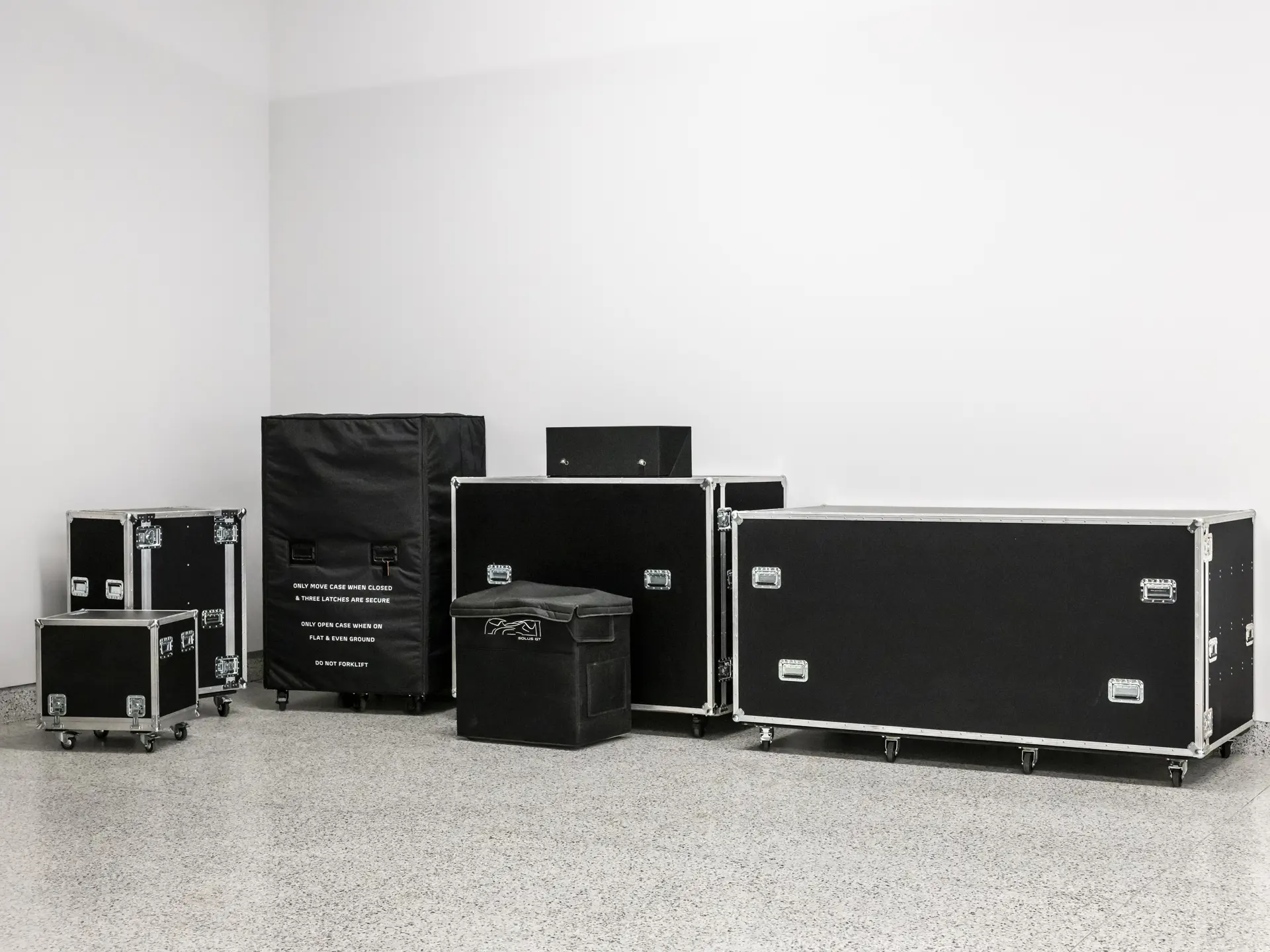
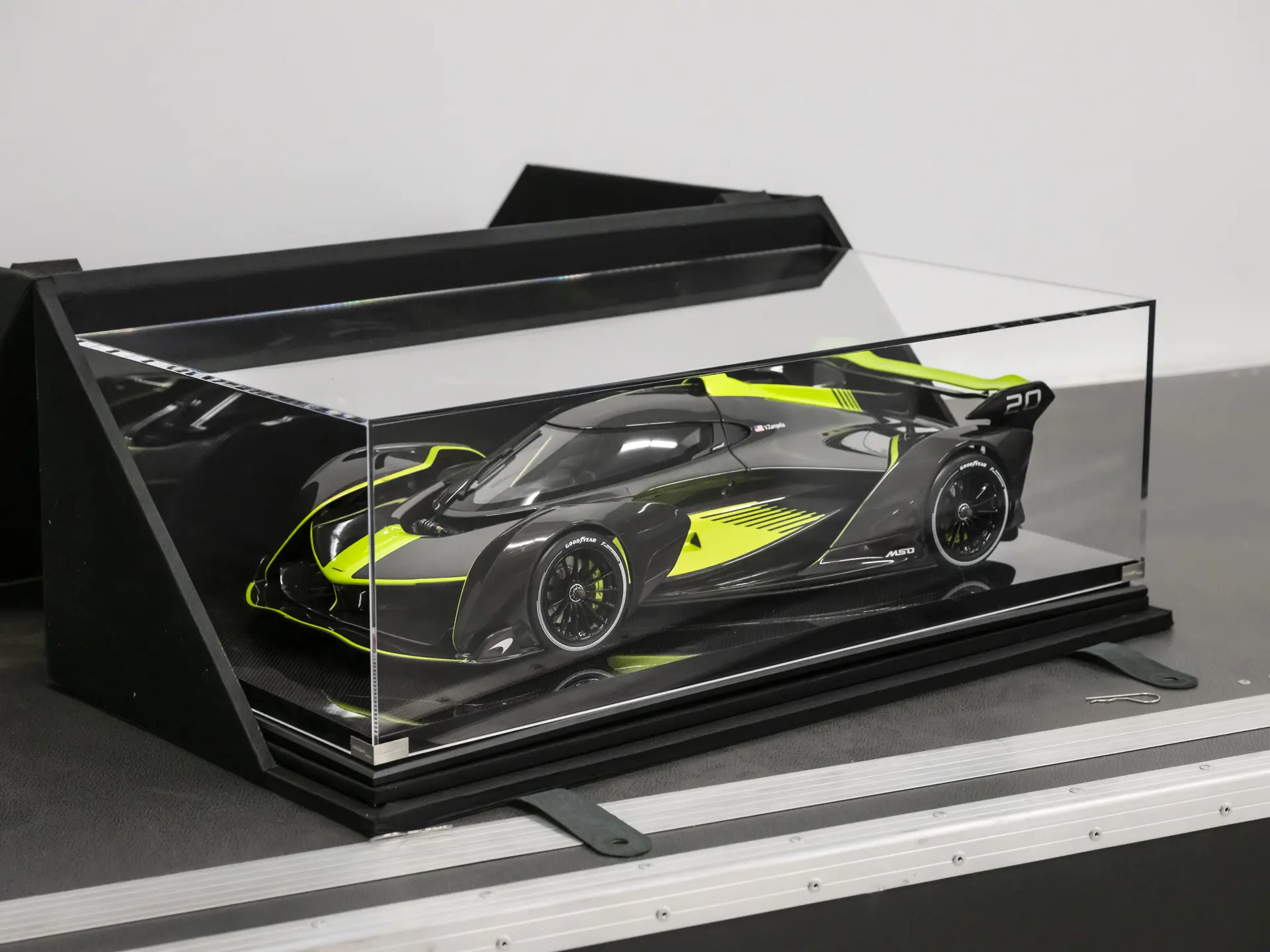
It was custom-ordered by the present collection with a long option list, taking the suggested retail price beyond $3 million. It is finished in exposed carbon fibre with vivid green striping, with a cabin in carbon and Alcantara picking up the same green, and it comes with a factory scale model and a set of professional racing travel cases.
From a video game to Woking
The Vision Gran Turismo programme invites manufacturers to design a car with no regulatory constraints, for use inside the game. Most stay there. McLaren's 2017 entry did not: the company took the concept, kept its defining features and engineered a real car around them, building 25 examples in Woking in 2023 under the direction of designer Rob Melville.
That makes the Solus GT the sixth entry in McLaren's Ultimate Series, the line that runs through the P1, the Senna and the Speedtail. It is also the only one of them that started as a piece of entertainment software, which is a genuinely unusual provenance for a seven-figure car.
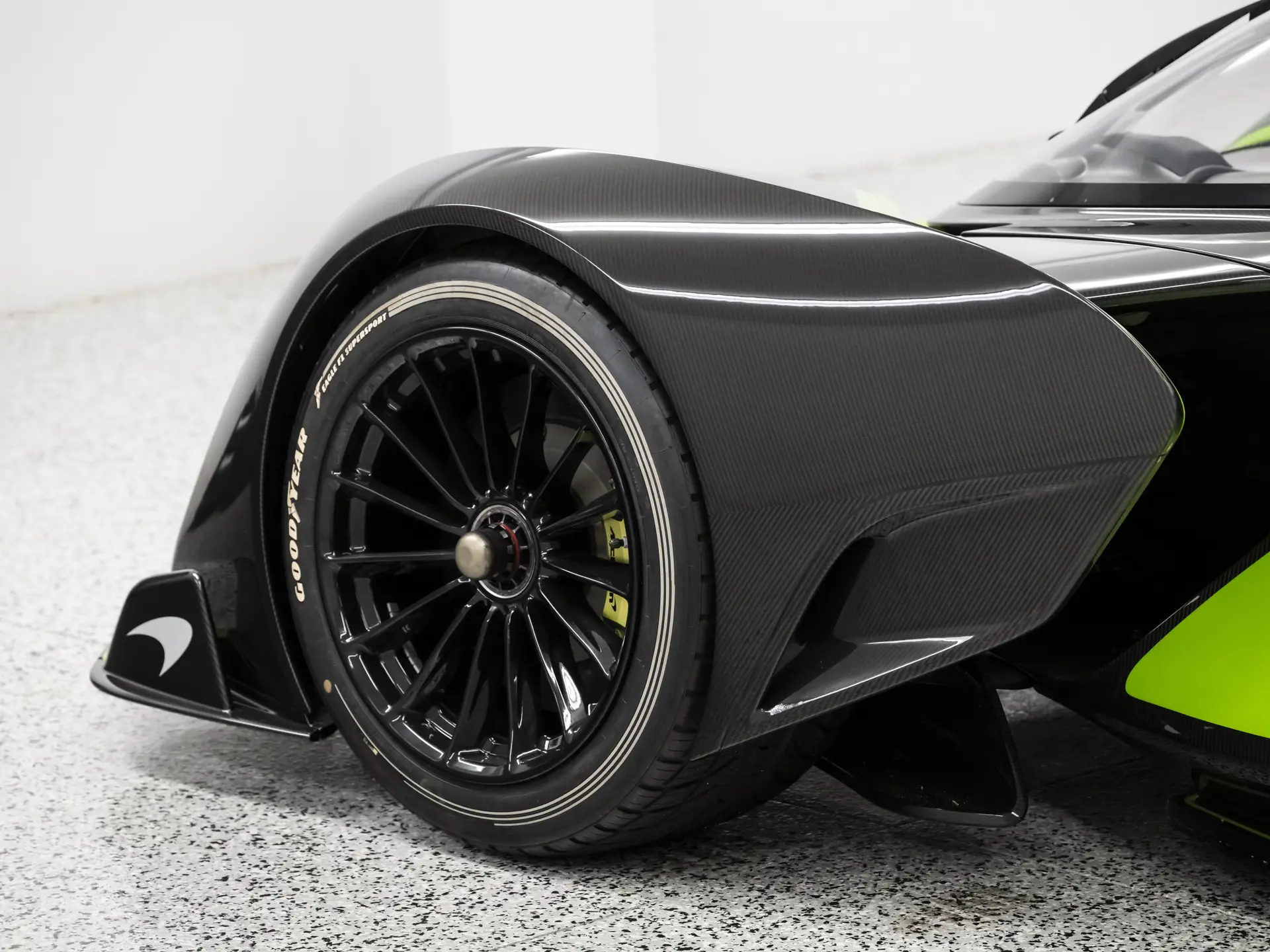
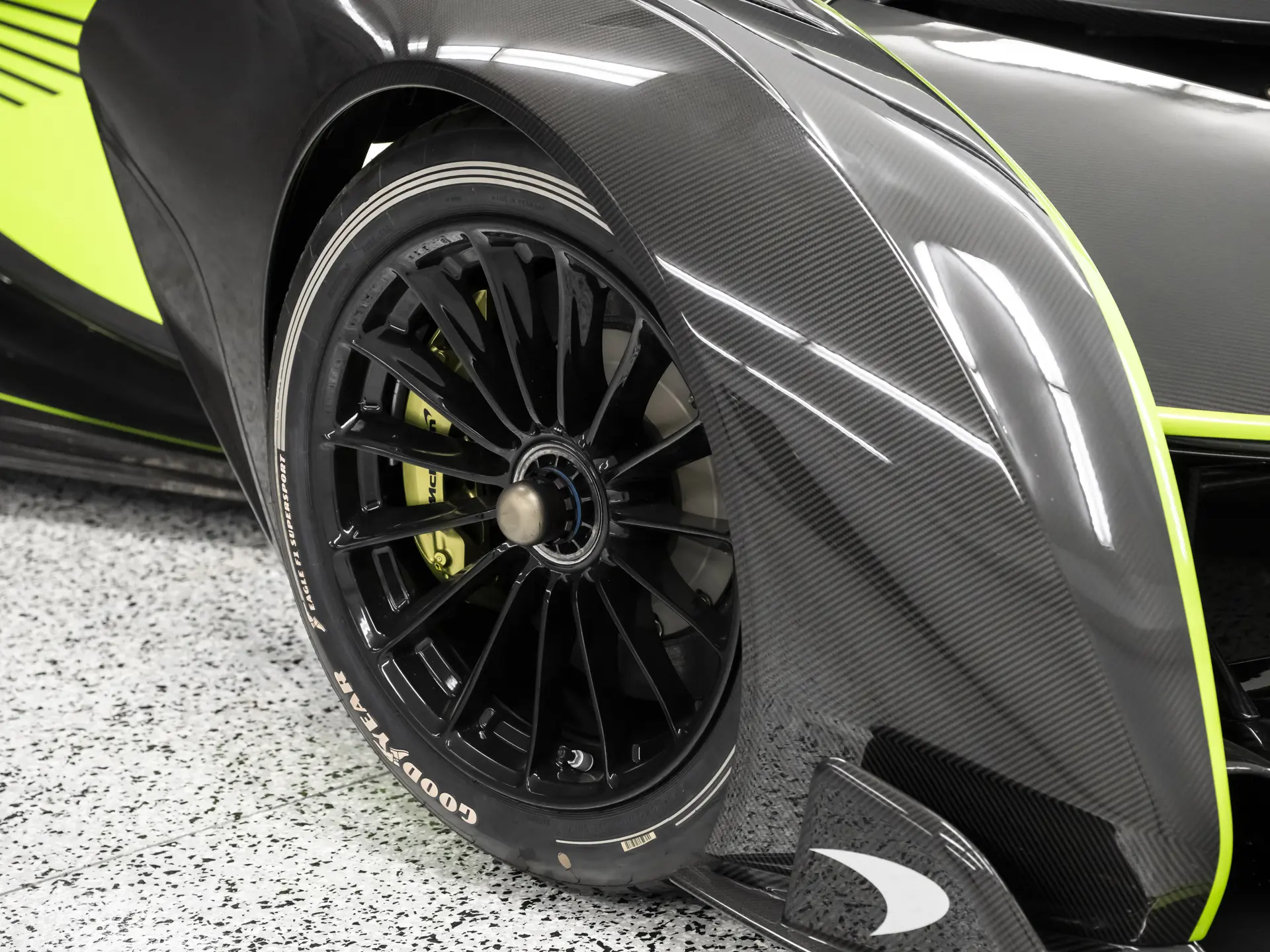
The features that survived translation are the ones that would normally be regulated away: a single central seat under a forward-sliding canopy, fully enclosed wheel pods, and a body shaped around ground-effect tunnels rather than around pedestrian-impact rules.
A Judd-derived V10 that revs to 10,000 rpm
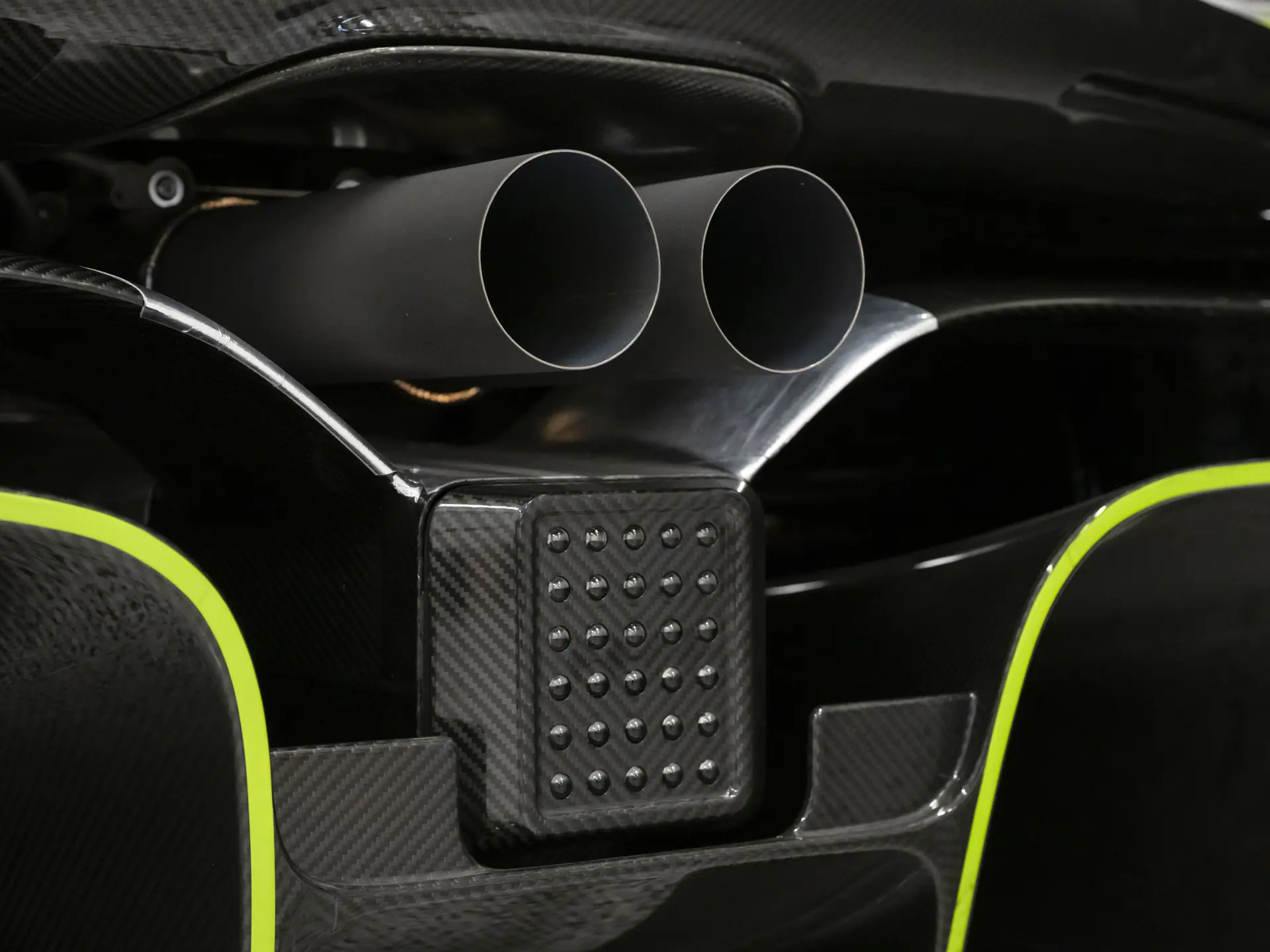
The engine is a 5.2-litre naturally aspirated V10 derived from Judd, rated at 840 PS (829 hp, 618 kW) with 650 Nm of torque and a 10,000 rpm redline. It uses individual throttle bodies and gear-driven camshafts and ancillaries, so there are no belts or chains to service in the conventional sense.
The engine bolts directly to the carbon-fibre monocoque as a stressed member, with the gearbox behind it doing the same job. That is Formula One and Le Mans Prototype practice, and it means the powertrain is part of the chassis rather than something hung off the back of it. Transmission is a seven-speed sequential unit in an aluminium-magnesium casing with straight-cut gears and a carbon clutch.
Kerb weight is 1,000 kg. McLaren quotes 0 to 100 km/h in 2.5 seconds and a top speed in excess of 322 km/h (200 mph). The number that describes the car better is the downforce: around 1,200 kg at speed, which is more than the car weighs.
Ground effect, a titanium halo, and a suit that fits you
A vast front splitter feeds air into Venturi tunnels that run under the floor and exit through a large diffuser, with a twin-element fixed rear wing above. This is ground effect in the proper sense: the floor generates most of the load, which is why the car can carry so much downforce without the drag penalty of an aircraft-carrier rear wing.
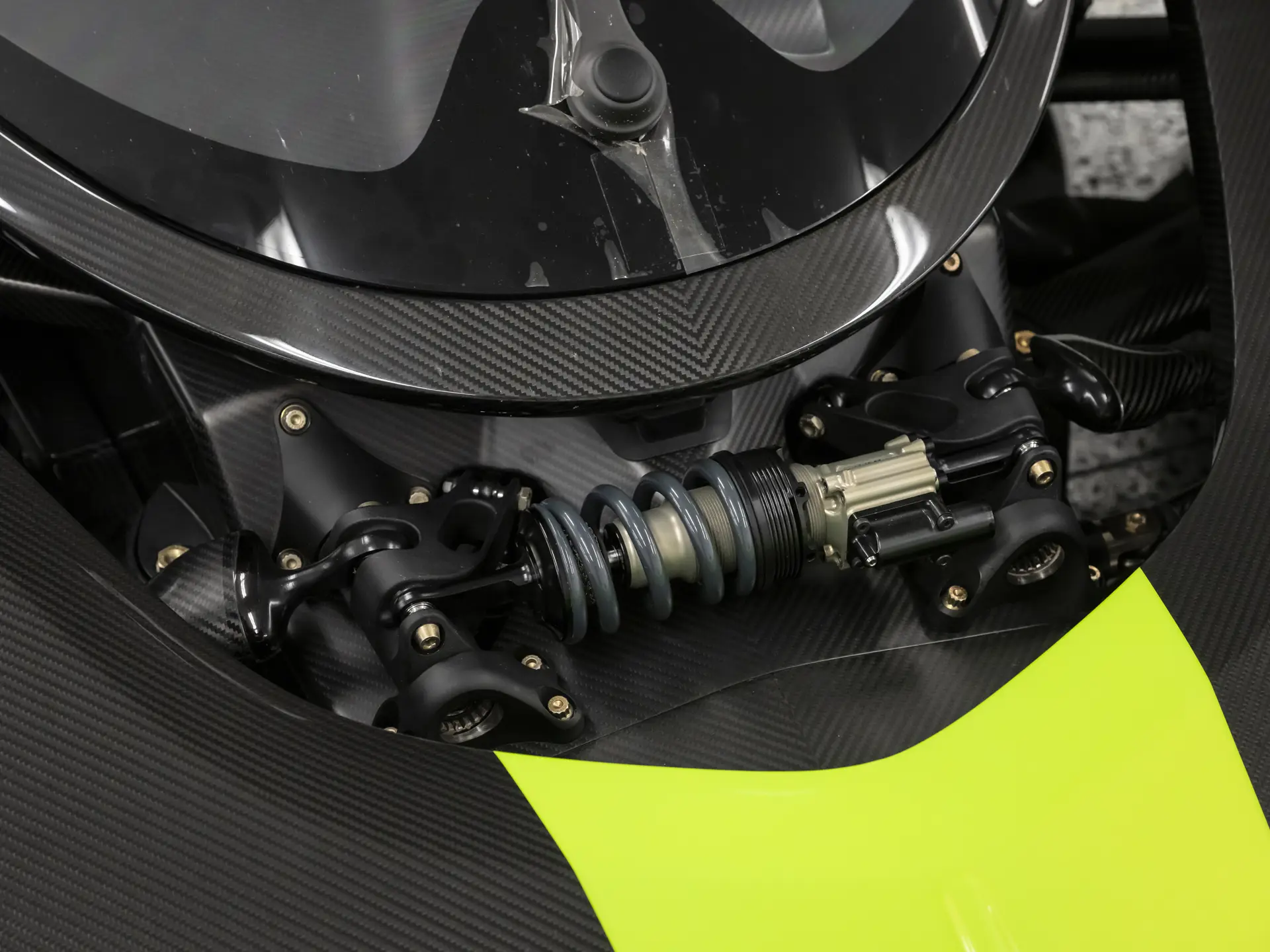
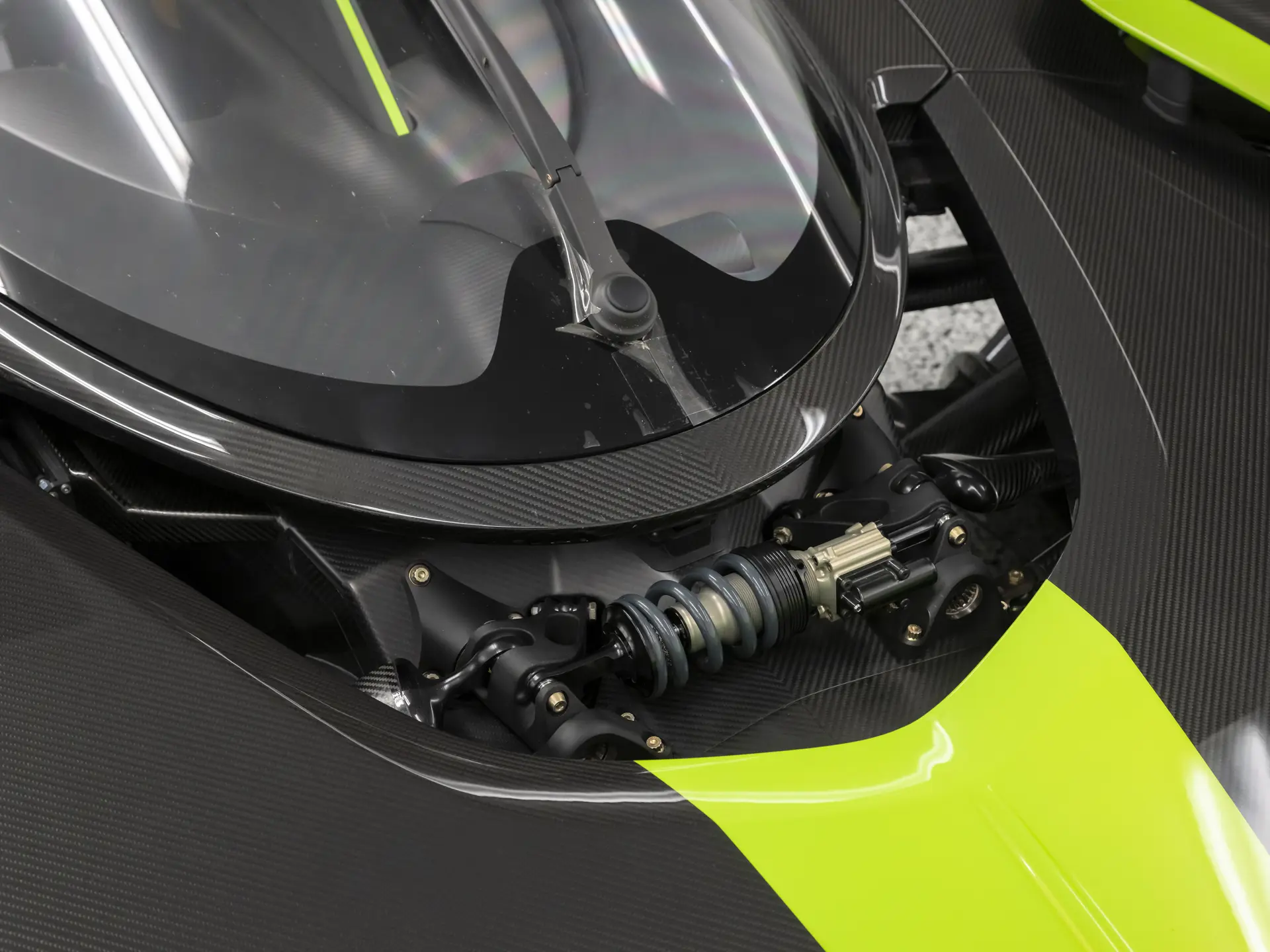
Safety hardware comes from single-seater practice. There is a 3D-printed titanium halo and roll structure, with carbon-fibre crash structures around it. Suspension is double wishbone at both ends, pushrod-operated torsion bars at the front and pull-rod at the rear, with four-way manually adjustable dampers.
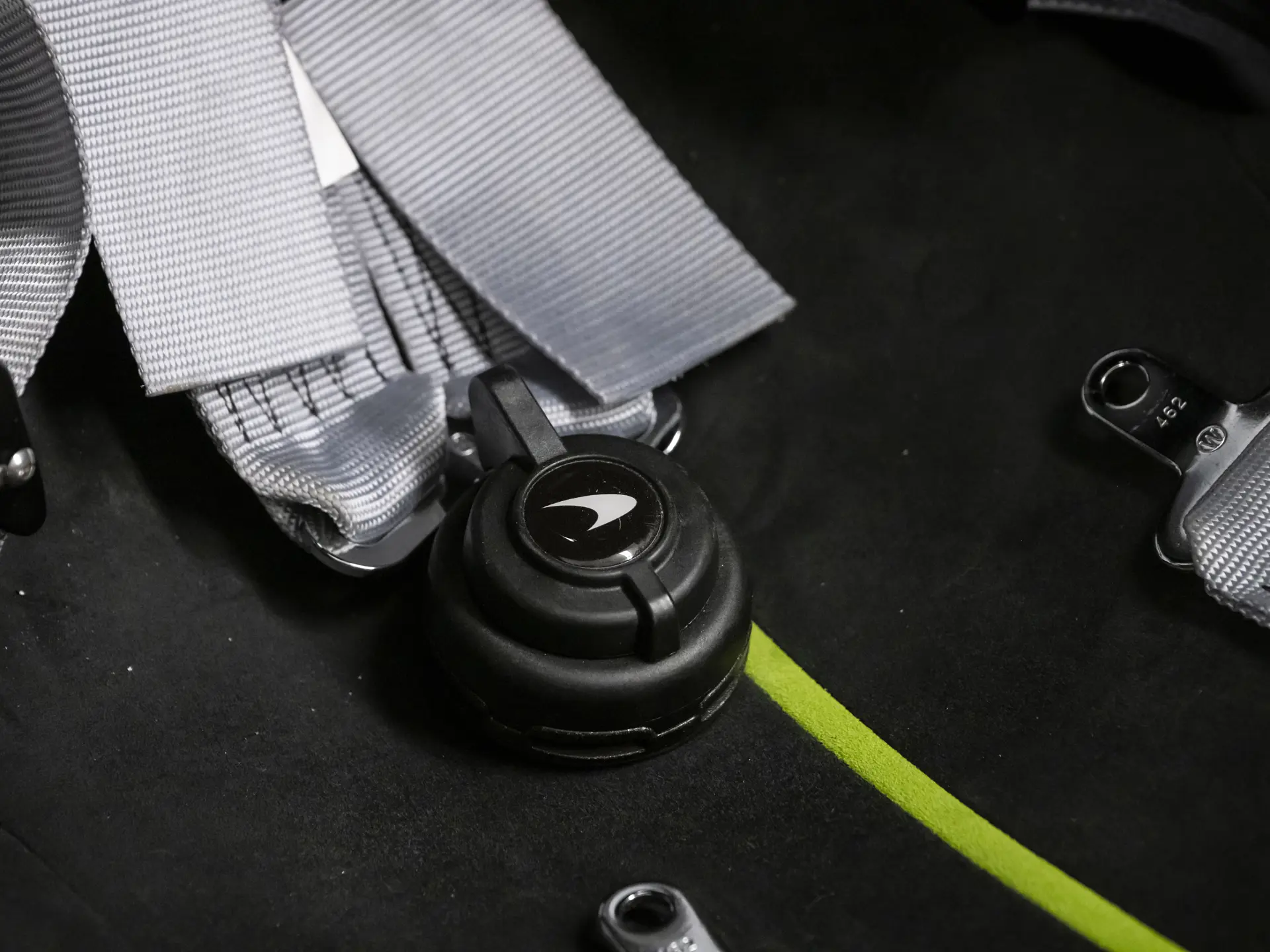
Every one of the 25 cars was delivered with a seat moulded to its owner, an FIA-homologated race suit, a helmet and a bespoke HANS device. That is a genuine complication for a resale: the seat and the safety equipment were fitted to someone else. A new owner should budget for a new seat and their own kit before the car is usable.
What $3 million buys, and what it does not
The Solus GT sits in a category that has grown quickly: track-only hypercars sold in tiny numbers to customers who already own the road cars. The Ferrari FXX programmes, the Aston Martin Vulcan and McLaren's own Senna GTR are the neighbours. Values in that category depend heavily on whether the cars actually get used, because a track car that never turns a wheel is a sculpture with a maintenance schedule.
The strongest arguments for this one are the numbers: 25 cars, an unrepeatable origin story, a naturally aspirated V10 at a moment when almost nothing else is offering one, and a specification that took the original price past $3 million.
The honest counterweight is that the estimate sits at or below what the car cost to order. That is not unusual for a recent track car, and it is worth knowing before reading the result on 14 August as a verdict on the model.









 Deutsch
  Français
  Italiano