 Italiano
 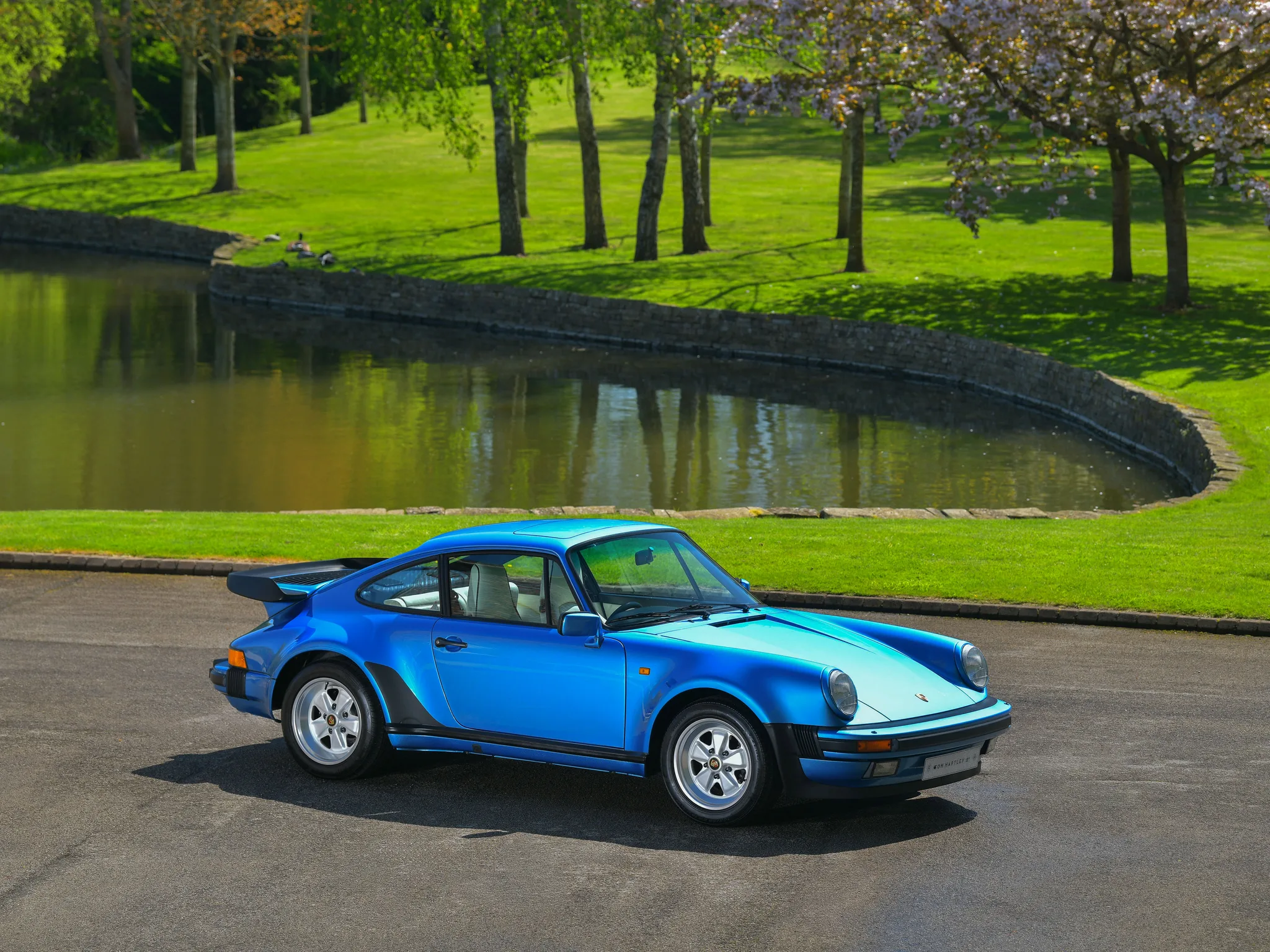 1 / 15
 Porsche
1989 911 Turbo
Coupé
£325,000
16,145 km  Used
Used

Explore the marketplace
 Ferrari 1,673
  Porsche 1,081
  Lamborghini 758
  Mercedes-Benz 680
  Land Rover 552 Ferrari purosangue 171
  Mercedes-AMG g-63 164 Land Rover range-rover 147 Ferrari 296-gts 110 Land Rover range-rover-sport 109
 No matching make or model. Search the complete inventory instead.
Browse all 8,962 cars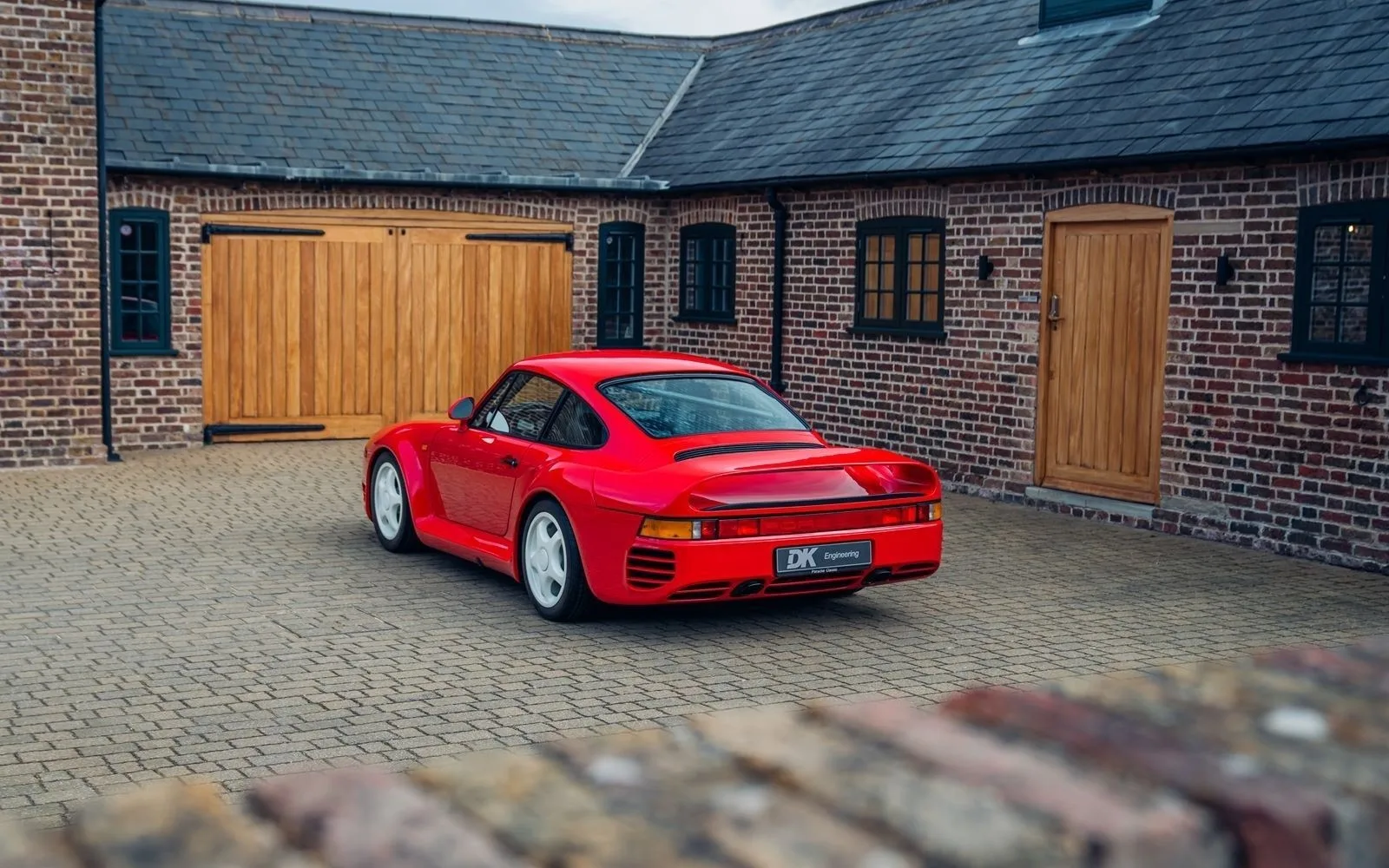
Price on request
Chorleywood, United Kingdom
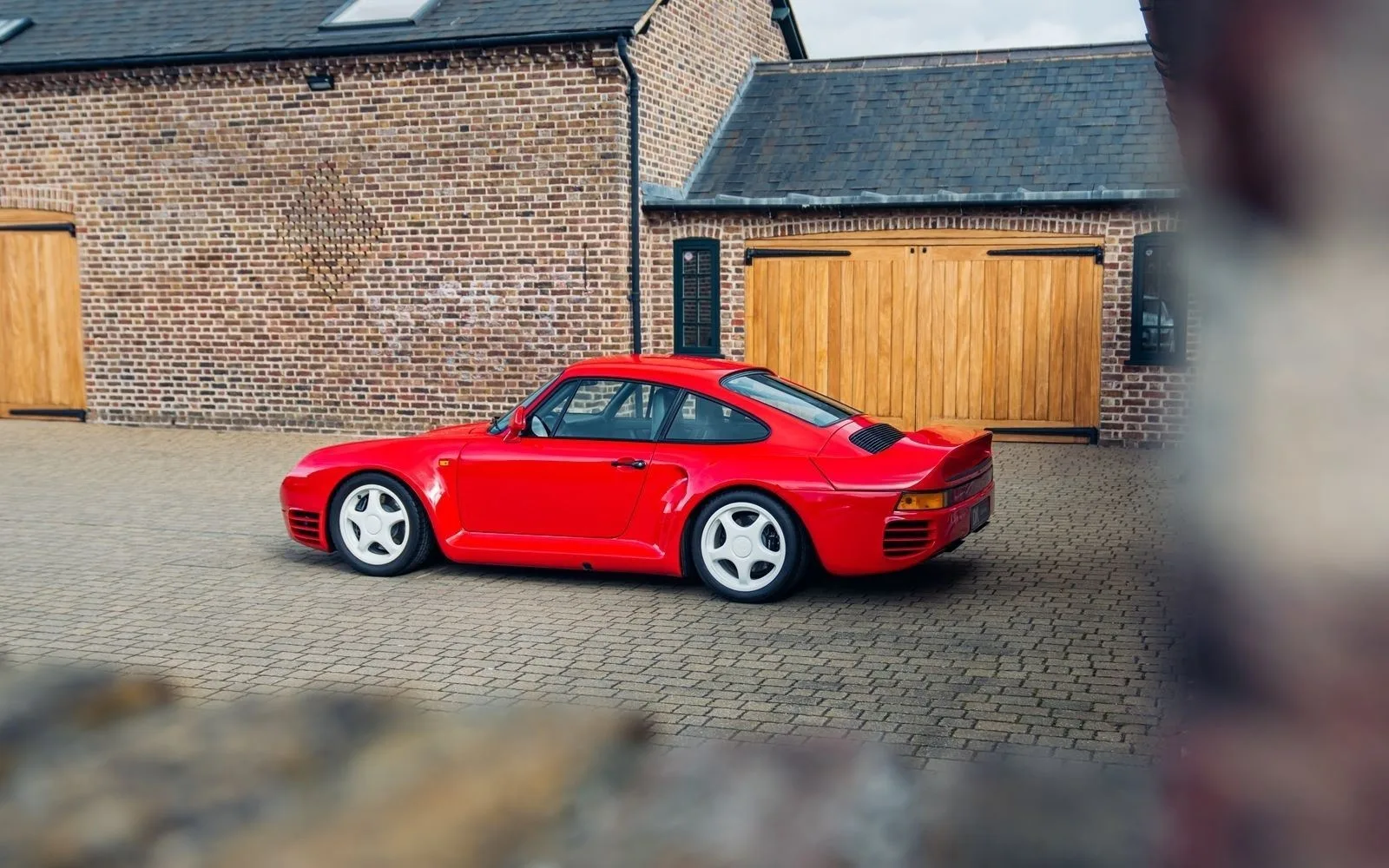
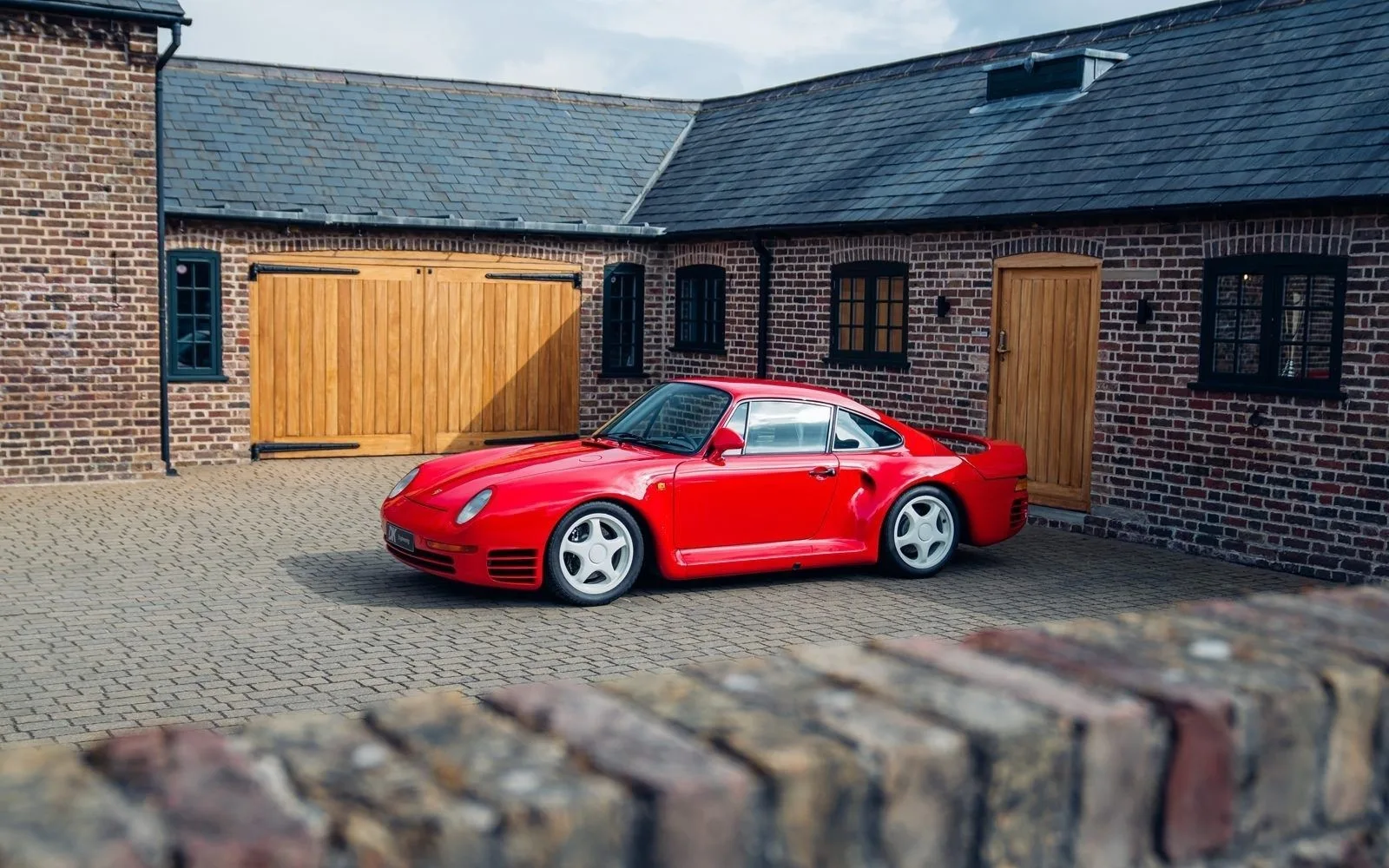
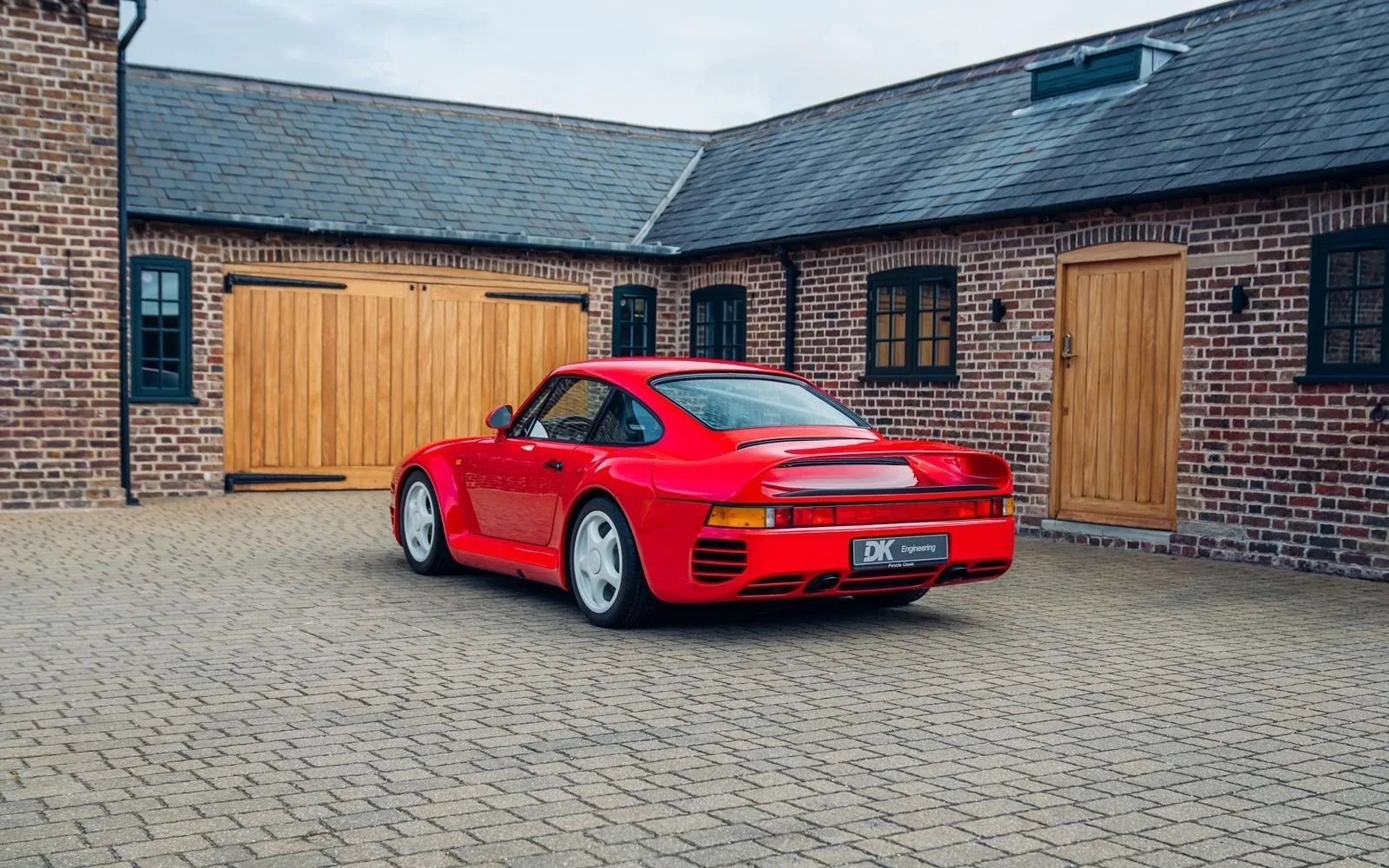
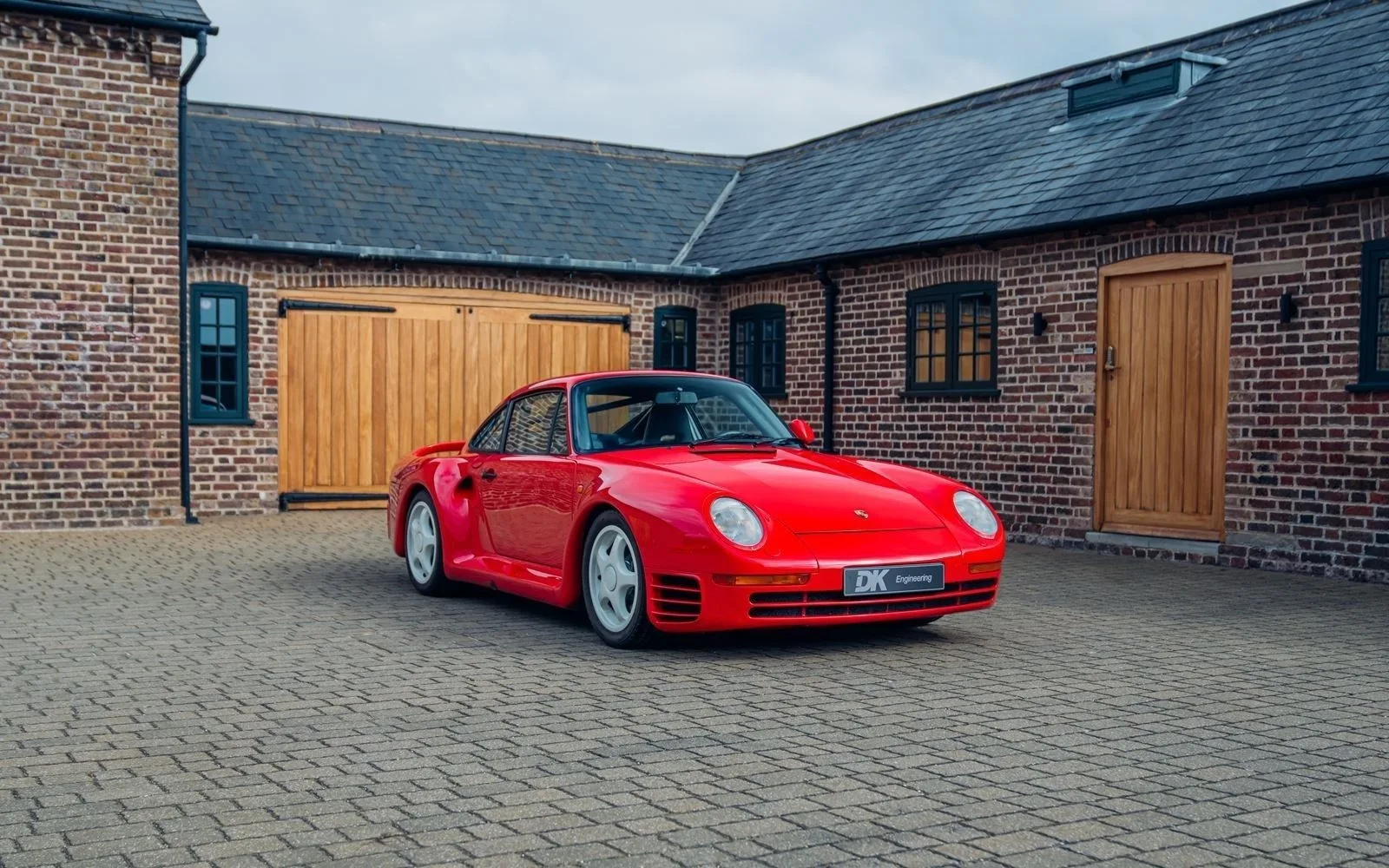
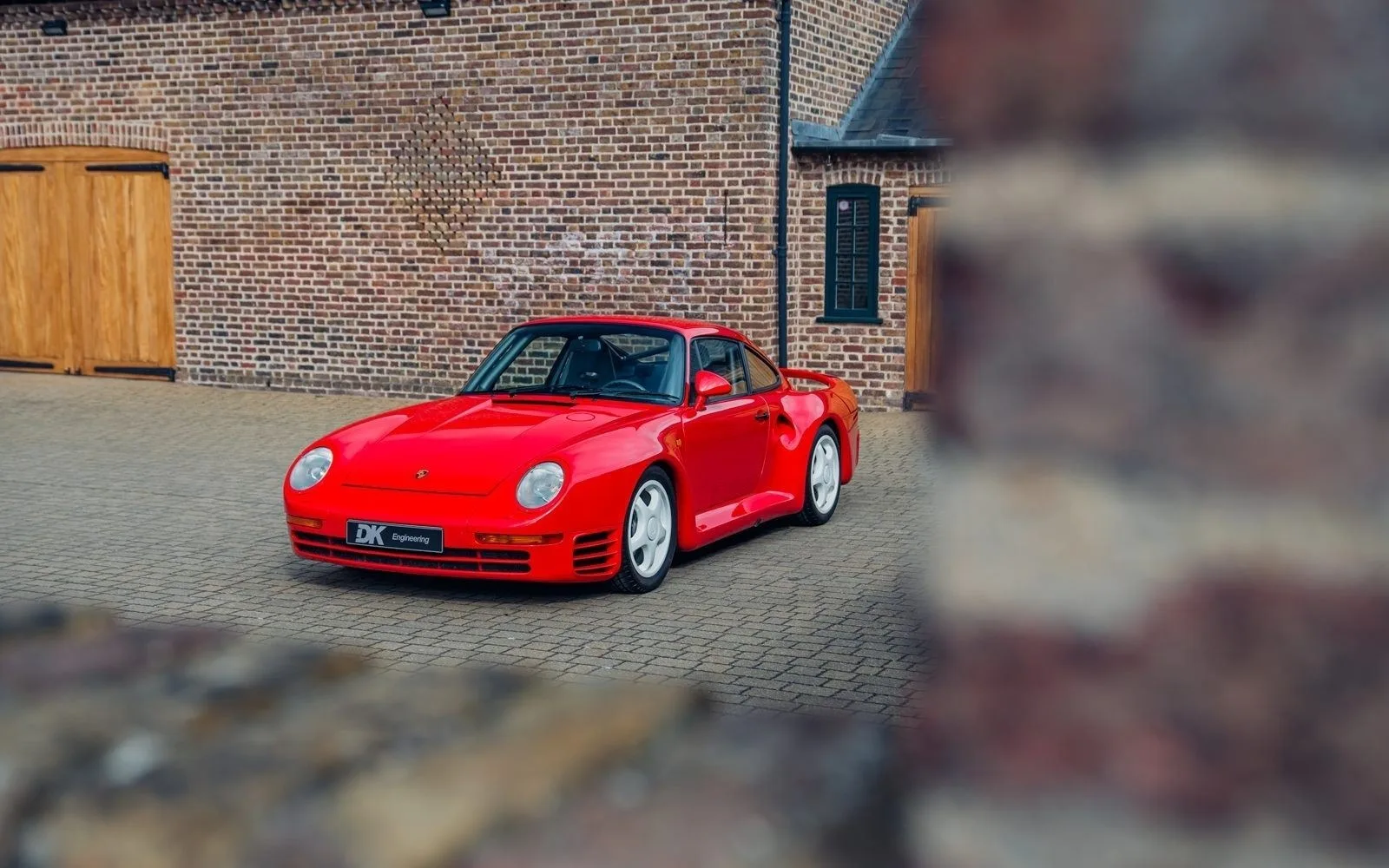
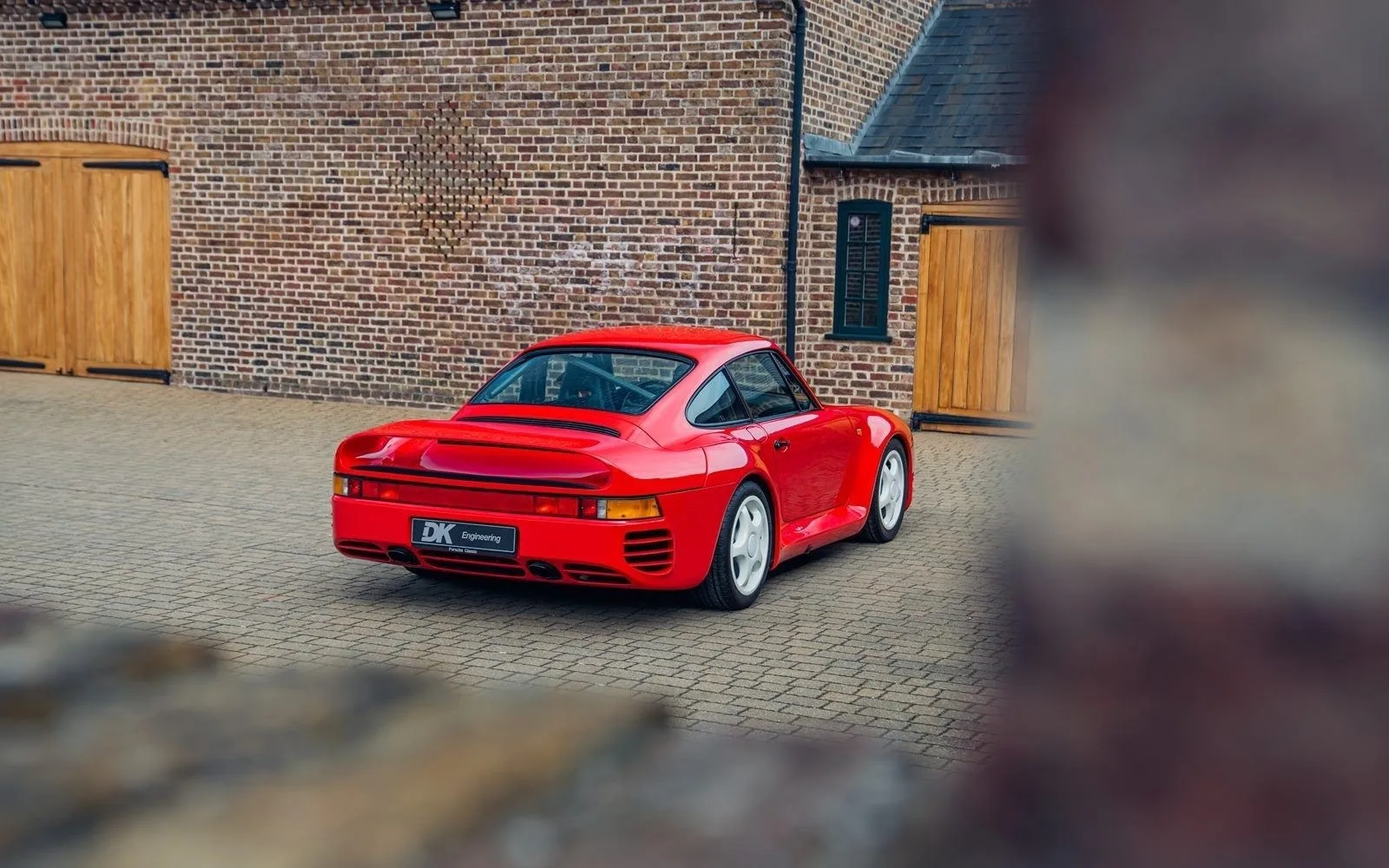
A 959 Sport of 1989, one of twenty-nine built to that specification for the United States, restored by Porsche Classic.
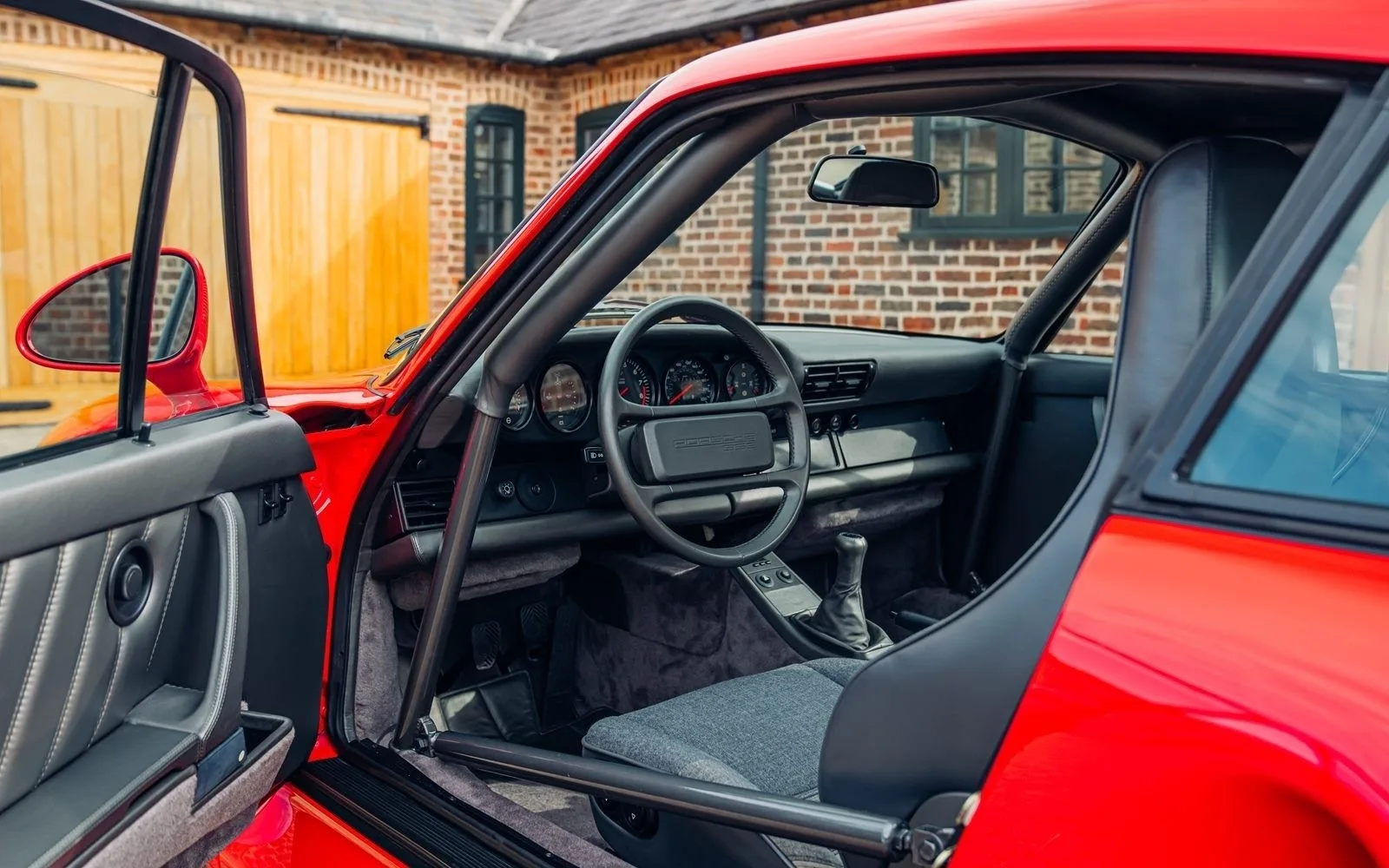
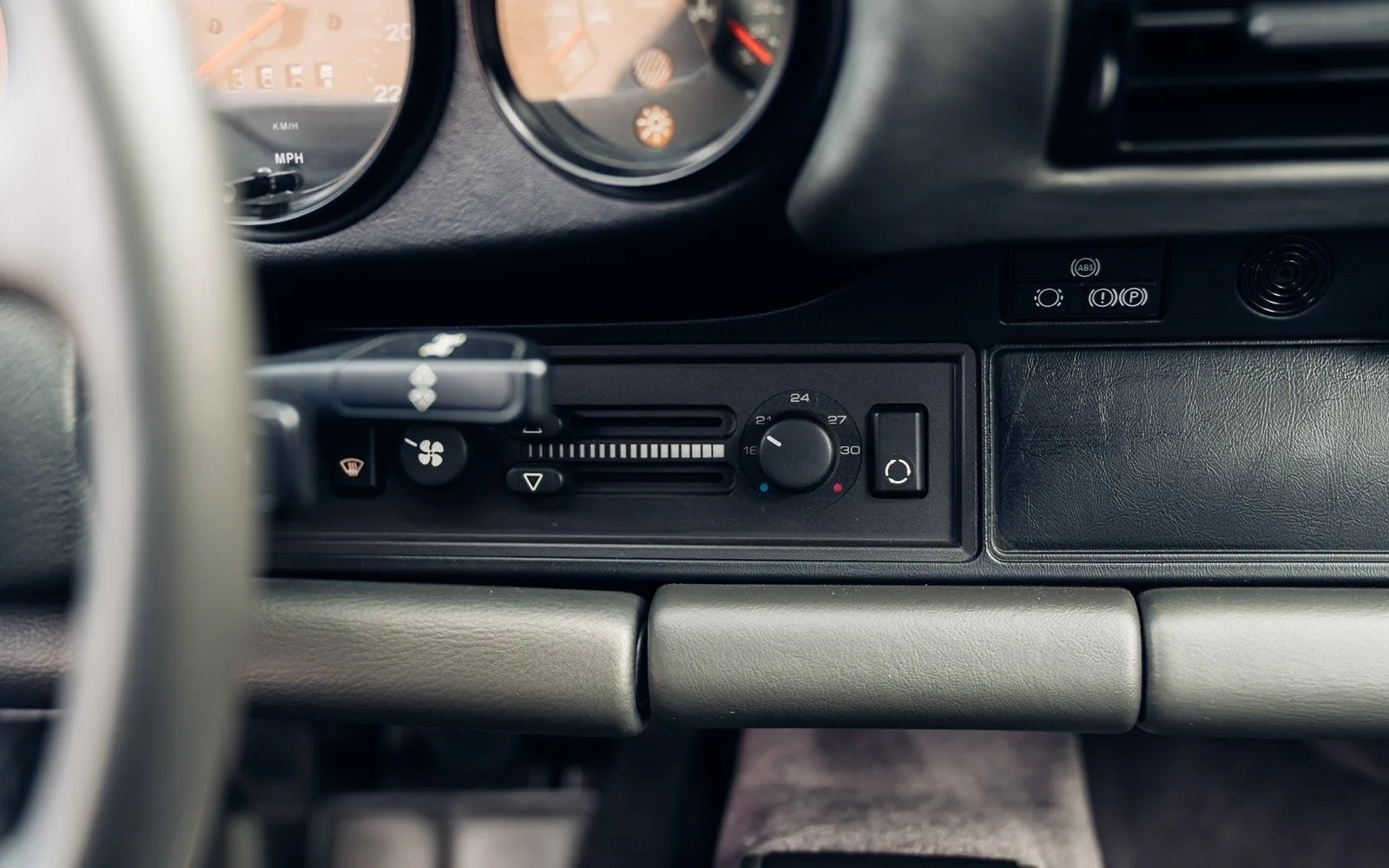
The 959 was Porsche's Group B homologation car and its technical manifesto: a 2.85-litre sequentially turbocharged flat-six of 450 hp, four-wheel drive with variable torque split, adjustable ride height, and a Kevlar-composite body. The Sport dropped the air conditioning, the electric seats and the ride-height control to save 100 kg.
Porsche is said to have lost roughly the car's £150,000 asking price on every 959 it built. DK Engineering sells it from Chorleywood.
The stakes couldn’t have been higher. The technological advancements in the 1980s through the developed use of turbocharging saw motorsport and road cars catapult forward in terms of pace. With the race to 200mph in full swing, road and race cars alike saw power jump into the high 300s, 400s and beyond. After the launch and success of Ferrari’s 288 GTO in 1984 with innovative, lightweight composite body panelling and a turbocharged powerplant offering both high power and torque, every year brought faster and faster variants.
When Ferrari started production of the 288 GTO in 1984, Porsche had been in Africa with its 953. A naturally aspirated 911 with a manually adjustable four-wheel-drive system, designed specifically for the task but as a testbed for various systems, the car took victory at the Paris-Dakar rally. In terms of the technological race, Ferrari’s GTO was virtually stationary compared to Porsche’s efforts.
This victory at Dakar marked a significant achievement for Porsche. The future of the 911 was in doubt already with the creation of the 924, 944 and 928 suggesting Porsche would ditch its roots in favour of a more traditional front-engined, rear-wheel-drive layout. Despite an internal battle over the future of front-engined over rear-engined layout, the win enabled chief engineer Helmuth Bott, to continue the development of a secret, ‘Super 911’. If it were to be the last ‘911’ instalment, it needed to conquer all; on the road, on the race track and even the rally scene too.
In the wake of the 1973 OPEC oil embargo and ensuing crisis, which lead to slowing down of technical development; motorsport regulations were changed to form Group B. This ‘no-limits’ motorsport was created to once more inspire technological innovation in all aspects of automotive research and development. Porsche were keen to get in the action, developing the 953 into the 959 with the addition of twin turbochargers; the FIA regulation stipulated 200 production cars would be needed to comply. The ‘Gruppe B’ concept was first shown in 1983, the 959 prototypes were built in 1985 and the first customer cars weren’t shipped until 1987. This meant that after Henri Toivonen and Sergio Cresta’s fatal crash at the 1986 Tour de Corse, by the time the cars were in customers hands, the era of Group B was over.
Whilst the 959 has long stood as Porsche's response to Ferrari's 288 GTO, the original supercar and arriving two years before Ferrari’s iconic F40, it was a very German approach to speed. Unlike the 288, it introduced technological features that were unheard of in the automotive market and provided an excellent platform for Porsche to prove their engineering mettle. In addition to its world-beating performance, the 959 was not only very in keeping with the marque’s design language, but most importantly it was usable on a day-to-day basis.
Bott had earmarked 29 911 Turbo 3.3s to form the basis of the 959 prototype and pre-production cars. The engine shared very little with the 930’s turbocharged 3.3-litre flat-six. Instead it was more closely related to that of the 956 & 962 race cars – water cooled cylinder heads and dual, sequential turbochargers. An extensive array of motorsport-grade parts saw the 959 benefit from titanium con rods, forged alloy pistons and Nikasil-lined cylinders.
This 1989 Porsche 959 Sport is a used car showing 26,876 km.
The price is on request. The car is located in Chorleywood, United Kingdom.
FAQ
The car is located in Chorleywood, United Kingdom. The dealer has not stated whether the price is quoted gross, net of VAT for export, or under the margin scheme. Cross-border purchase is normal for this kind of car, but the documentation, the certificate of conformity, transport and the registration rules of the destination country all have to be settled with the selling dealer first.
26,876 km recorded, against a median of 13,244 km across the Porsche advertised in Europe in 2026. It is therefore among the higher-mileage cars currently listed. Service history and previous owners are not published on LUSSO and should be confirmed with the selling dealer.
DK Engineering, a professional dealer in Chorleywood, United Kingdom. LUSSO lists the car and passes enquiries to that dealer; the inspection, the negotiation, the invoice and the transfer of ownership all take place directly between the buyer and the dealer. LUSSO does not hold stock, take deposits or act as an intermediary in payment.
The car is at Chorleywood, United Kingdom, and an inspection is arranged with the selling dealer. Buyers based in another country commonly appoint an independent inspector or a marque specialist rather than travel. Ask the dealer for the service record, the number of previous owners and any accident history: LUSSO does not publish these and cannot confirm them.
LUSSO republishes what the selling dealer advertises, and a car in demand is sometimes reserved or sold before the dealer updates its own site. Confirm current availability with DK Engineering before travelling or committing funds. An enquiry sent from this page reaches that dealer directly.
A cross-border registration normally requires the vehicle registration document, the certificate of conformity or an equivalent type-approval record, the purchase invoice showing the VAT treatment, and proof that any tax due in the destination country has been settled. Temporary export plates and transport insurance are arranged either by the dealer or by the buyer. Requirements differ by country and should be confirmed with the selling dealer before payment.
LUSSO publishes a market overview for the 959, covering current asking prices in Europe, availability by country, why prices differ, how VAT works on a cross-border purchase and what to compare between two cars.
1 / 15 Porsche
Coupé
£325,000
16,145 km Used
 1 / 30
 Porsche
Coupé · Coupé
€99,500
100,440 km  Used
Used
 1 / 25
 Porsche
Coupé
€110,500
151,500 km  Used
Used
 1 / 8
1 / 8 Porsche
Coupé
€69,000
82,649 km  Used
Used
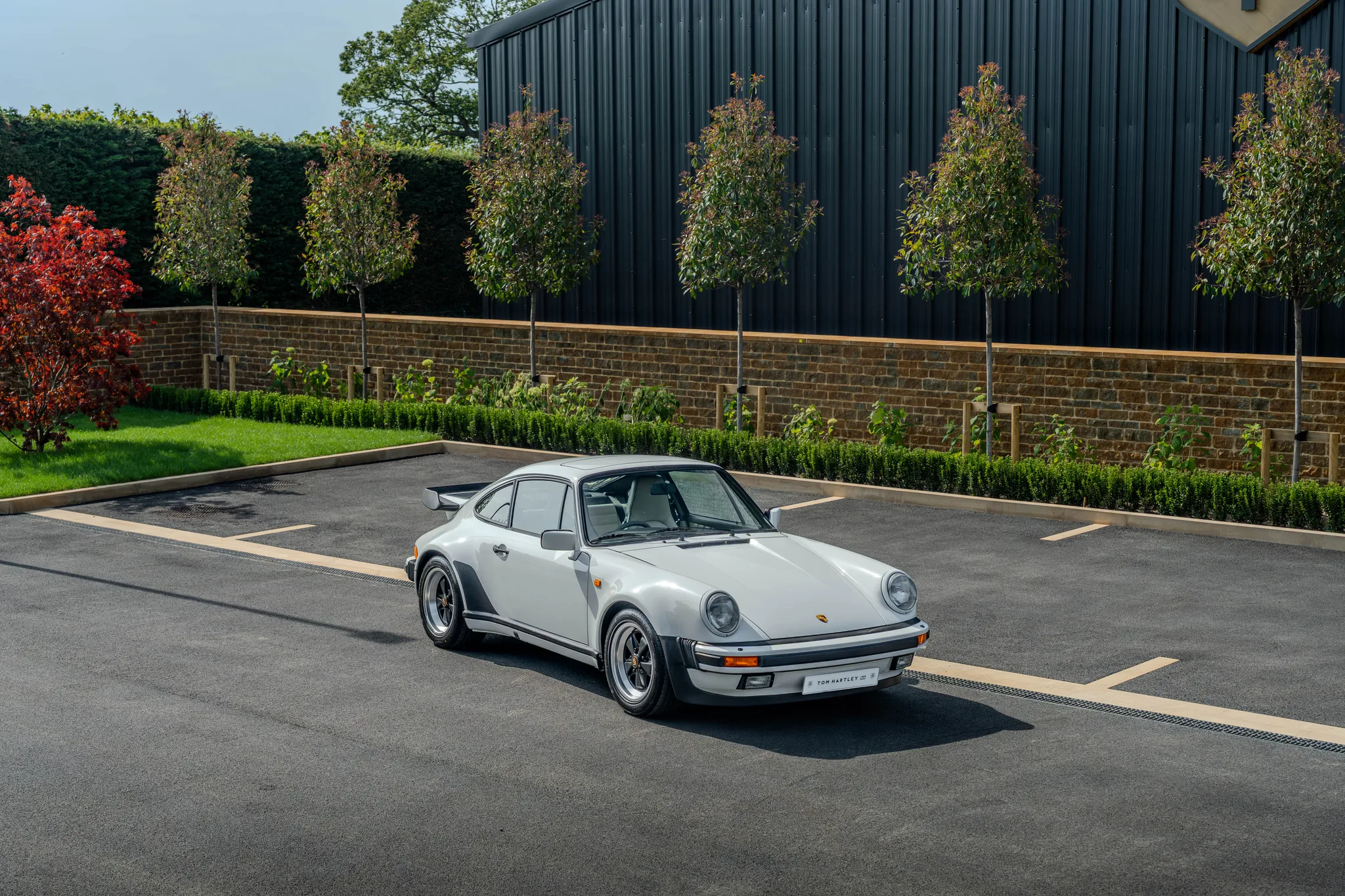 1 / 15
 Porsche
Coupé
£225,000
62,703 km Used
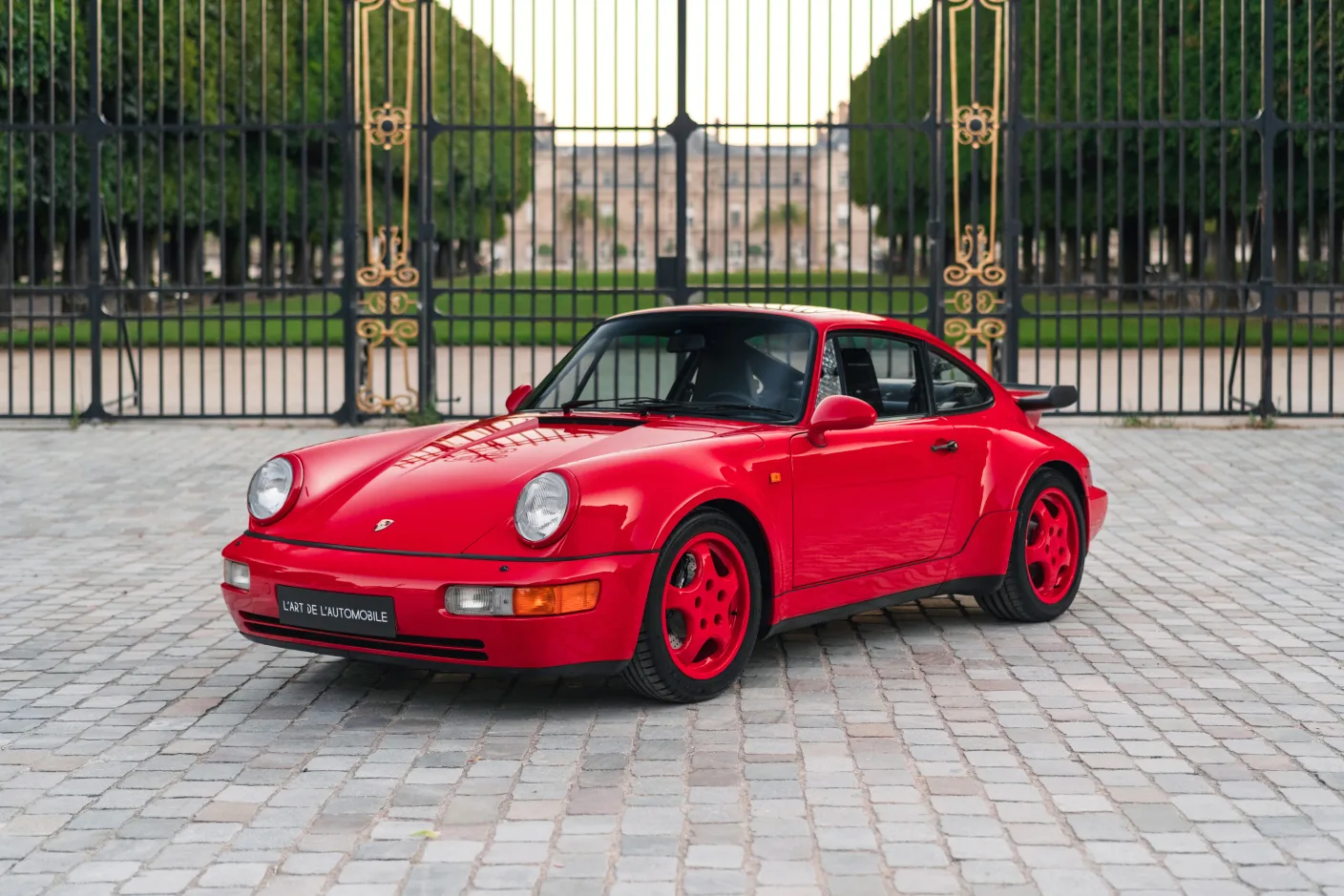 1 / 30
 Porsche
3.3 (964) · Coupé
€239,900
66,000 km  Used
Used
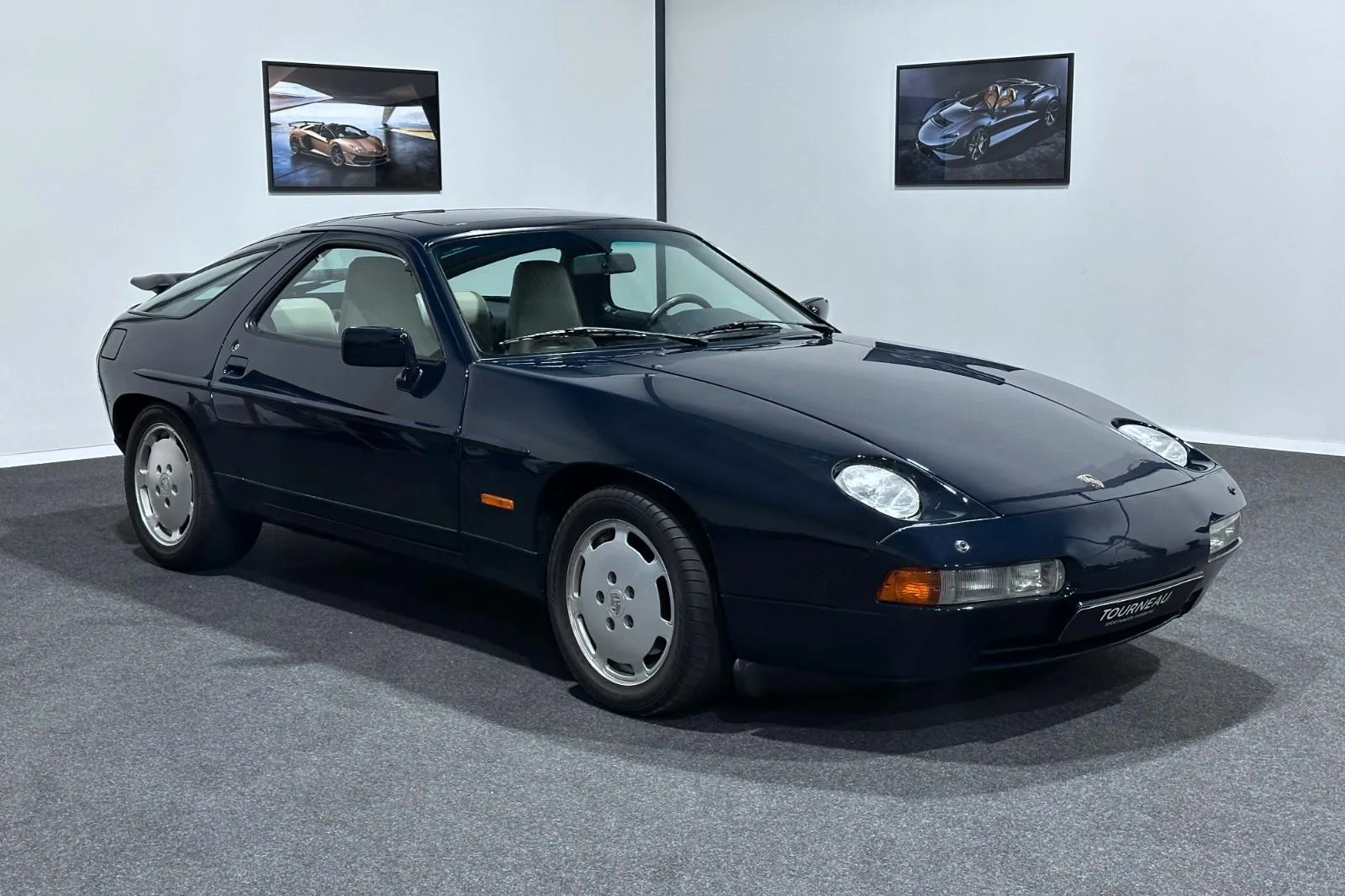 1 / 12
 Porsche
Coupé
€37,900
143,227 km Used
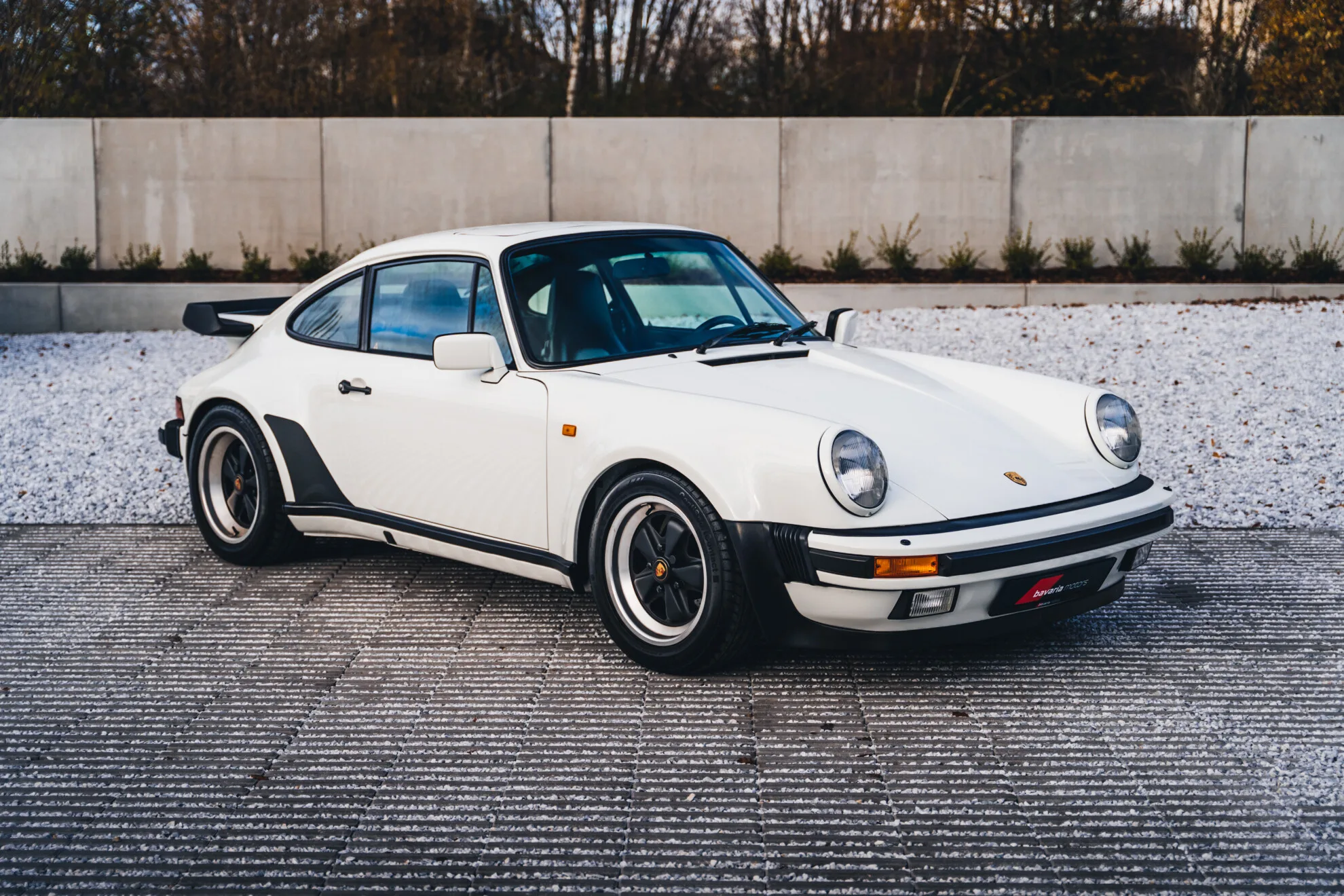 1 / 15
 Porsche
Coupé
€145,900
121,630 km  Used
Used
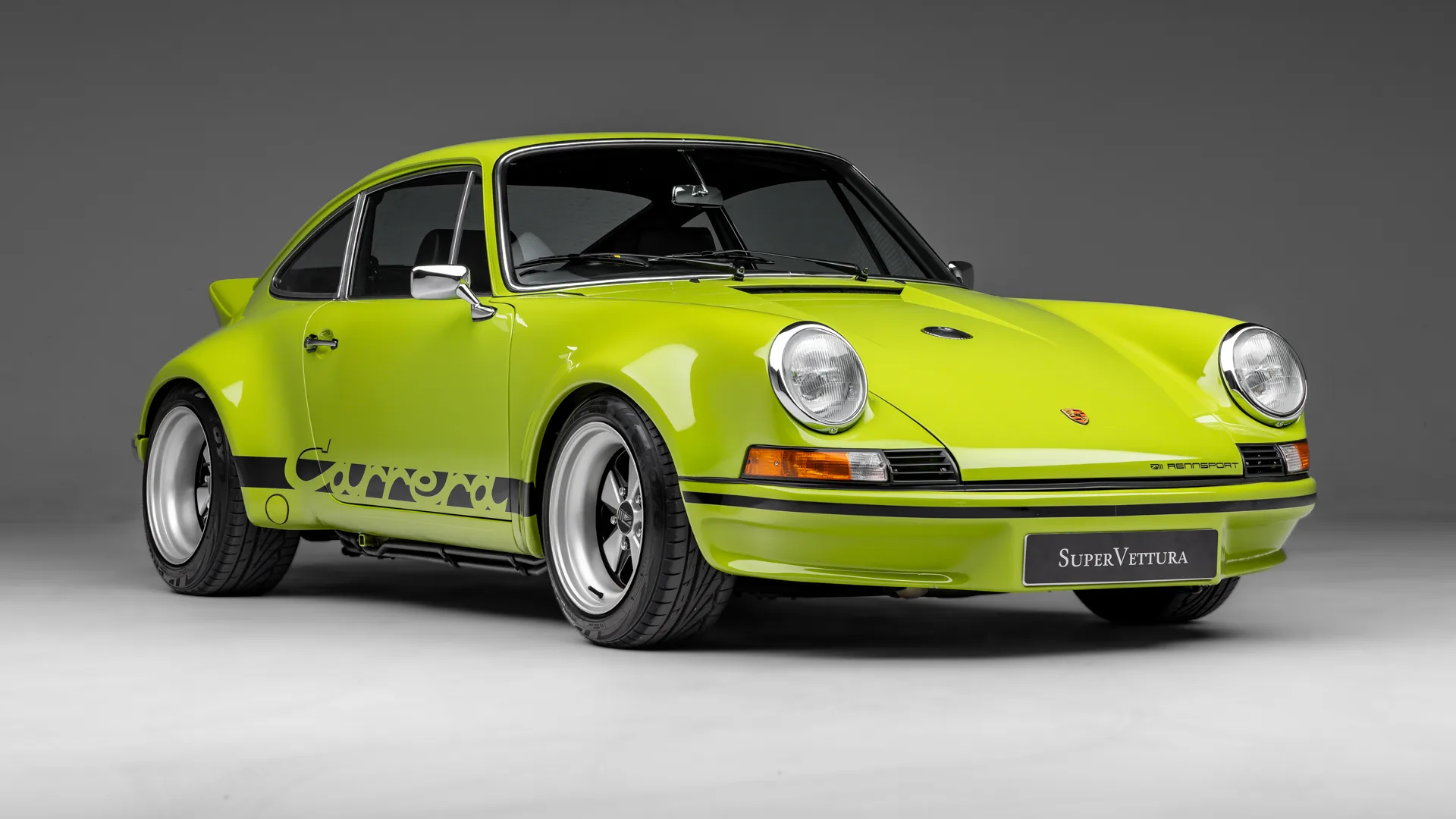 1 / 25
 Porsche
Rennsport RSR · Coupé
£330,000
5,311 km Used
 1 / 25
 Porsche
3.3 · Coupé
AED 1,400,000
107,904 km  Used
Used
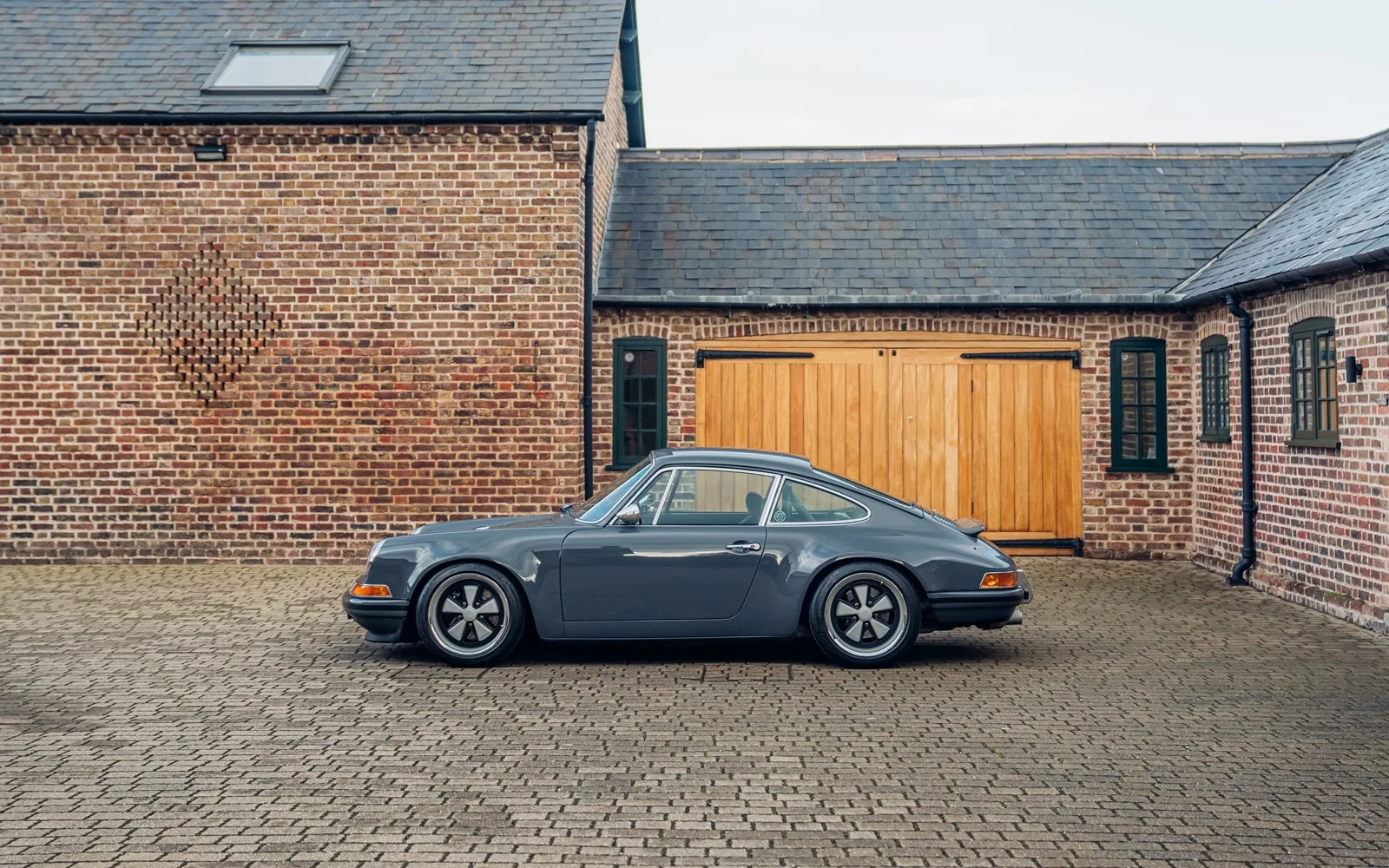 1 / 15
 Porsche
Coupé
Price on request
6,357 km Used
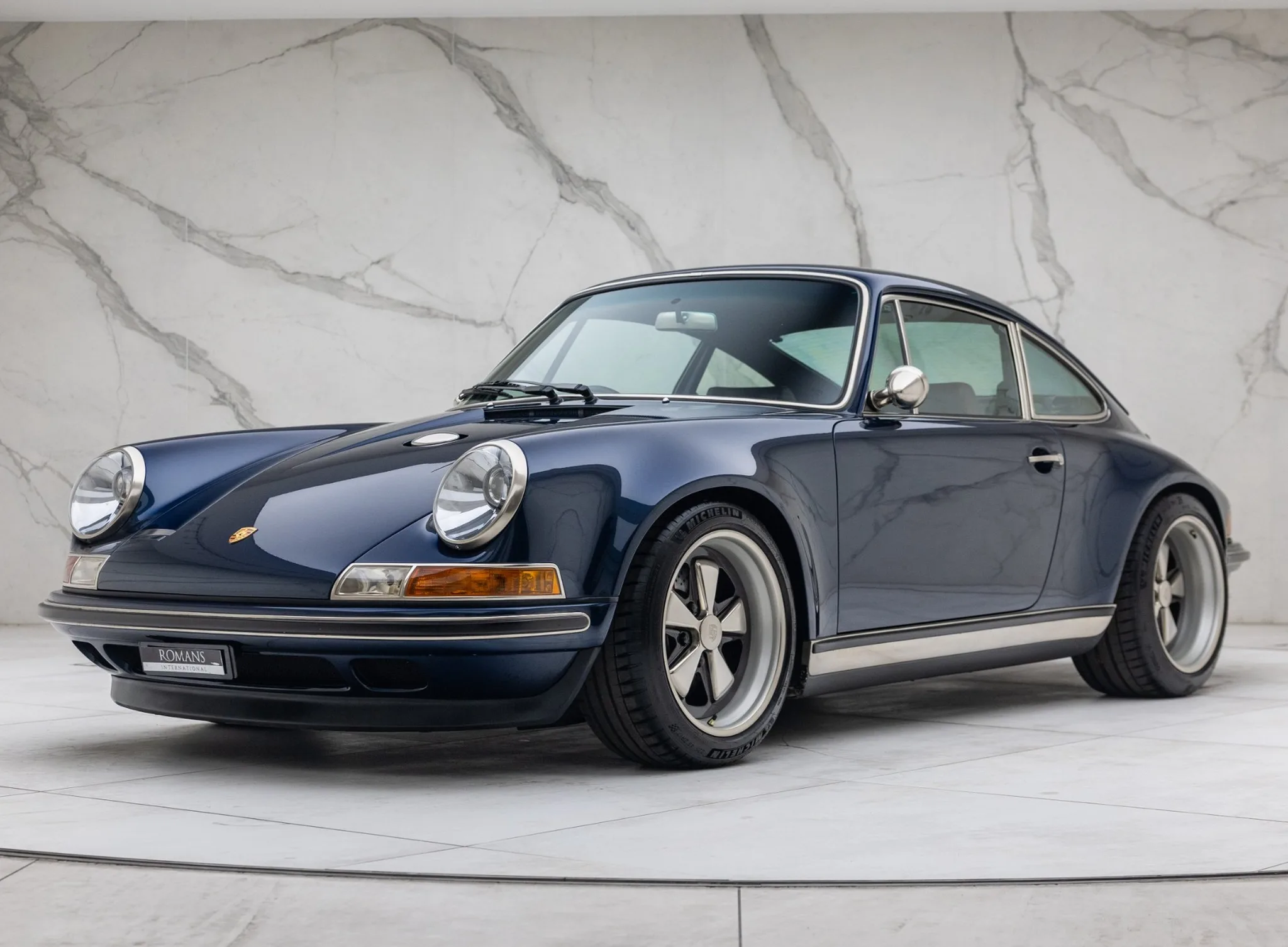 1 / 15
 Porsche
Coupé
Price on request
11,190 km Used
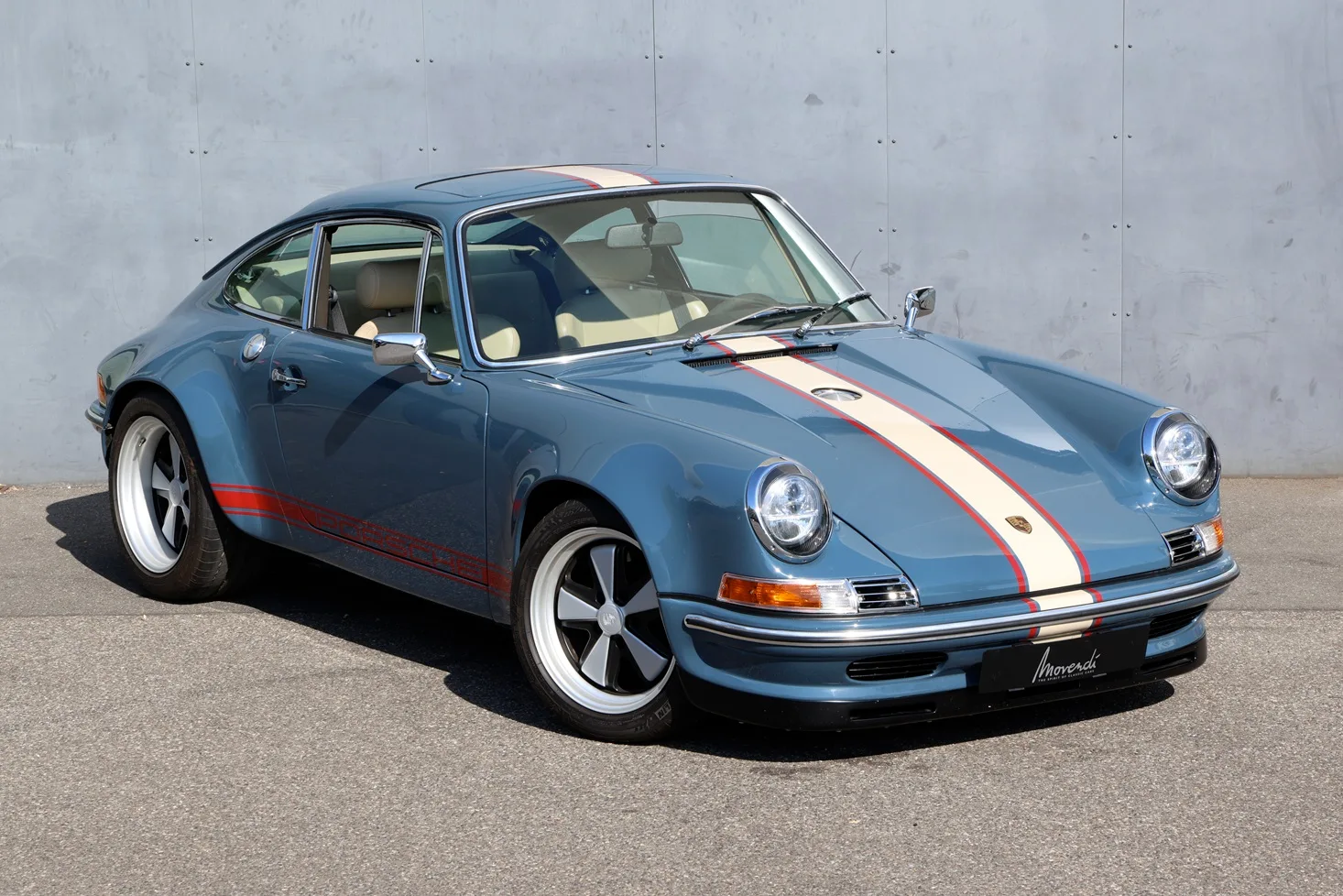 1 / 30
 Porsche
Backdate by Das Triebwerk · Coupé
€590,000
19,819 km Used
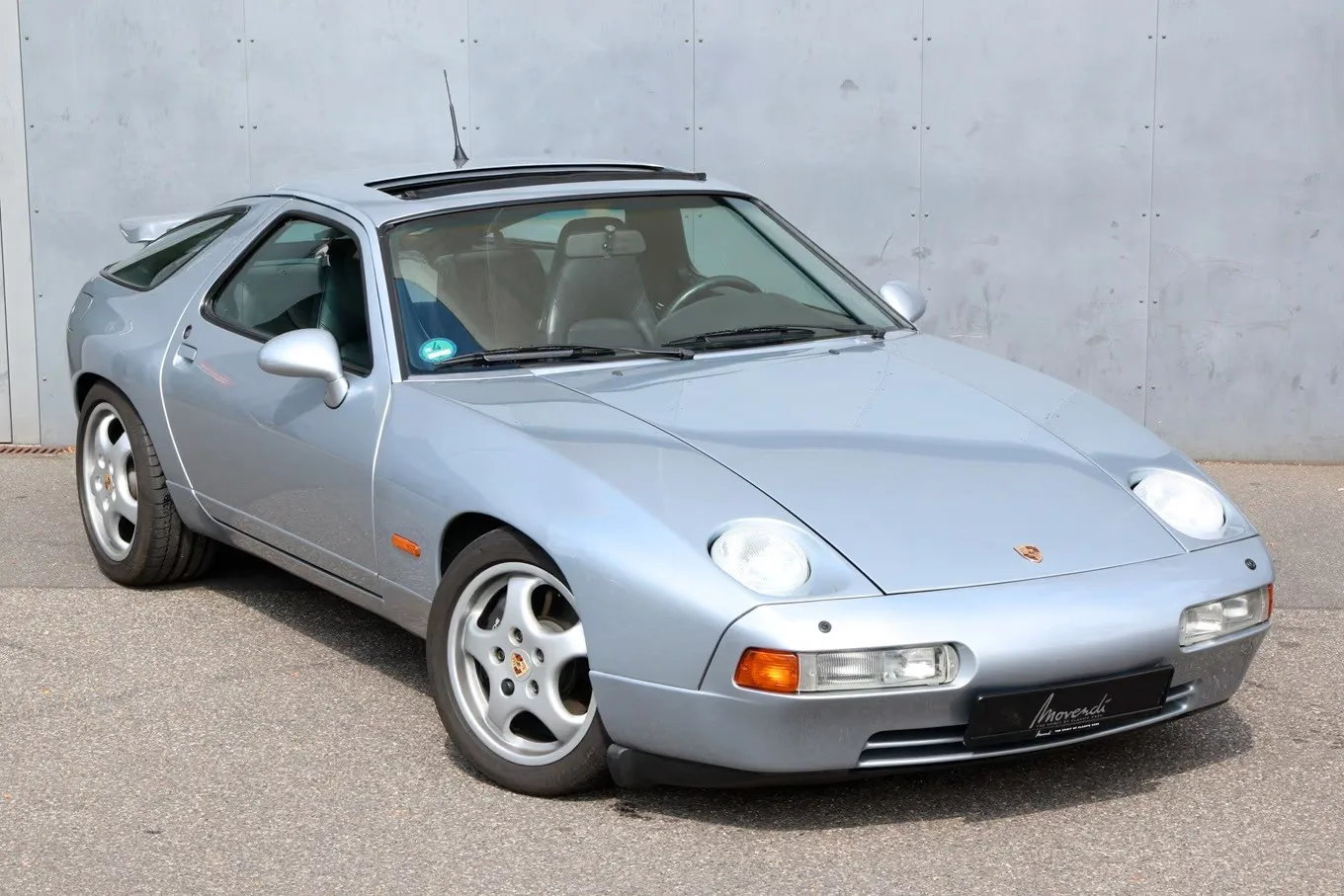 1 / 24
 Porsche
Coupé
€72,900
65,028 km Used
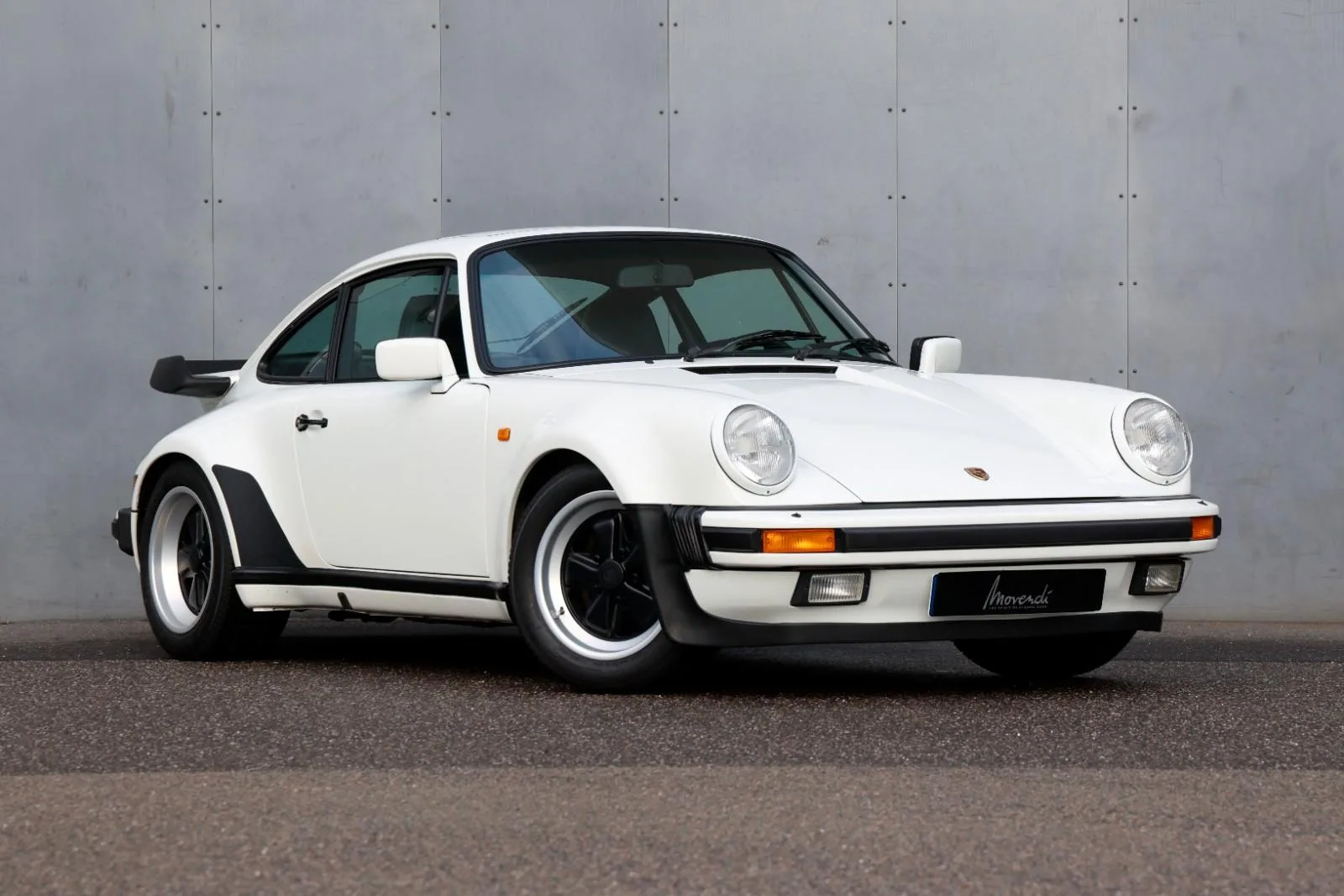 1 / 24
 Porsche
3.3 (930) · Coupé
€159,900
62,984 km Used
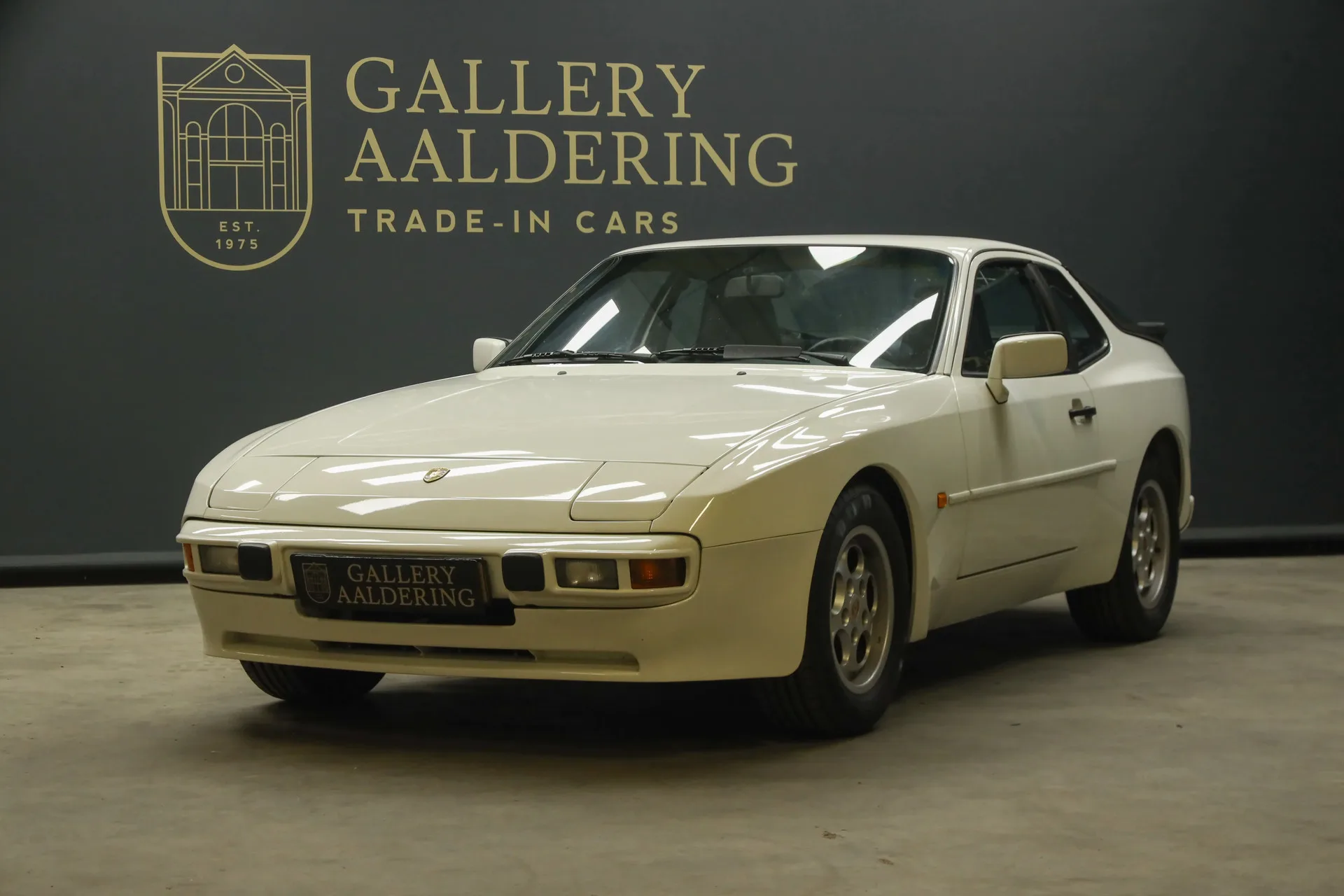 1 / 30
 Porsche
2.5 Coupé · Coupé
€19,950
275,103 km Used
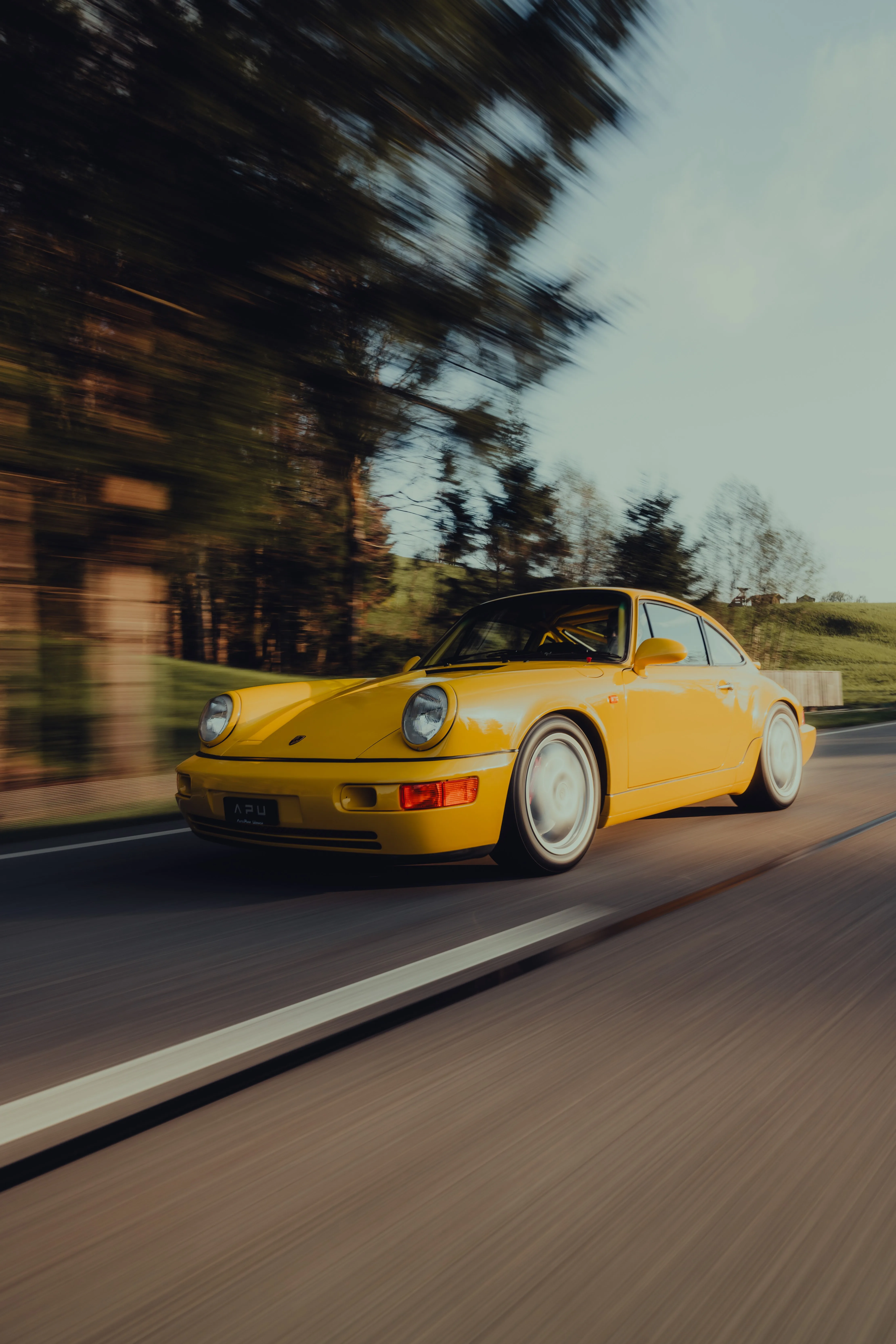 1 / 19
 Porsche
Coupé
CHF 319,964
63,499 km  Used
Used
 1 / 19
 Porsche
Coupé
AED 140,000
46,000 km Used
 Used
Used